UK Wedding Budget 2026: Costs, Breakdown & Planner

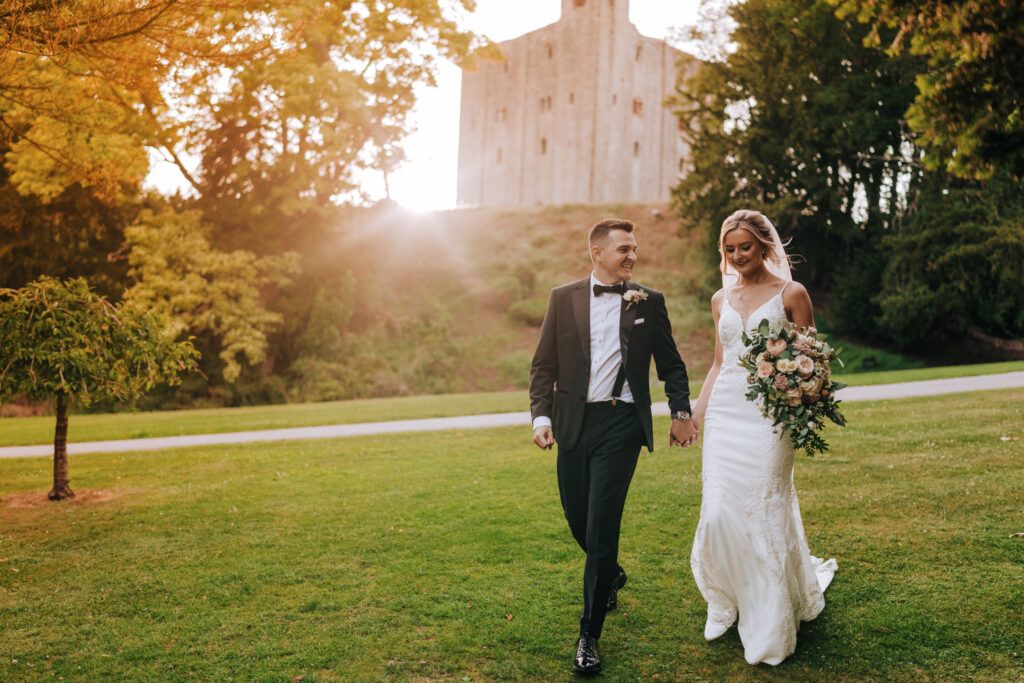
A bride laughing with her groom beneath her veil during a relaxed portrait
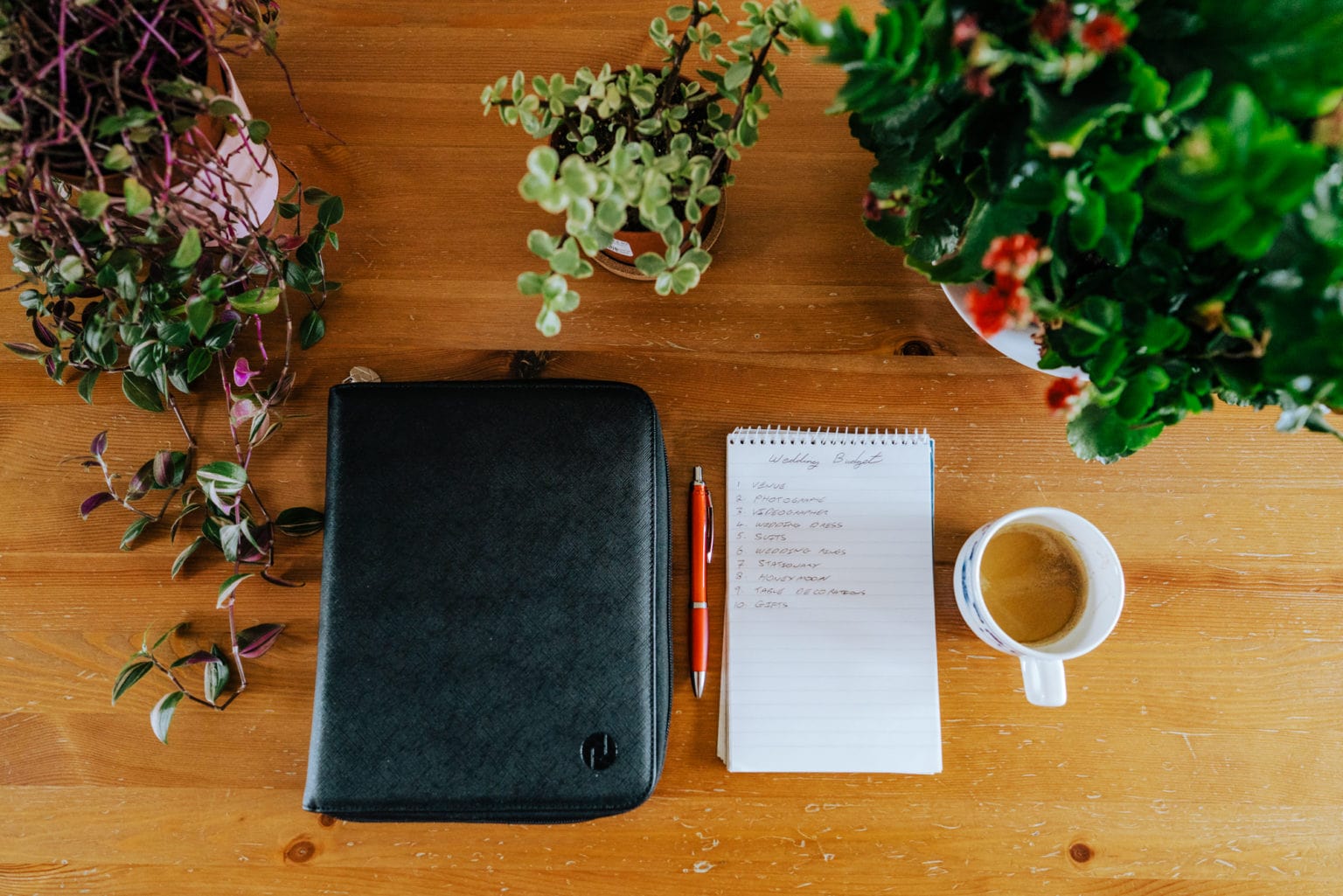
Wedding Budgets

What a UK wedding costs in 2026


The average UK wedding cost £20,604 in 2026, according to Bridebook’s 2026 UK Wedding Report, based on a survey of around 7,000 couples. Hitched’s 2026 Wedding Industry Report puts the figure at £21,990. Most couples spend between £10,000 and £30,000, and a quarter spend £10,000 or less.

Last updated 31 July 2026. I review this page every January, when Bridebook and Hitched publish new survey data.

I have photographed more than 200 weddings since 2015, across Sussex, Kent, Surrey and Hampshire. The question I get asked earliest, usually before anyone has even booked a venue, is some version of what all this is going to cost.

So here is the answer, with every figure sourced and dated. What couples actually spend, how that splits across categories, why your guest number matters more than any other decision, and a budget planner you can copy and start filling in today.

An intimate portrait of a bride and groom together at sunset
Free Download

The wedding budget planner


A Google Sheet built for UK couples, with the 2026 survey figures already in it. Open the link, choose Make a copy, and it is yours. No email address, no sign-up.

  • Around 140 line items across 15 categories, so nothing gets forgotten
  • Budget, actual cost and paid so far, with what is still owed worked out for you
  • Payment due dates, flagging anything overdue or falling due in the next 30 days
  • A guest cost calculator for catering, which is usually the biggest variable
  • A UK cost guide tab so you can sense-check your figures as you go
Open the planner

You will need a free Google account to save your own copy. The sheet runs best in Chrome.

What the averages do and do not tell you

The two national surveys disagree, and the gap is worth understanding rather than ignoring. Bridebook surveyed around 7,000 couples and reports £20,604 for the wedding day itself, excluding the engagement ring and the honeymoon. Hitched surveyed 2,020 newlyweds and reports £21,990, on a slightly broader definition of what counts as wedding spend. Neither is wrong. They are measuring marginally different things.

The more useful number is the spread. Bridebook’s 2026 data shows how widely couples actually spend:

  • A quarter of couples spend £10,000 or less
  • Four in ten spend between £10,001 and £25,999
  • A quarter spend £26,000 or more
  • One in ten spends over £35,000

Averages get pulled upwards by the couples at the top of that range. If your budget is £14,000, you are not behind. You are in the largest group there is. Treat the national figure as a benchmark for sense-checking, not a target to hit.

Guest count is the biggest lever you have

Guest numbers move a wedding budget further than any other single decision, because almost everything is priced per head. Bridebook’s 2026 figures show the effect plainly.

Source: Bridebook 2026 UK Wedding Report, survey of around 7,000 UK couples.
Day guestsAverage total spendCost per guest
50 guests£15,162£303
70 guests£21,791£311
100 guests£22,510£225
120 or more£26,000£217

Going from 50 day guests to 120 adds around £11,000 to the average wedding, according to Bridebook’s 2026 data. Hitched puts the figure for weddings of 101 guests or more at £35,591, nearly 40 per cent above its national average.

Note what happens to the per-head column. Smaller weddings cost more per guest, because couples spend more on each person rather than less overall. That is the trade most couples are actually making, and it is why guest numbers have been falling while budgets have held steady. Bridebook found that 41 per cent of receptions in 2026 host fewer than 60 guests, with the average ceremony at around 74.

Aerial view of a bride walking down the aisle with her father at an outdoor ceremony, guests watching from either side

Where the money goes

Bridebook’s 2026 report breaks the average budget down by category. Venue and catering take more than half of it before anything else is booked.

Figures cover the wedding day only and exclude the engagement ring and honeymoon. Percentage shares and average spends are drawn from the same report and will not sum exactly.
CategoryShare of budgetTypical spendSource
Venue hire and catering51%Venue £6,040, reception catering £5,406, evening food £2,002Bridebook 2026
Wedding attire19%Dress £1,532, menswear £859, accessories £449Bridebook 2026
Photography and videography10%Photographer £1,484, videographer £1,514Bridebook 2026
Flowers and décor7%Florist £1,187, décor and hire £1,404Bridebook 2026
Entertainment7%Reception music £1,061, ceremony music £845, other entertainment £844Bridebook 2026
Other suppliers and extras6%Rings £1,057, transport £593, stationery £378, cake £360Bridebook 2026

Two things sit outside that table. The engagement ring and the honeymoon are usually budgeted separately, and Bridebook’s most recent published figures for those are from its 2025 report, at £2,158 and £4,608 respectively. If you want a single all-in number, add roughly £6,000 to whatever total you land on.

On photography, the average UK wedding photographer charged £1,484 in 2026. My own coverage starts at £1,797, which buys the full day rather than a fixed block of hours, so it is not quite comparing like with like. Prices in this category vary more than almost any other, and if you want the reasoning rather than just the number, I have written a separate guide on what wedding photography actually costs and why prices vary so much.

A bride and groom photographed through foliage and flowers, the groom in navy military uniform

Regional differences, and what they mean in the South East

Where you marry changes the total considerably. Both 2026 surveys agree on the ranking, if not the exact figures.

Sources: Bridebook 2026 UK Wedding Report and Hitched 2026 Wedding Industry Report. The two surveys use slightly different definitions of total wedding spend.
RegionBridebook 2026Hitched 2026
London£26,986£24,622
South East England£22,637£23,589
UK average£20,604£21,990

There is a detail here that is easy to miss, and it matters if you are marrying in Sussex, Kent, Surrey or Hampshire. Bridebook found that London suppliers charge around 30 per cent above the national average, while South East England suppliers sit at roughly 1 per cent above it. In other words, South East wedding totals run high mainly because of guest numbers and venue choice, not because the suppliers themselves cost meaningfully more than they do elsewhere in the country.

That is useful, because it means the levers that bring a South East budget down are the ones you control. Guest list, date, and which venue you sign with. Hunting for cheaper suppliers is unlikely to be where the saving is.

A groom dipping his bride on a bridge, both in Indian wedding attire

How to build your budget

Six steps, in this order. The order is the important part, because most budgets go wrong when a venue gets booked before a total has been agreed.

  1. Agree the total first, including anything gifted. Hitched found that 61 per cent of UK couples received money from family towards their wedding, rising to 68 per cent among Gen Z couples. Have that conversation early, and come away with a number rather than a promise.
  2. Fix your guest number next. Nearly everything downstream is priced per head, so this is the decision that sets the size of every other line.
  3. Price venue and catering against your total. Half your money goes here. Walk into viewings with a figure you have already set, and ask what is included before you ask what it costs.
  4. Choose three things that matter most to you. Fund those properly and let the rest be ordinary. Nobody has an unlimited budget, so the choice is whether you make the trade deliberately or by accident.
  5. Hold back 5 to 10 per cent. Hitched found that 56 per cent of couples overspent their original budget, 32 per cent stayed on it, and just 6 per cent came in under. Contingency is not pessimism, it is arithmetic.
  6. Put every quote in one place. A budget that lives across three inboxes and a notes app is not a budget. That is what the planner above is for.

Where couples overspend

The headline number is clear enough. Hitched’s 2026 report found that 56 per cent of couples overspent their original wedding budget, while only 6 per cent came in under it.

There is no reliable national survey showing which categories couples overrun on, so I am not going to pretend otherwise. What follows is my own observation from more than 200 weddings, not a statistic.

The evening guest list is the one I see most often. Evening guests feel like a cheap addition when you are drawing up the list, but evening food and a bar tab for another hundred people is rarely cheap by the time the invoice arrives.

After that, it tends to be the small charges nobody budgeted for. Supplier meals, which most venues charge for. Corkage if you bring your own wine. Cake cutting fees. VAT on a quote that was given excluding it. None of these are large on their own, and together they routinely add several hundred pounds to a total that was already tight.

Flowers are the category where costs escalate quietly, because the decisions are visual and emotional rather than numerical. Out of season blooms and large installations cost multiples of the seasonal equivalent, and it is worth asking your florist for both prices before you decide.

As for where couples wish they had spent more, I am the last person who should be handing out advice on that, so I will leave it alone. Rank your own three priorities and fund those. It is your money and your day.

Keeping track as you go

Setting a budget takes an afternoon. Keeping one takes eighteen months, and that is the part where most of them quietly fall apart. A few things that help.

  • Record deposits and balances separately. Deposits get paid early and forgotten. Balances have a habit of all falling due in the same fortnight, usually the one before the wedding.
  • Log the due date, not just the amount. Knowing what you owe is less useful than knowing when you owe it.
  • Always ask whether a quote includes VAT. Twenty per cent on a catering bill is not a rounding error.
  • Update it monthly, not when something goes wrong. Fifteen minutes on the first Sunday of the month is enough.
  • Keep one version. One shared sheet that both of you can see beats two people each half-remembering different numbers.
A groom dipping his bride beneath a gazebo at twilight
Free Download

Take the planner with you


Everything on this page, in a sheet you can actually fill in. Around 140 line items, a dashboard that totals itself, a guest cost calculator and the 2026 UK figures built in for sense-checking as you go.

Open the planner

Free, no email needed. Choose Make a copy and it is yours to keep.

Common Questions

Wedding budget questions


How much does a wedding cost in the UK in 2026?

The average UK wedding cost £20,604 in 2026 according to Bridebook, and £21,990 according to Hitched. Bridebook’s figure covers the wedding day only and excludes the engagement ring and honeymoon.

How much should I budget per guest?

Bridebook puts the 2026 average at around £278 per guest, and Hitched at £272, up 4 per cent on the £261 recorded in 2024. Smaller weddings tend to cost more per head, around £303 at 50 guests against £217 at 120 or more.

Is the South East more expensive than the rest of the UK?

Yes, but less than the totals suggest. Bridebook puts the South East average at £22,637 against a national £20,604, while South East supplier prices sit only around 1 per cent above the national average. The difference is driven mostly by guest numbers and venue choice.

How much contingency should I build in?

Between 5 and 10 per cent of your total. Hitched found that 56 per cent of couples overspent their original budget in 2026, while only 6 per cent came in under it.

When is the cheapest time of year to get married?

January, February and October are the cheapest months according to Bridebook’s 2026 data, with January averaging £11,000 against £23,809 in June. Weekday weddings are also growing, and fewer than half of UK weddings now take place on a Saturday.

Explore more Planning Tips from my blog