Wedding Ceremony Photography

The ceremony is the emotional centre of your wedding day. It is the one part that cannot be repeated, paused, or reshaped.

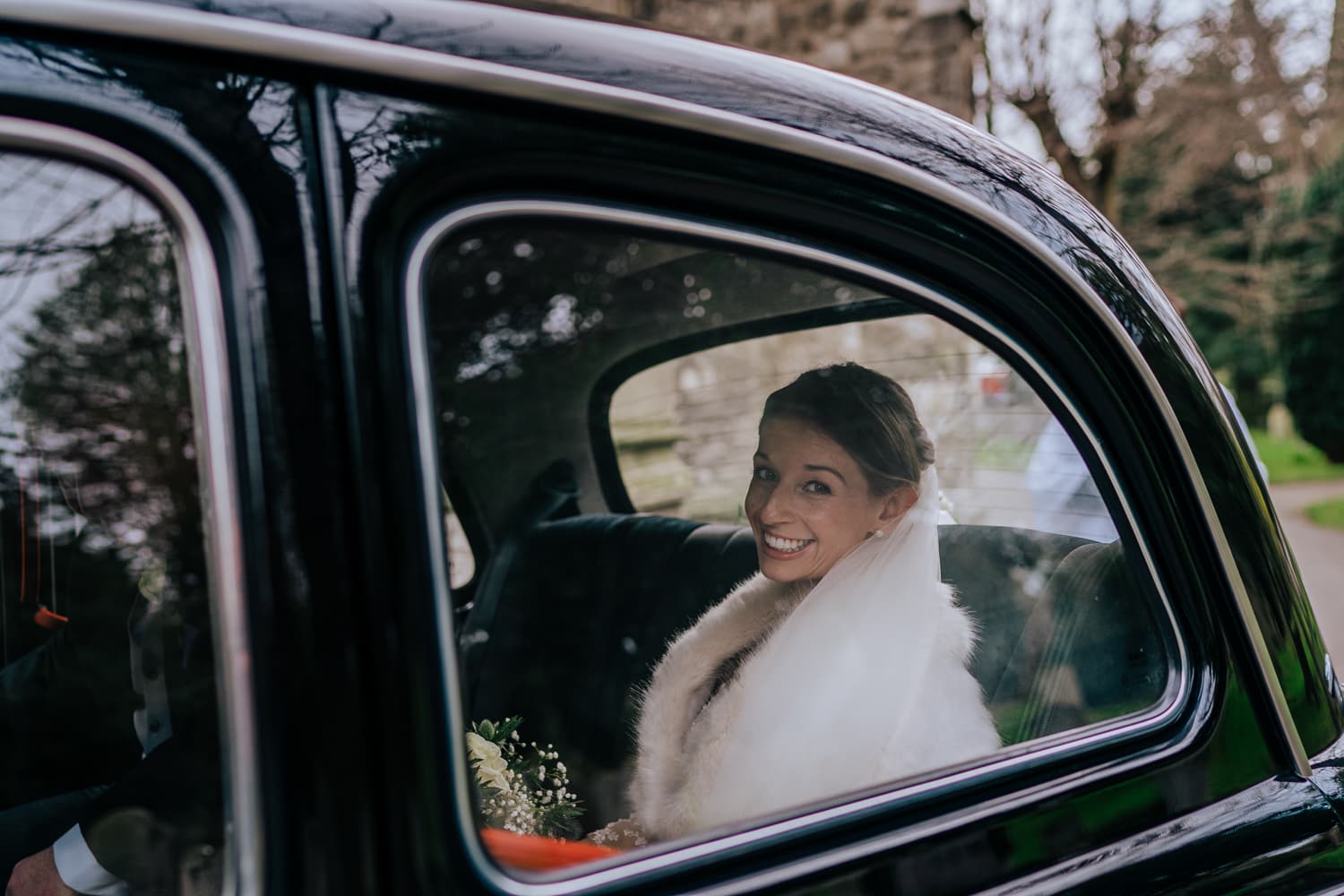
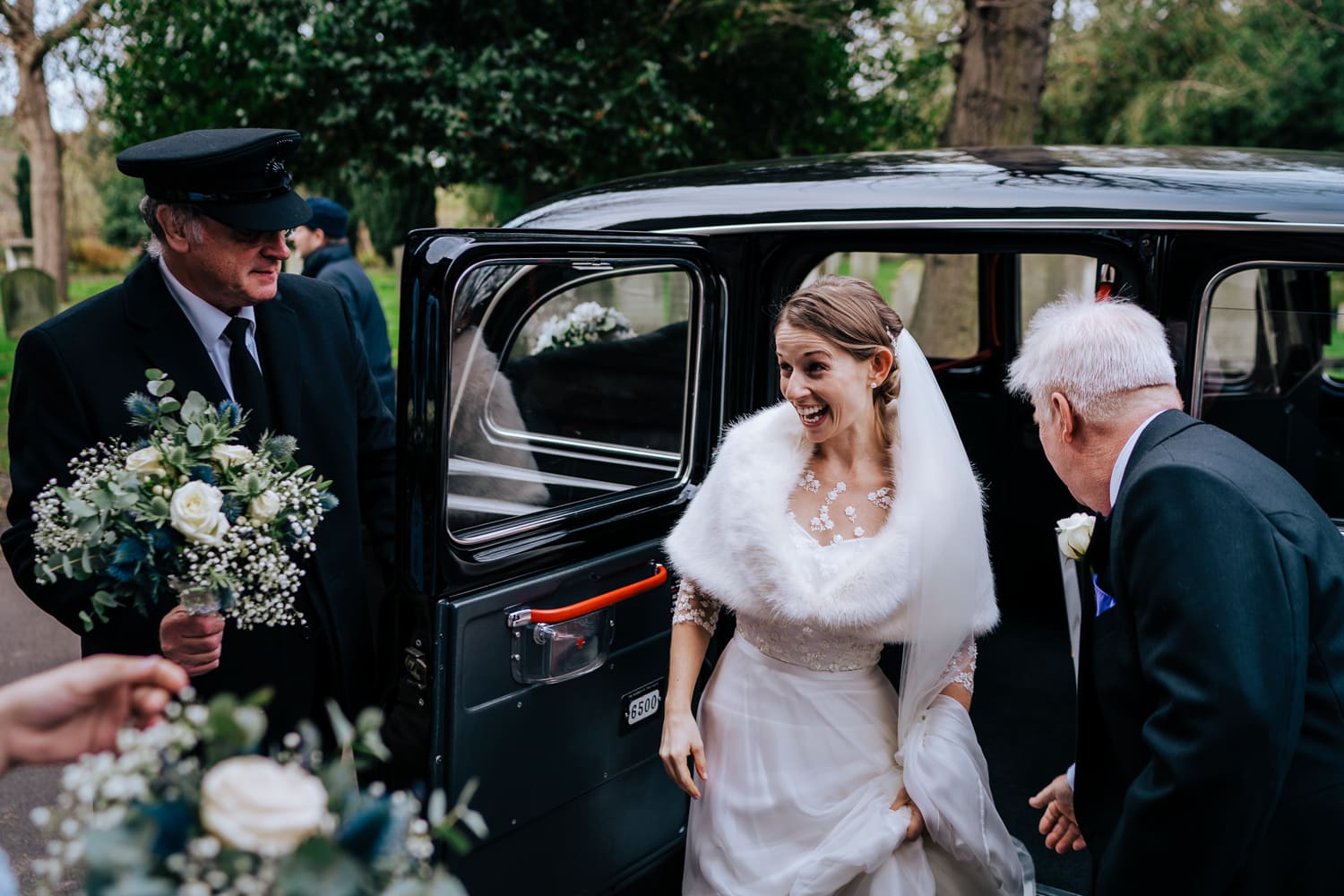
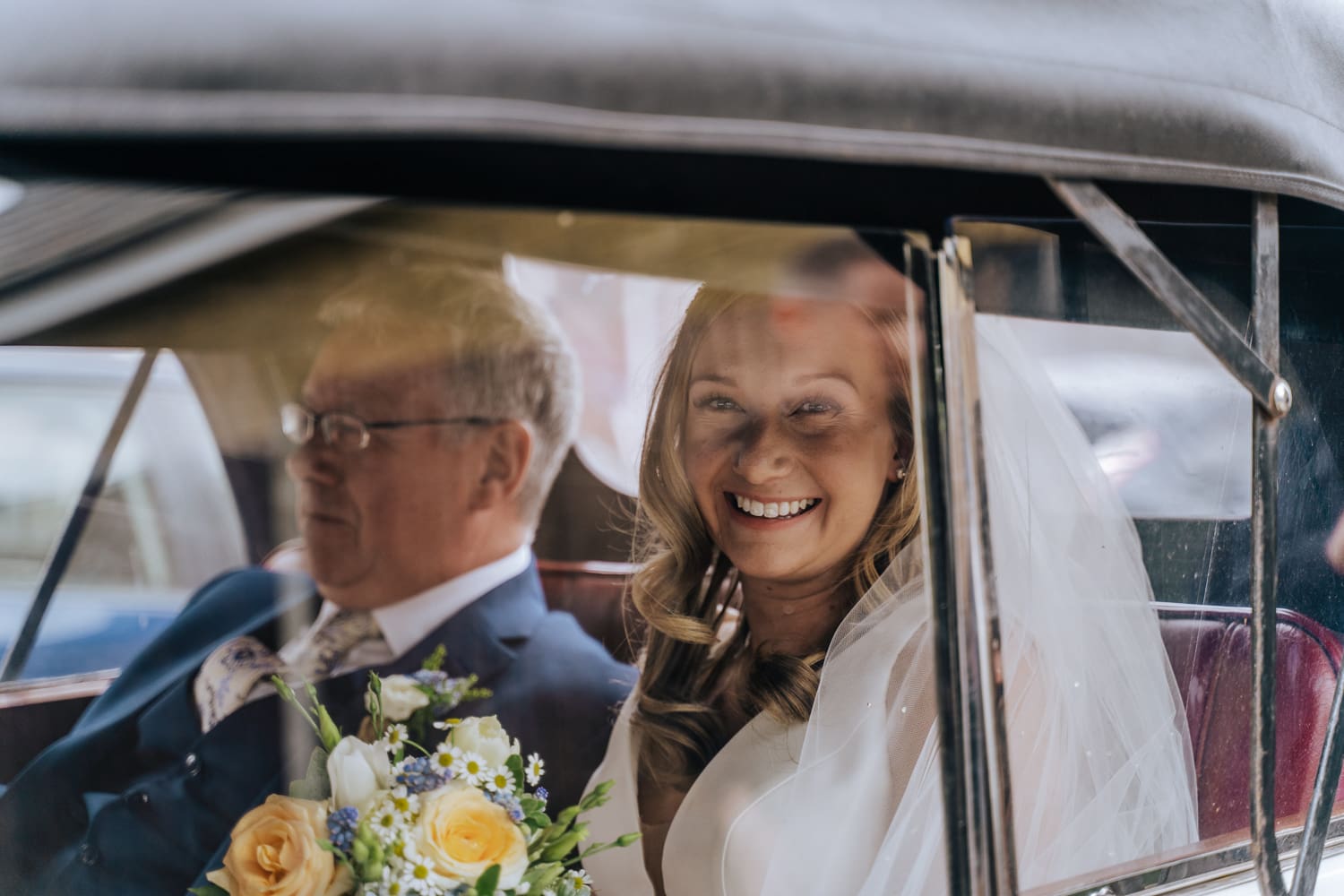
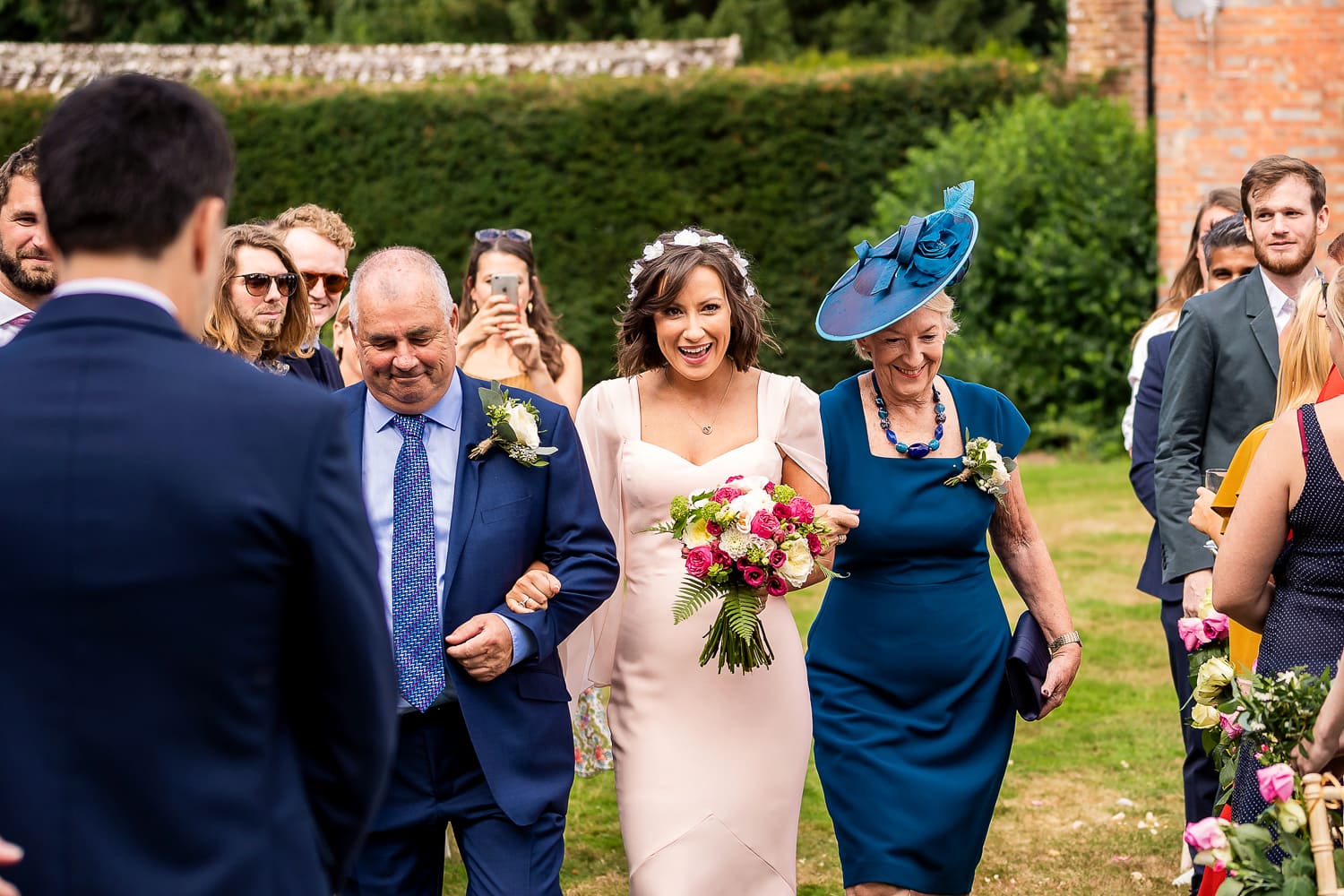
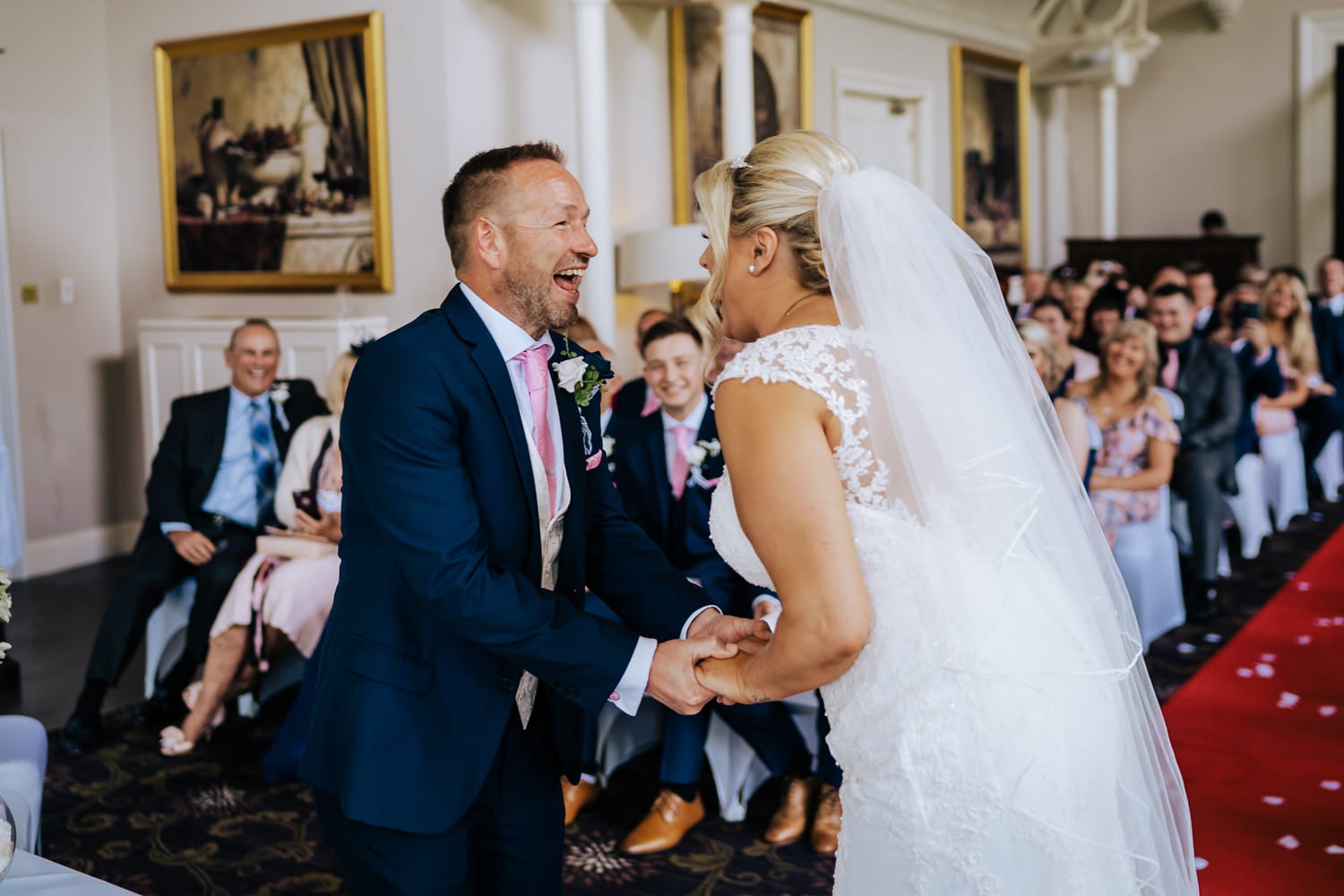
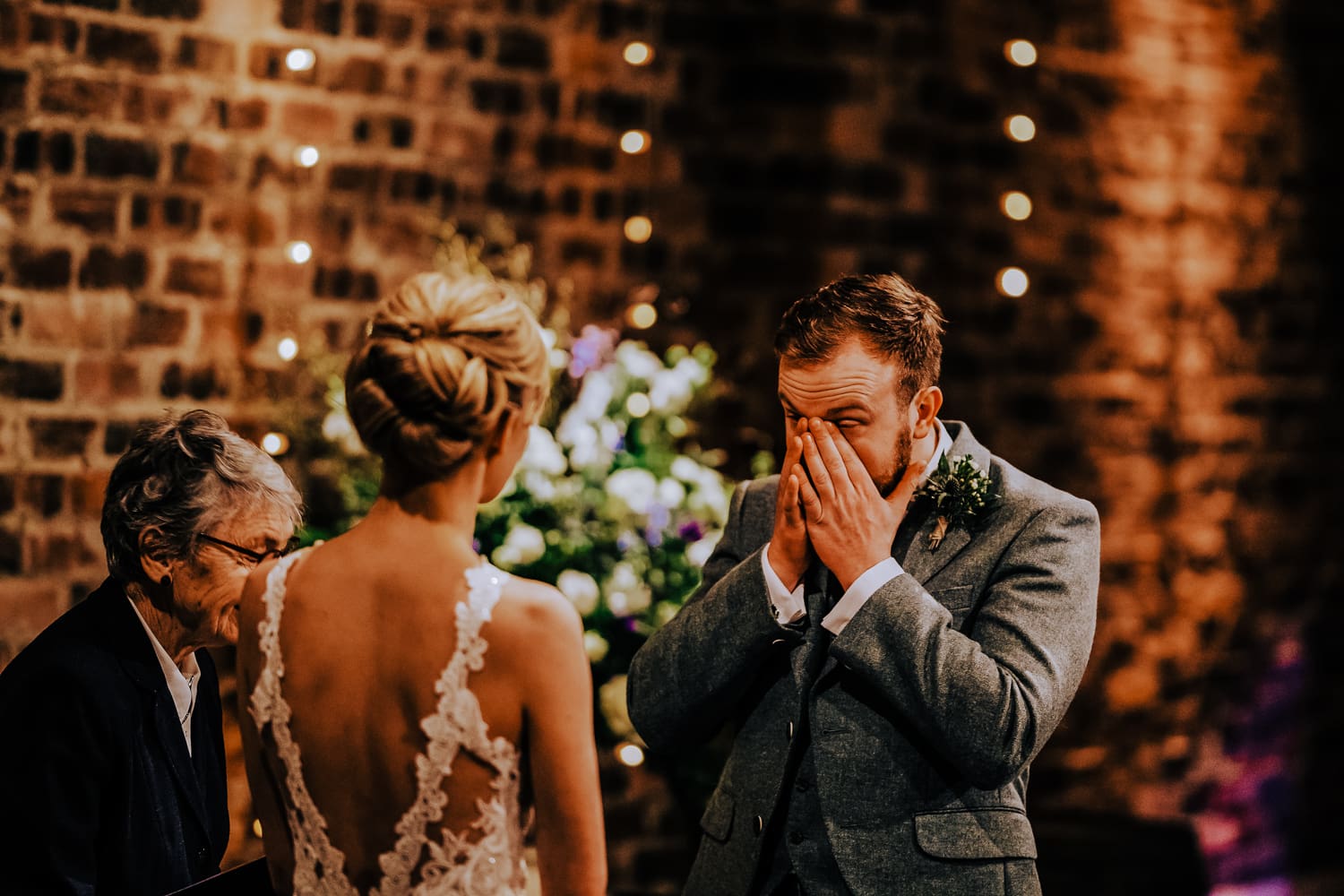
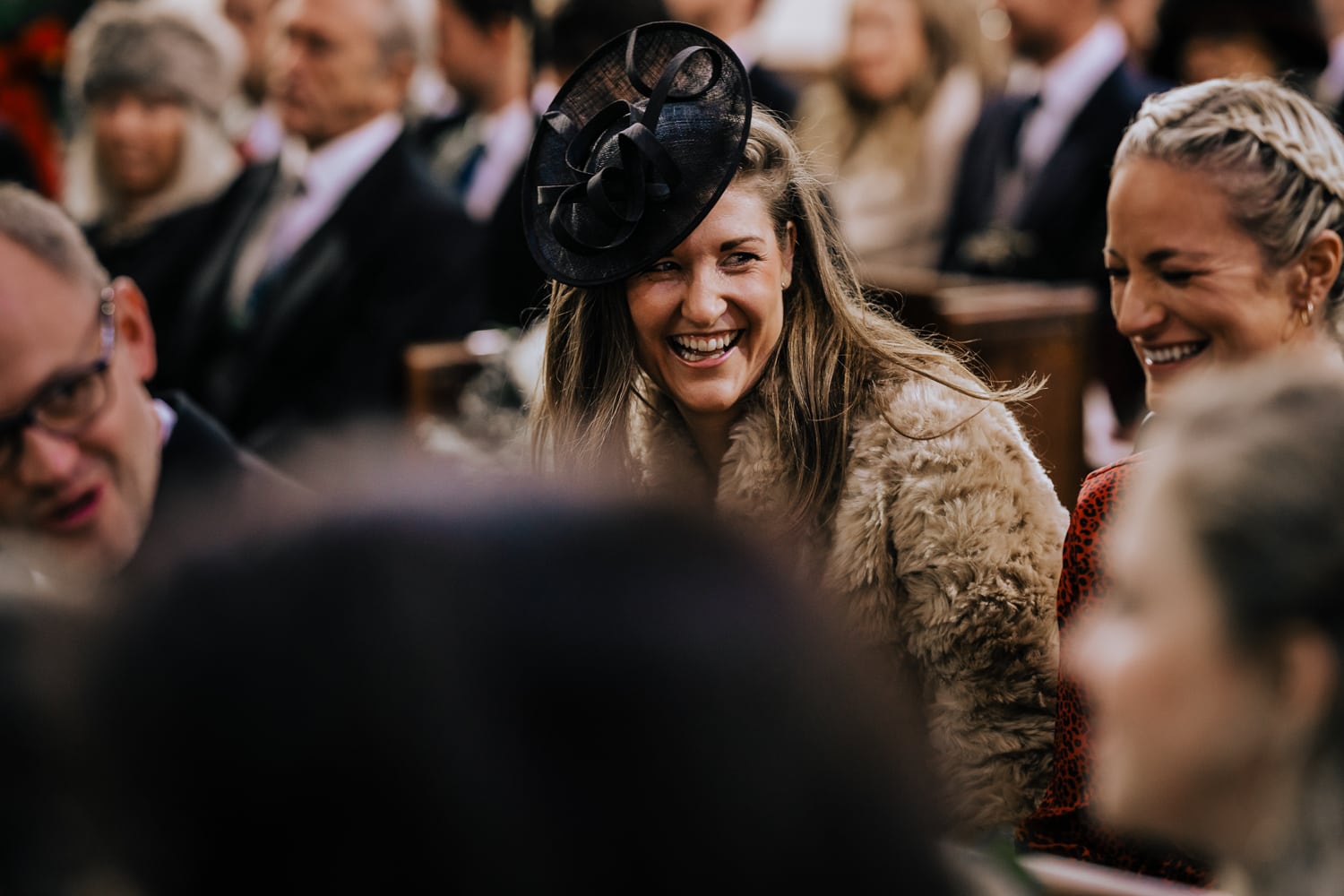
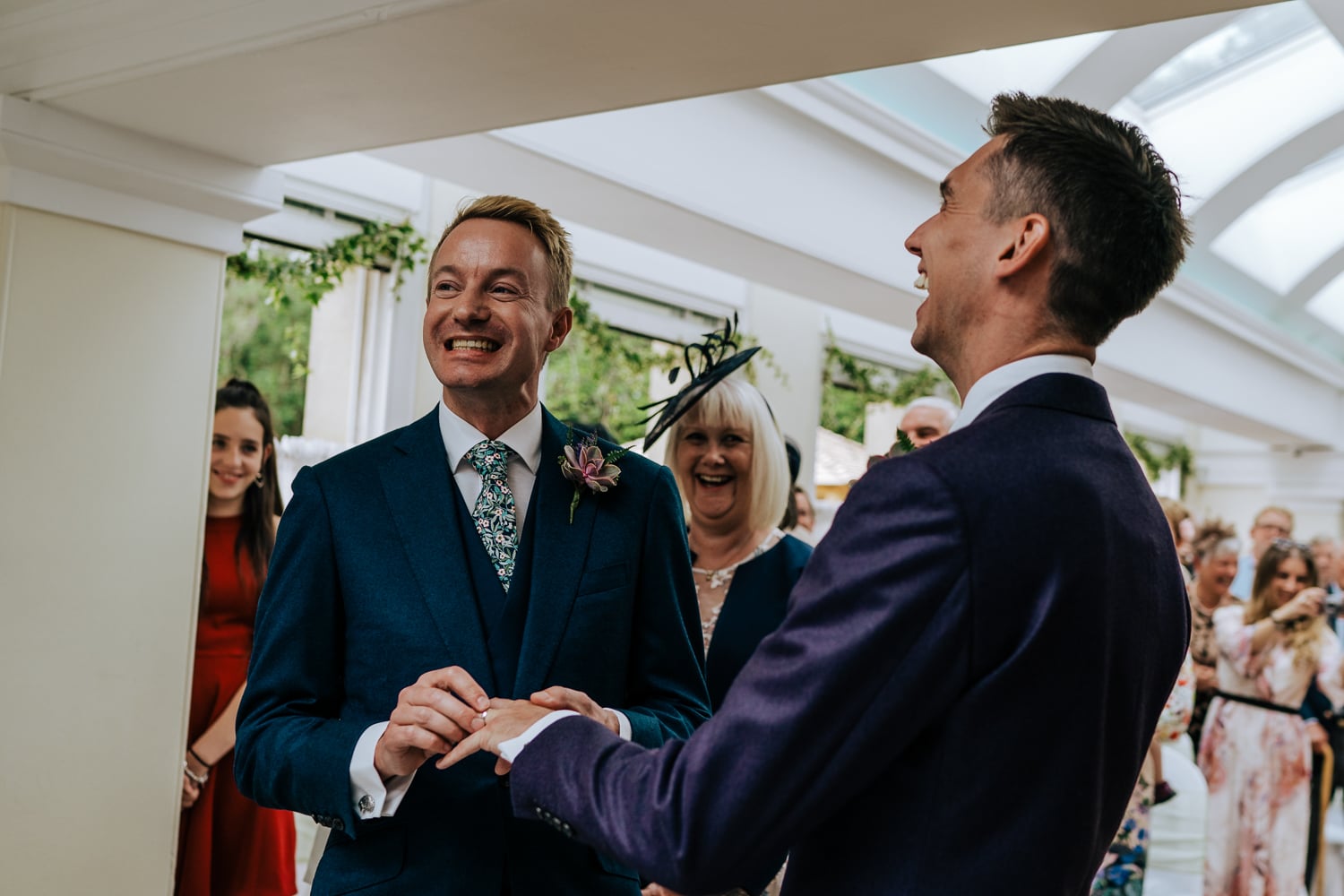
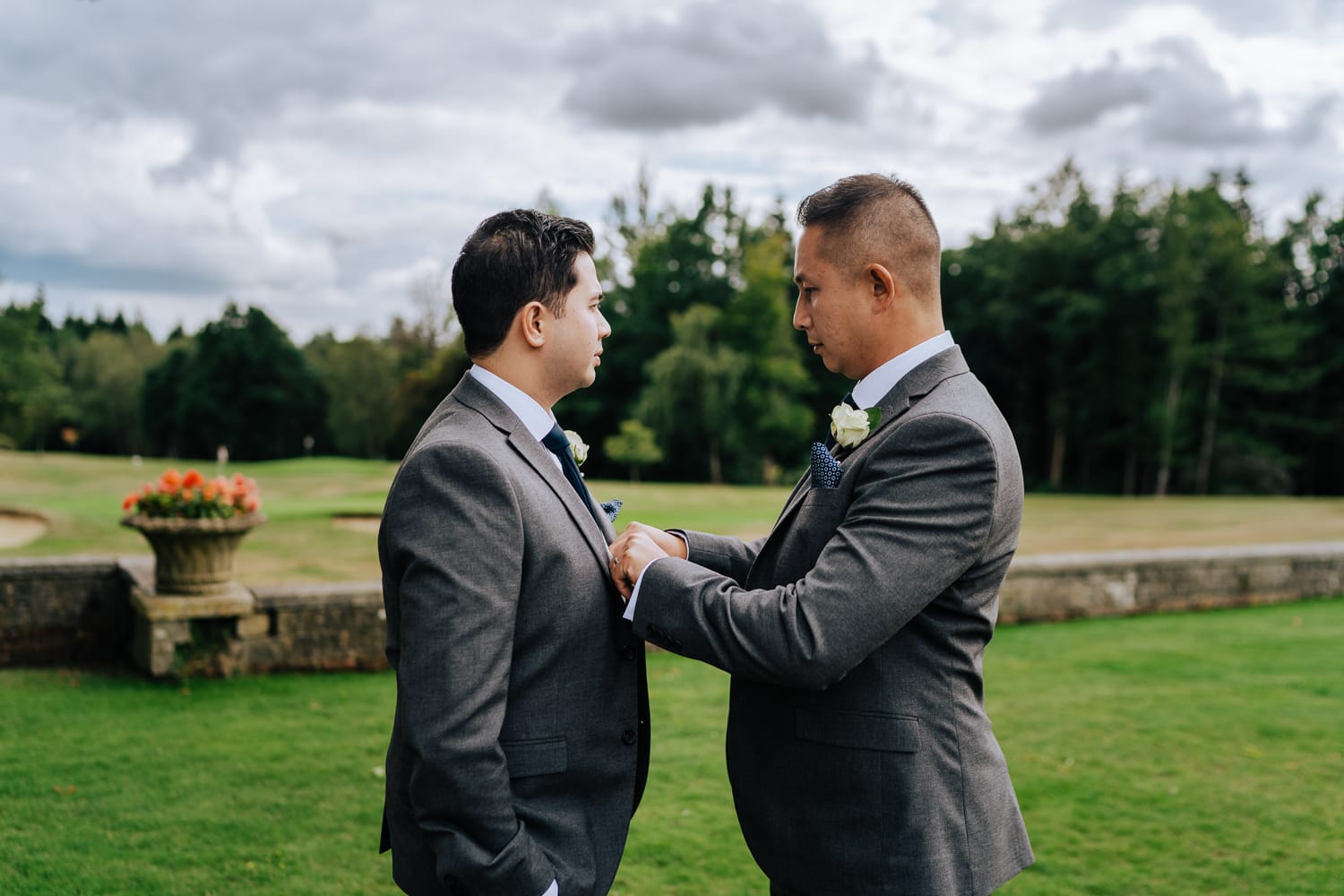
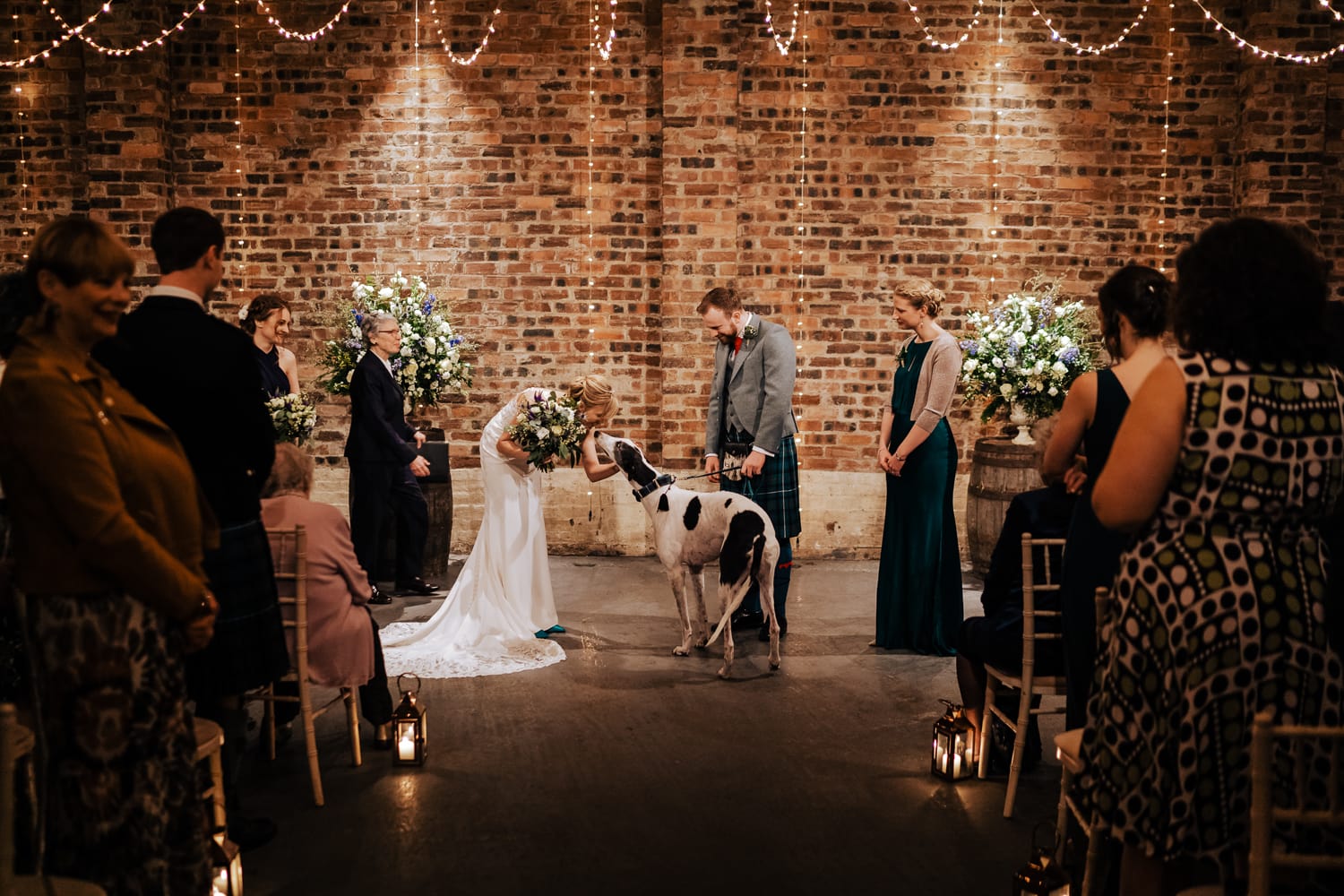
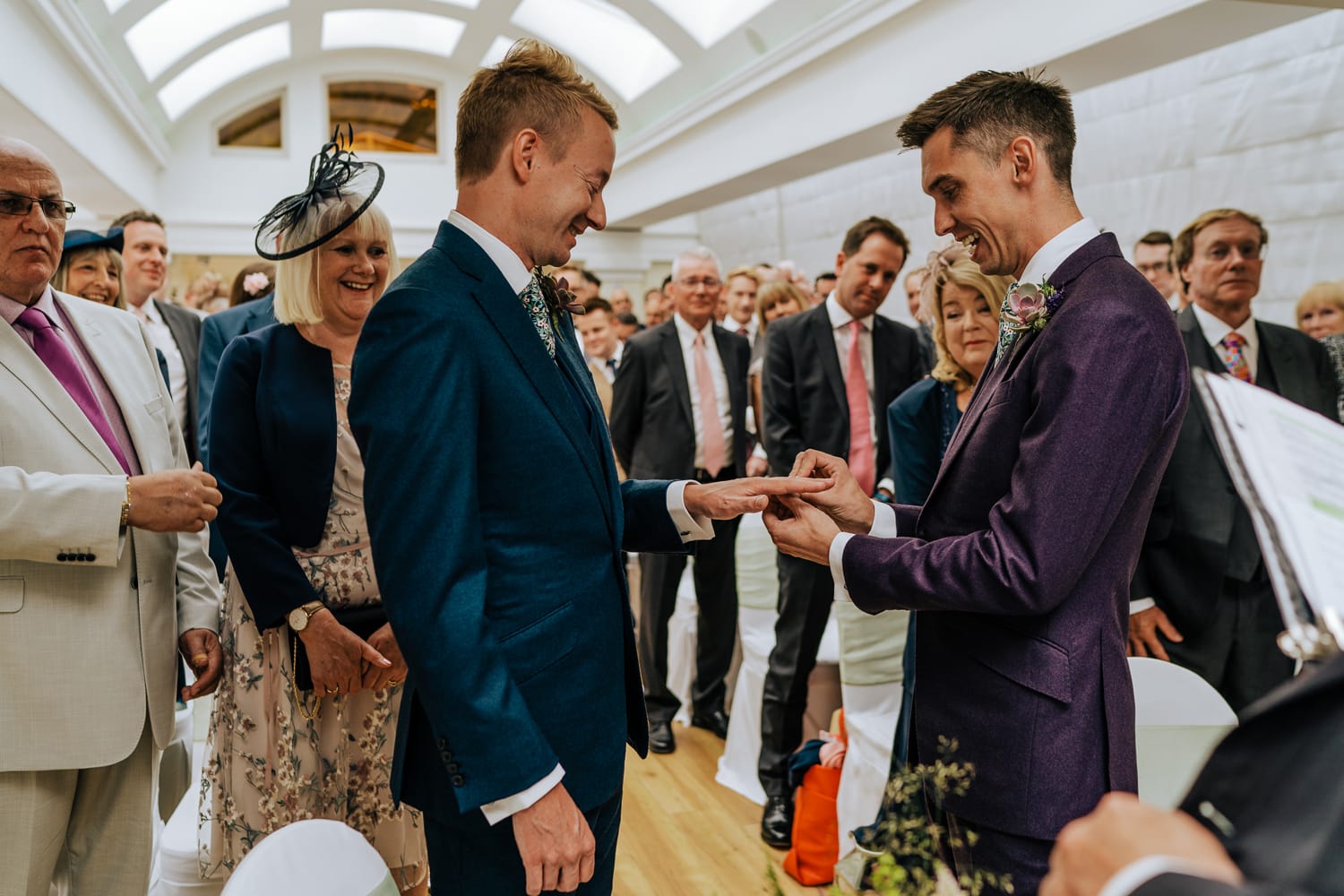
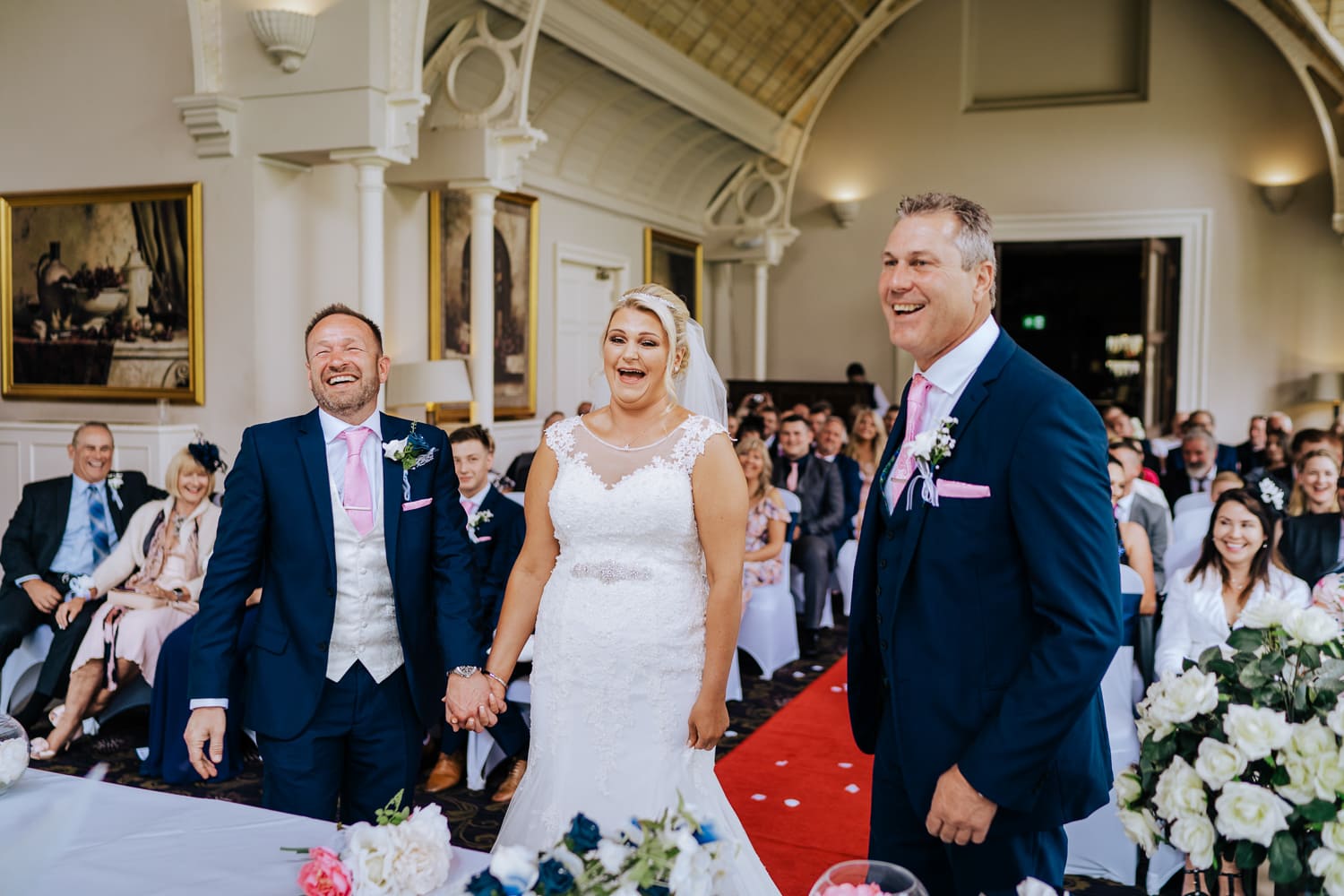
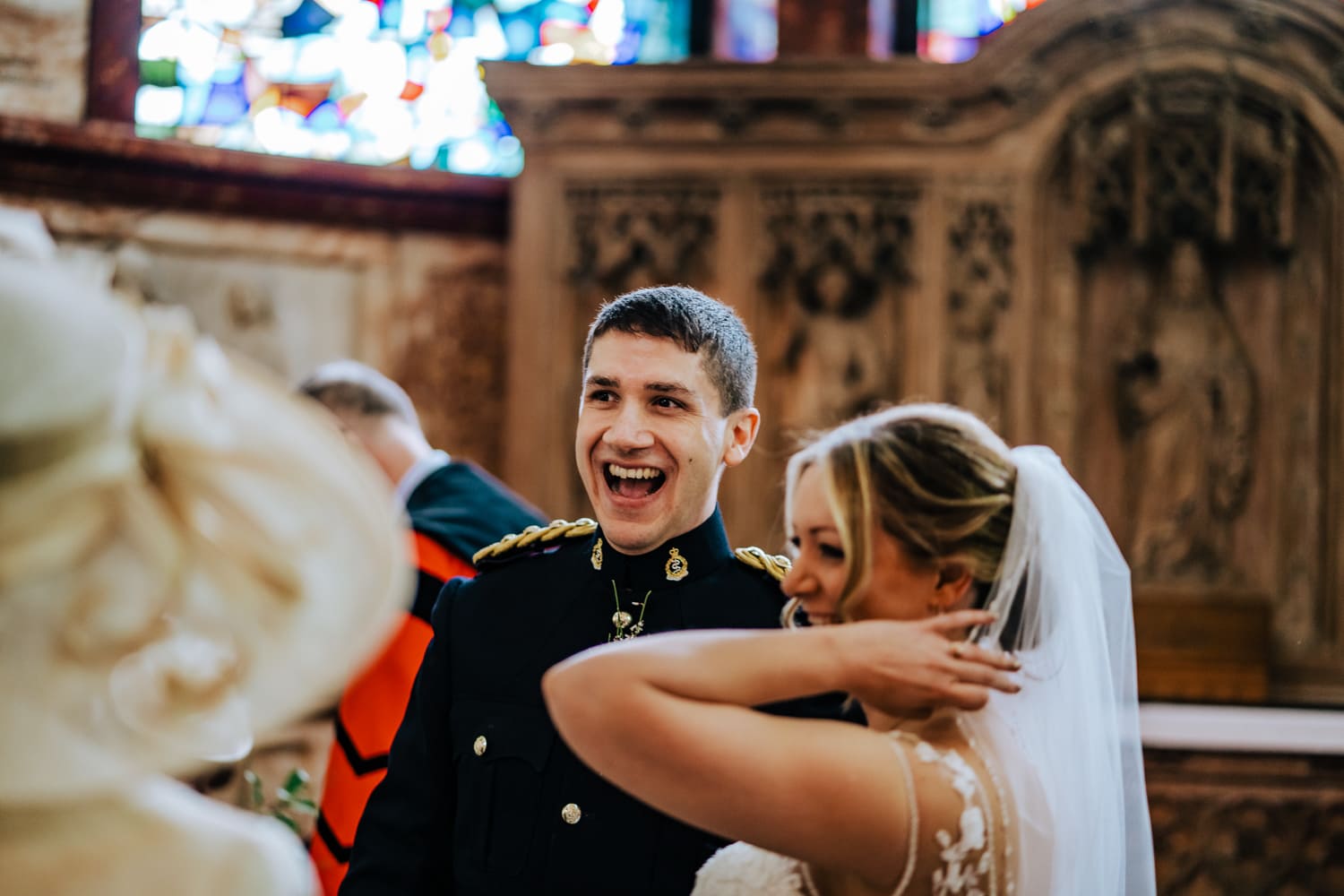
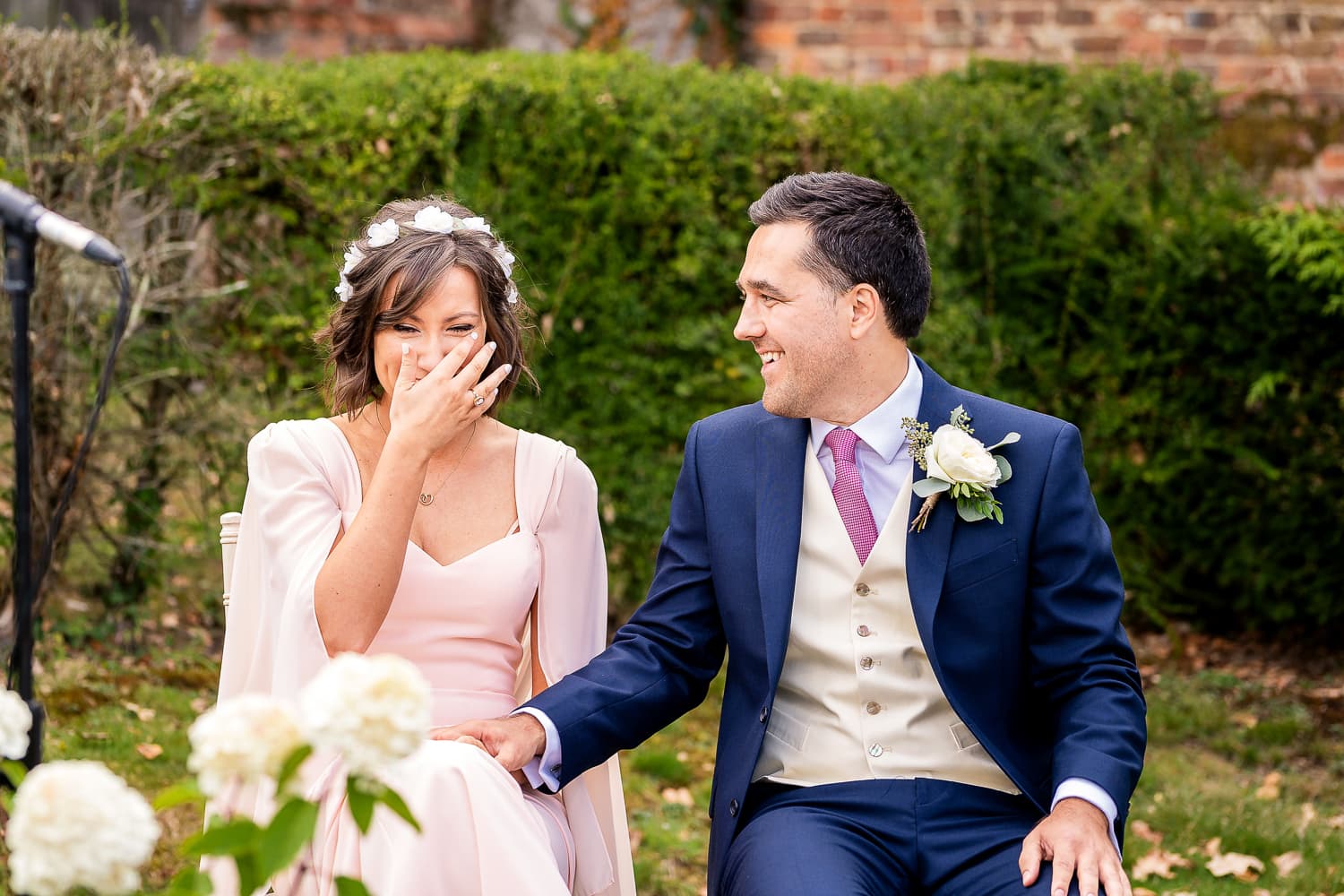
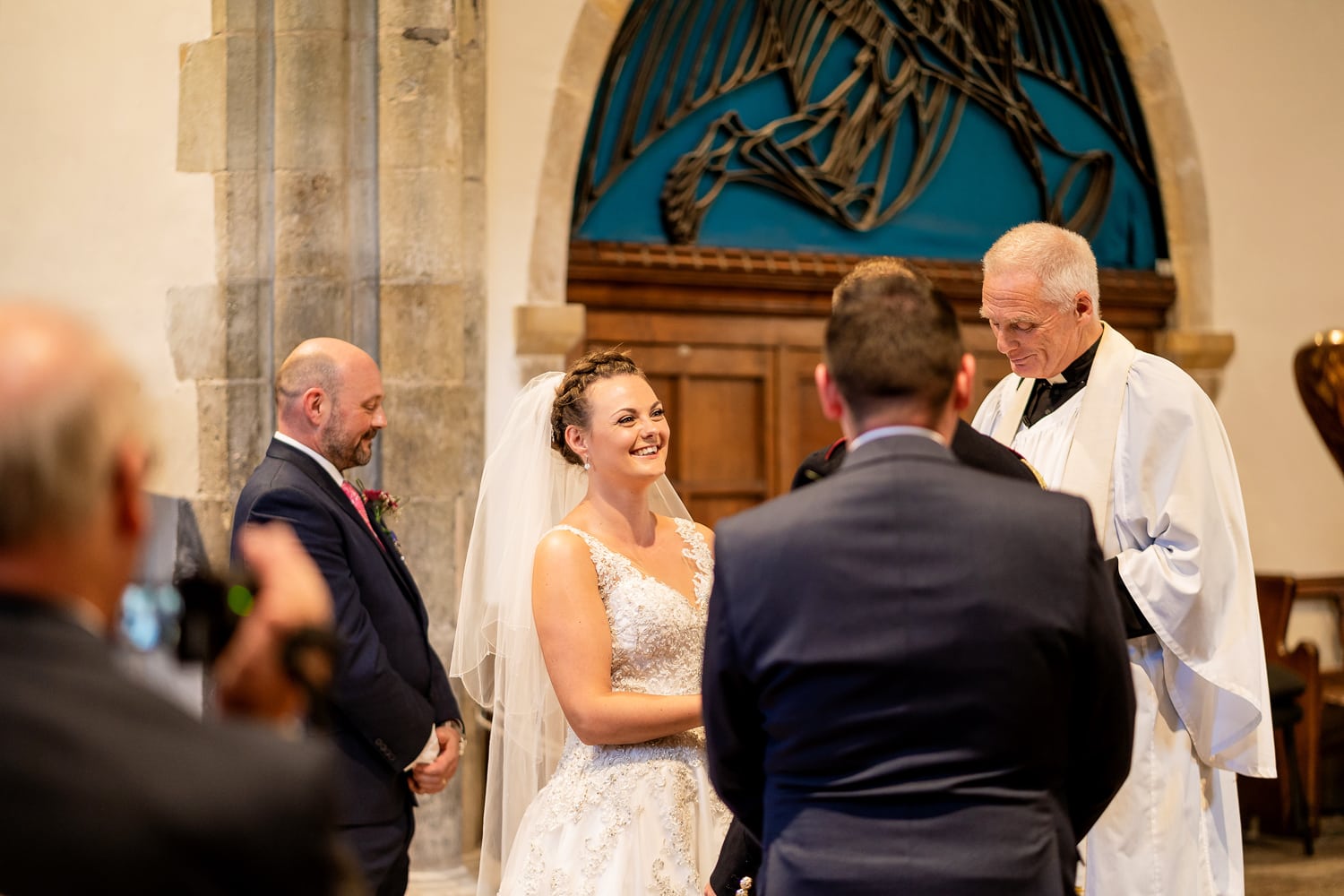
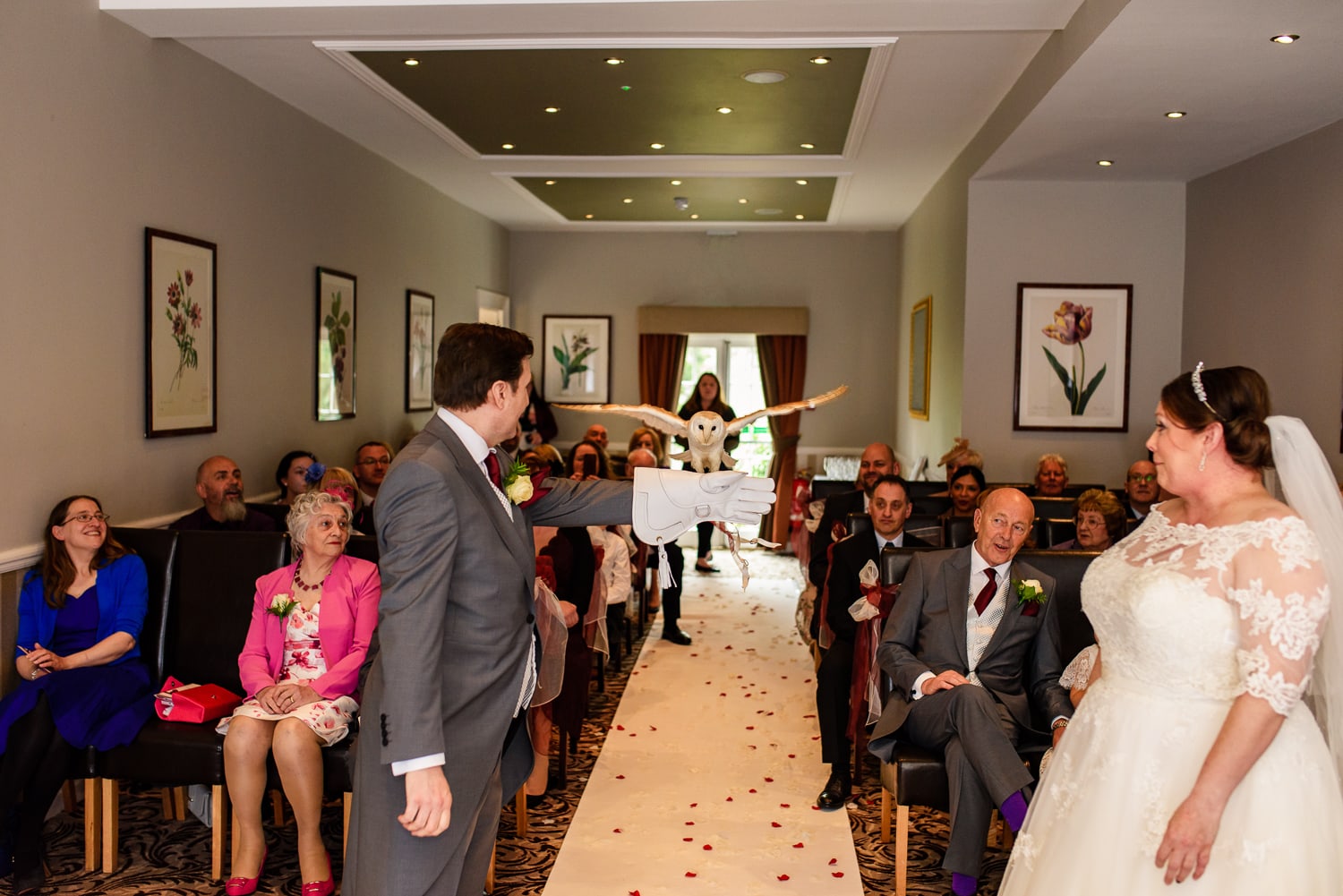
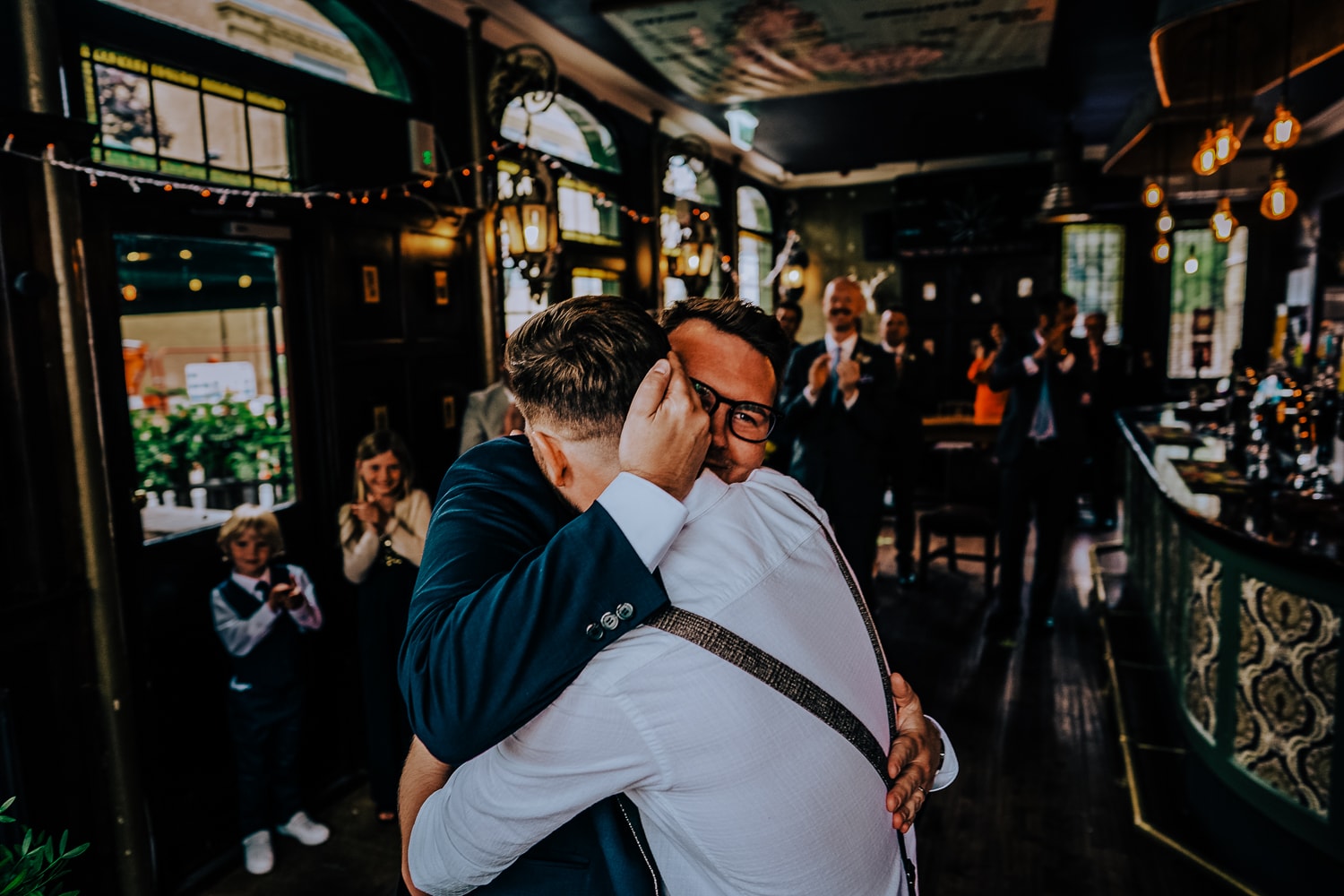
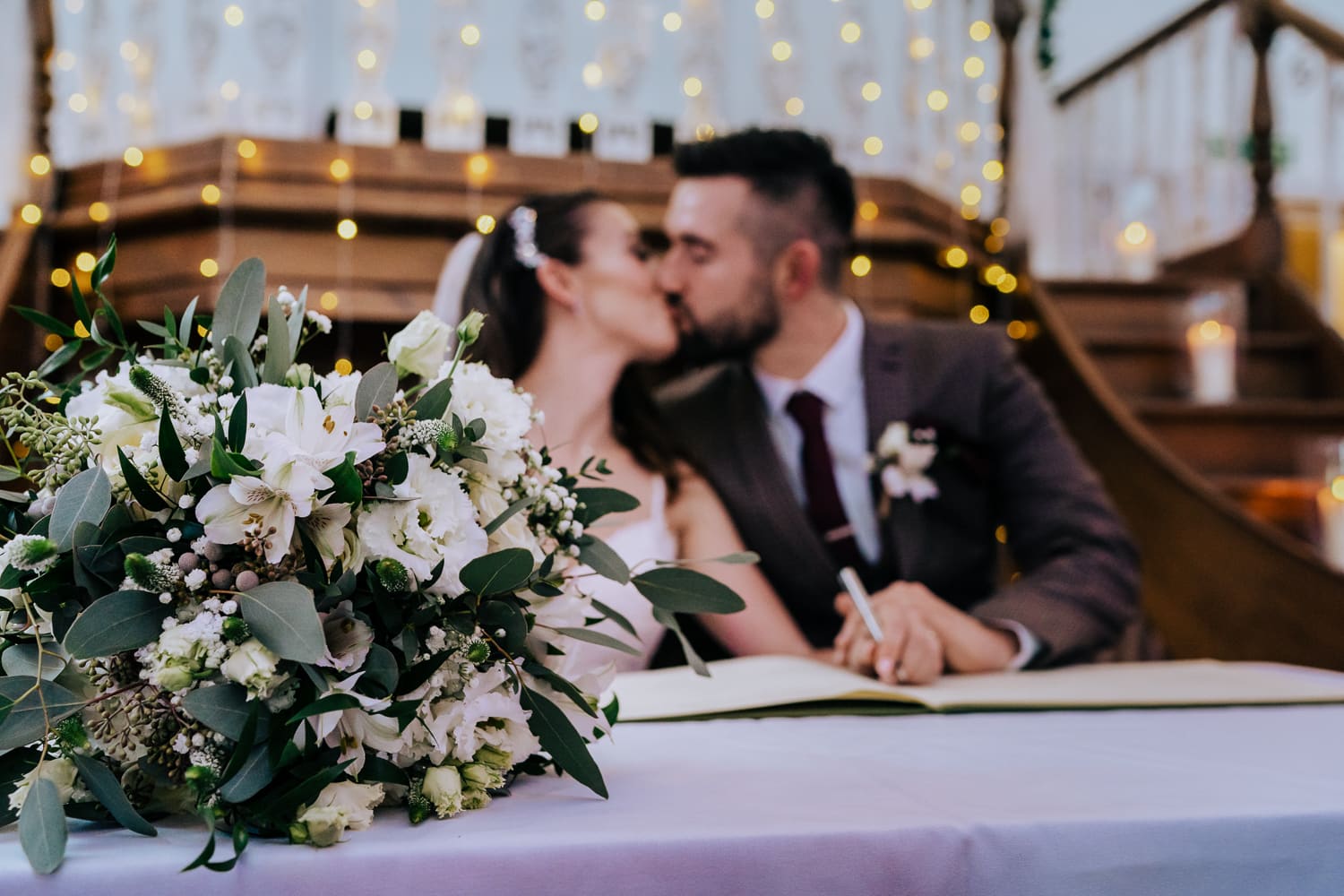
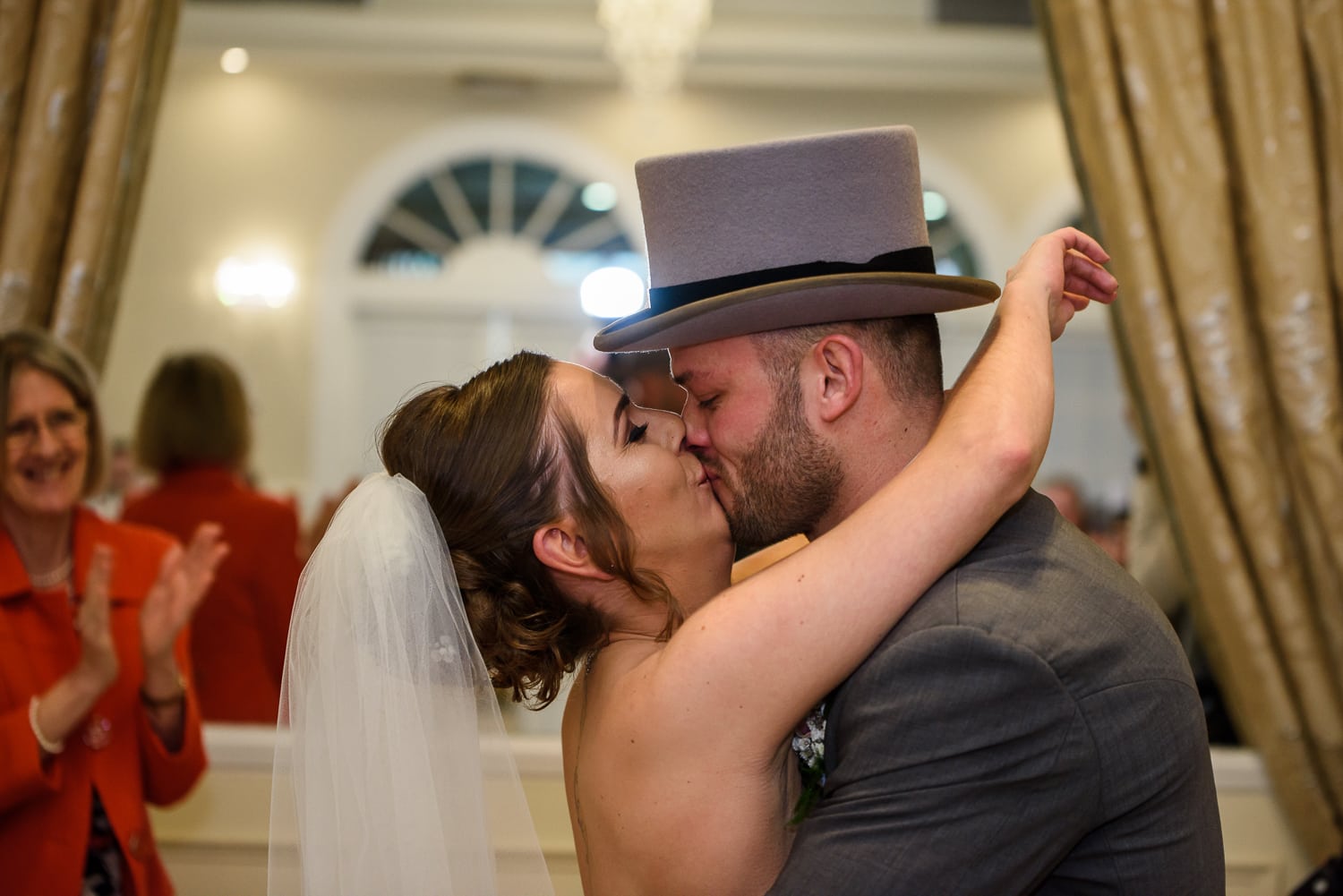
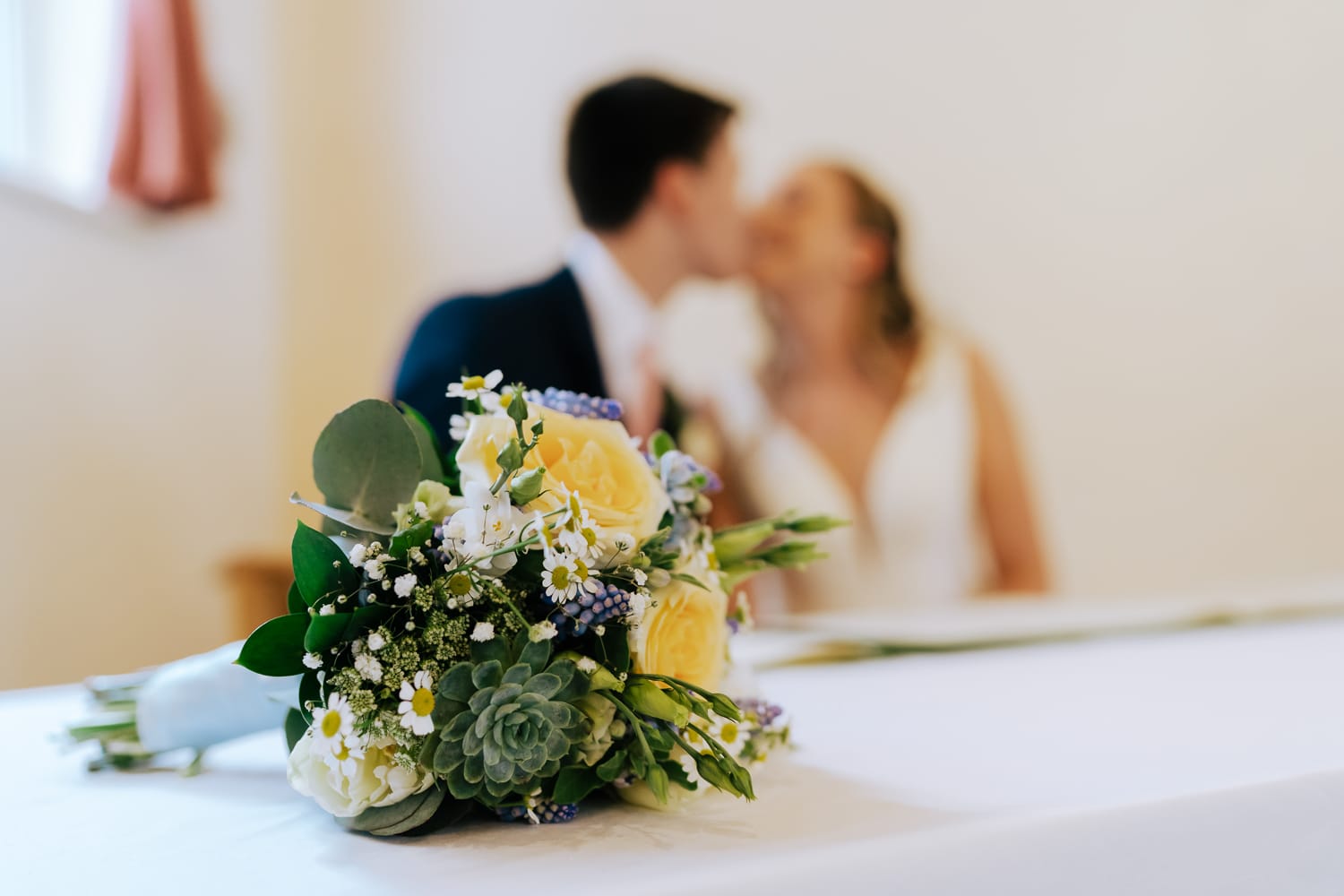
Nerves settle. Hands shake. Parents watch. Small reactions happen quietly and often pass without being noticed at the time. These moments matter because they are real, and because they happen only once.

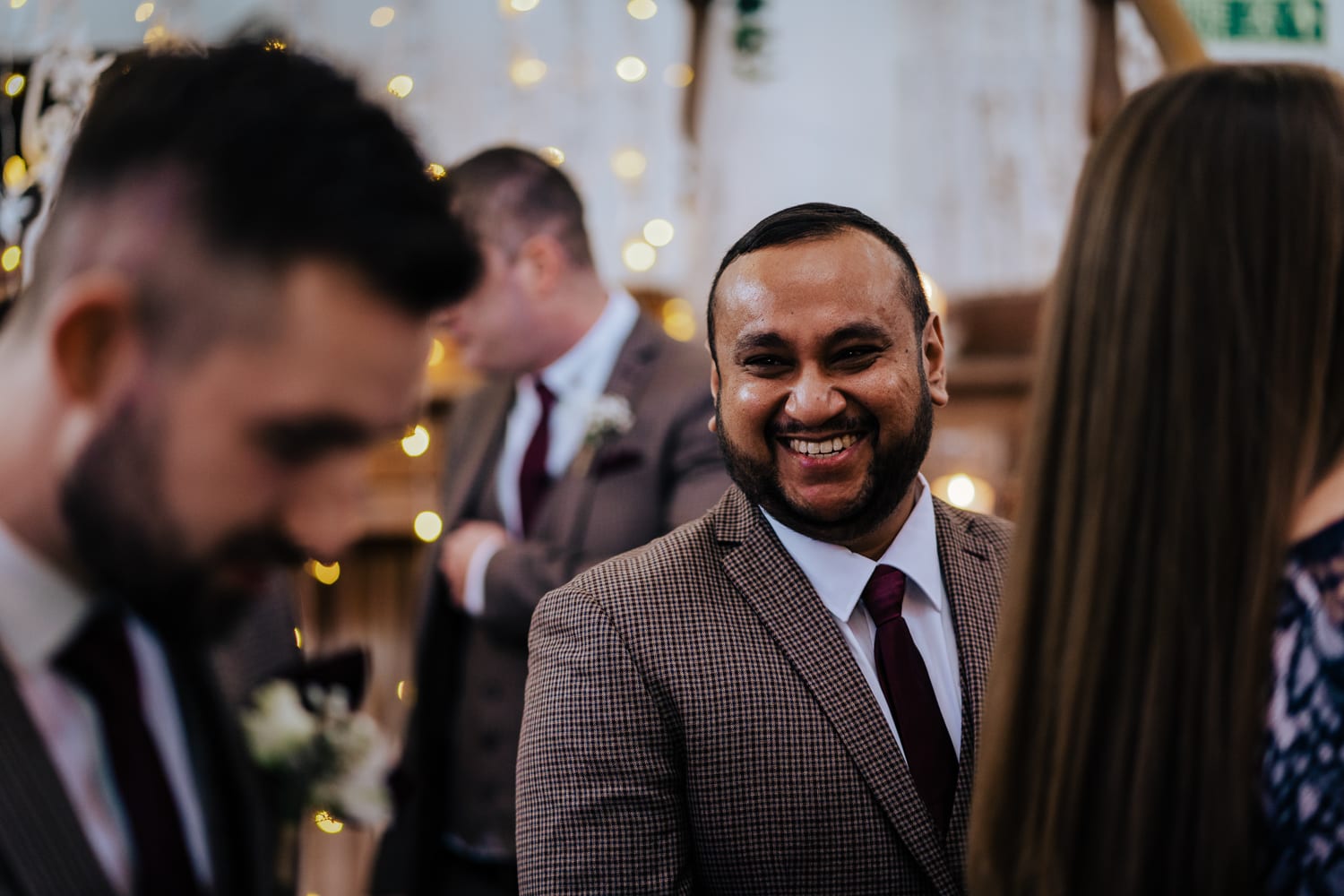
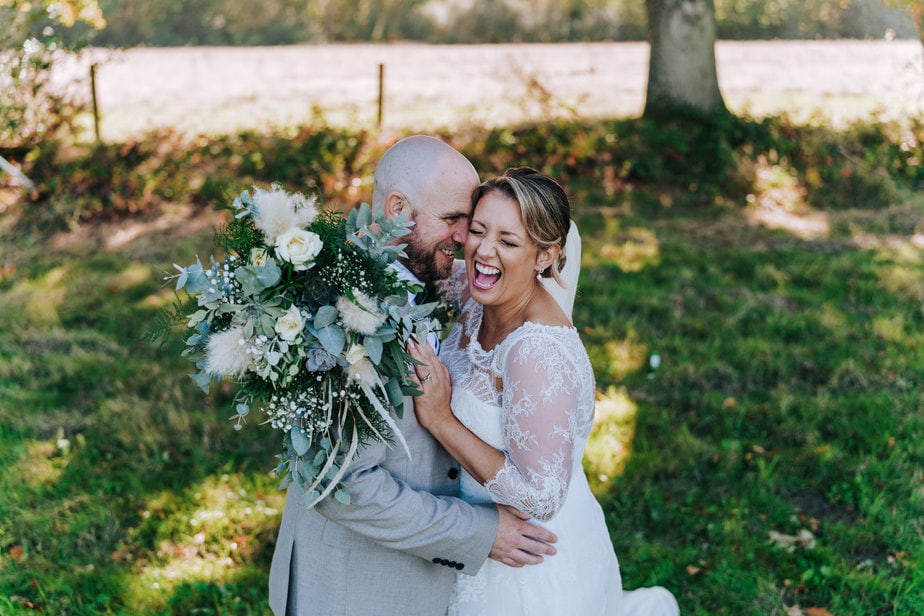
My approach to ceremony photography is calm and observant. I focus on what is happening, not on how it should look. That means real expressions, natural reactions, and an honest record of how the ceremony actually felt to be part of.

Why ceremony photos matter

Your ceremony is where emotion peaks without warning.

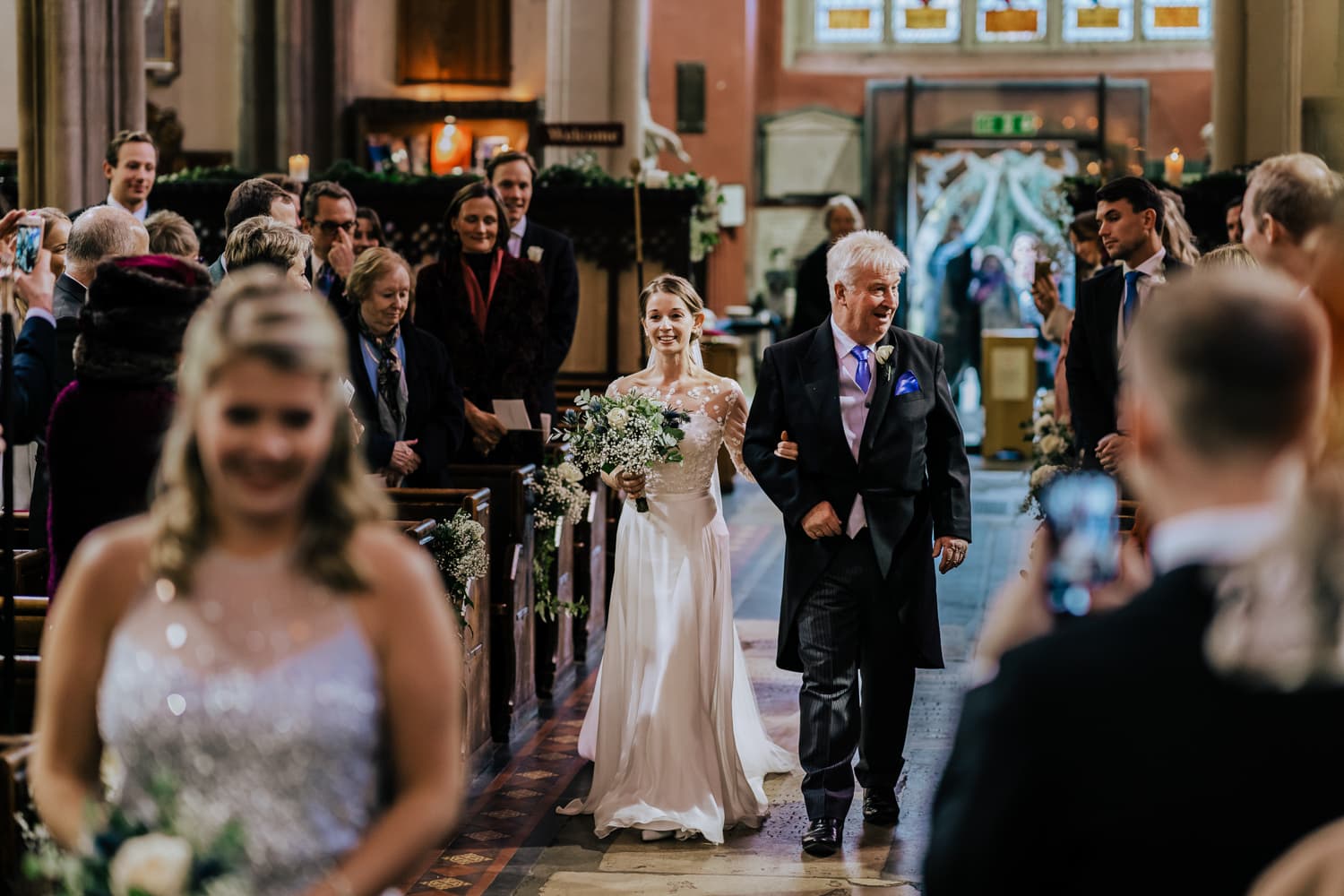
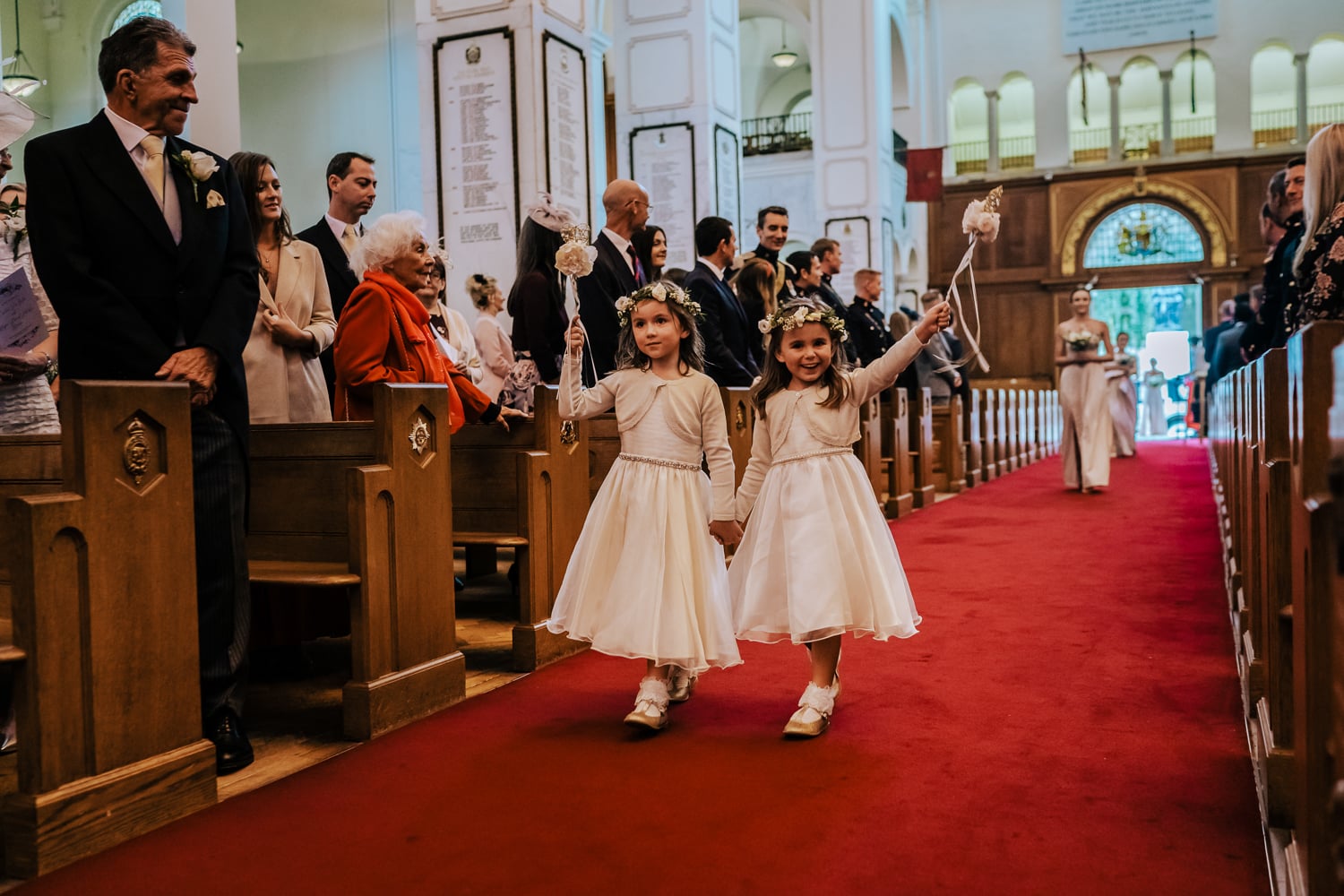
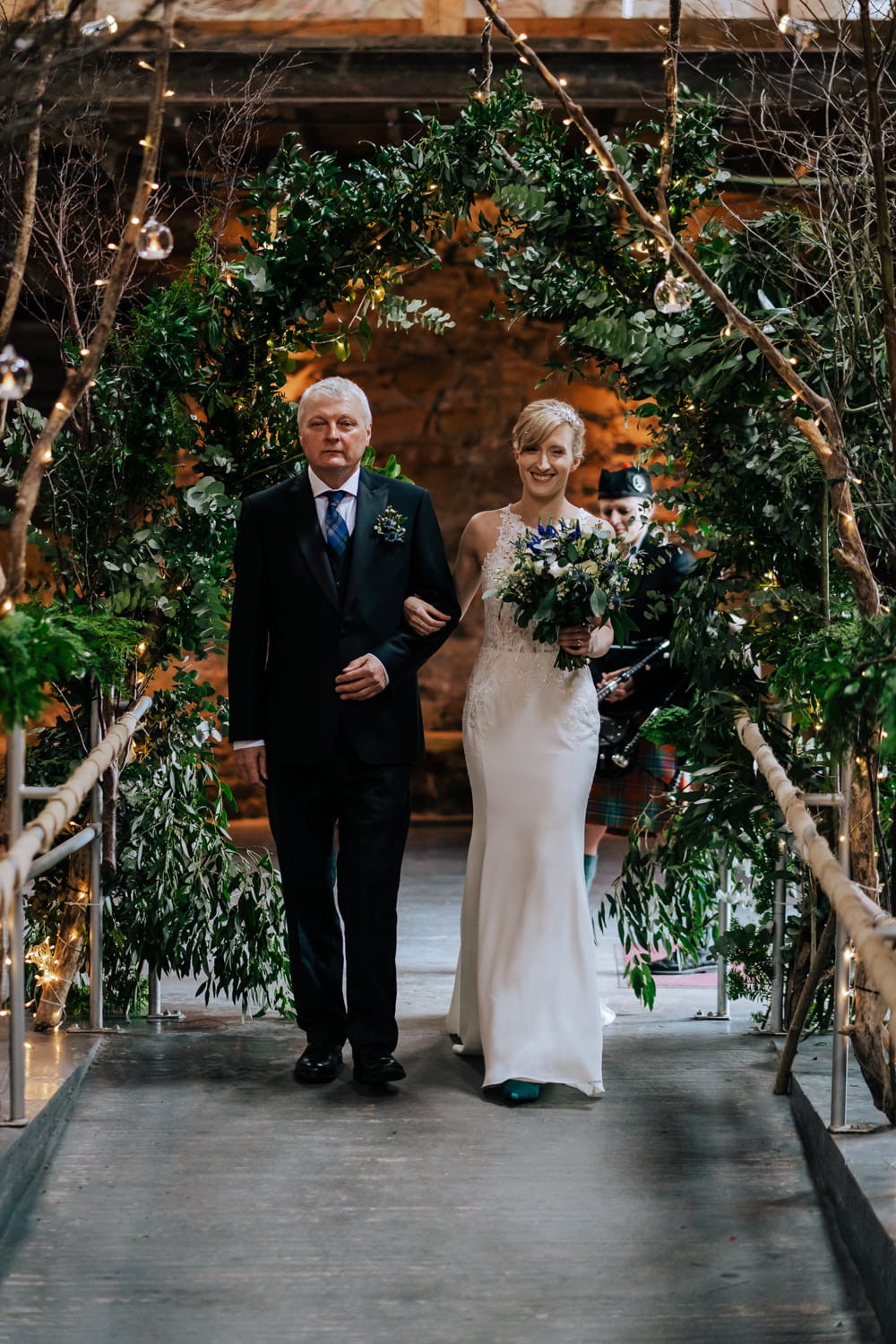
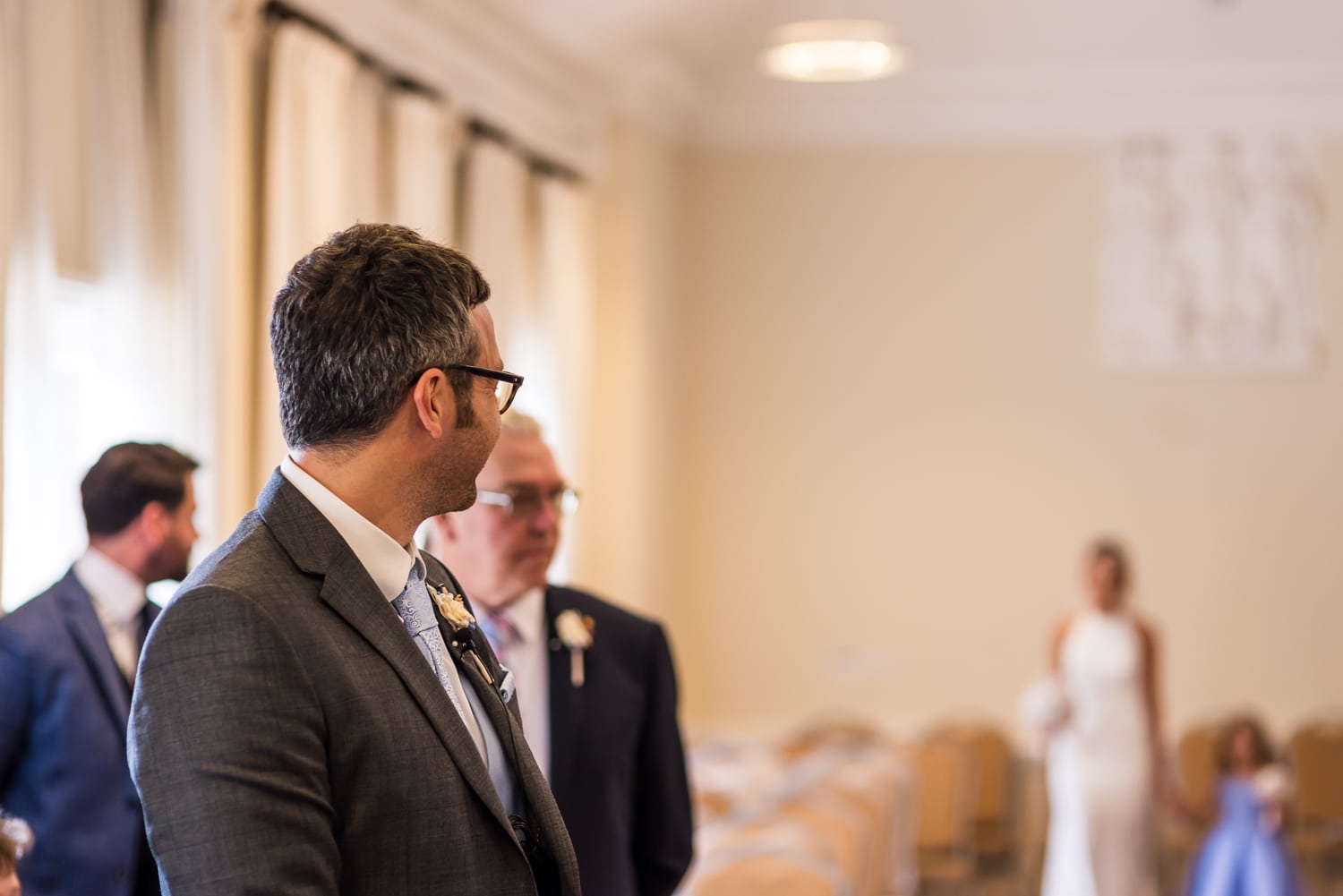
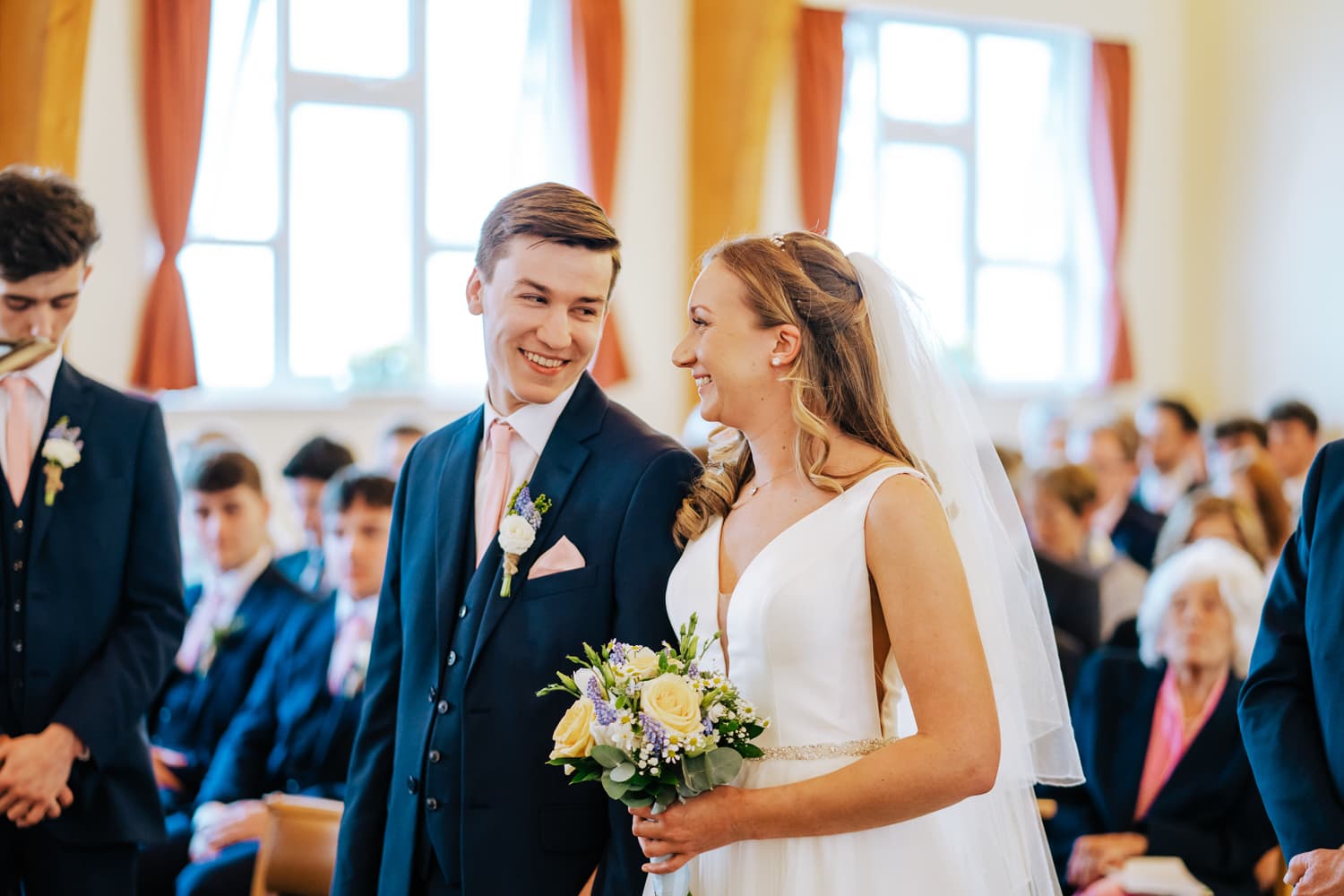
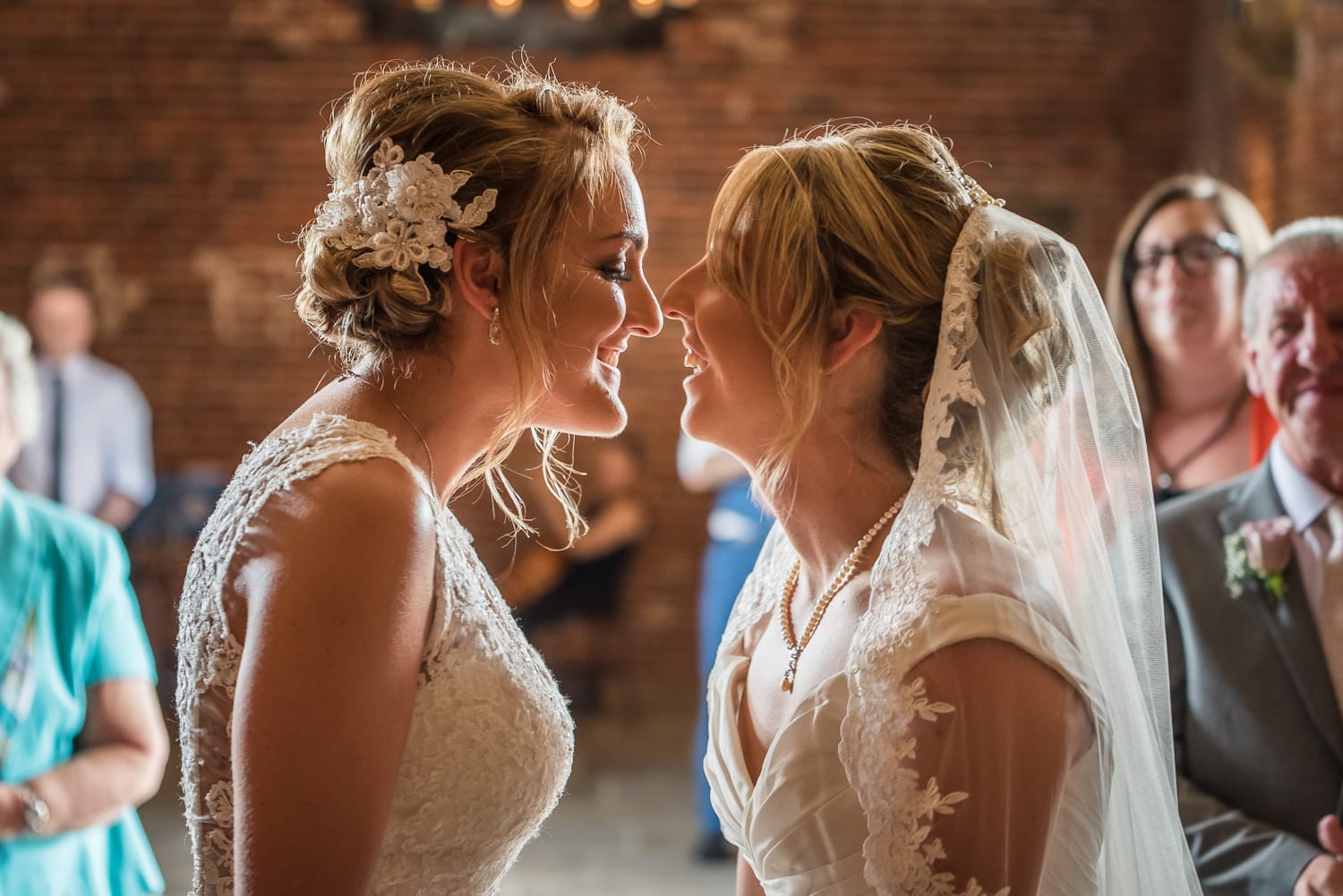
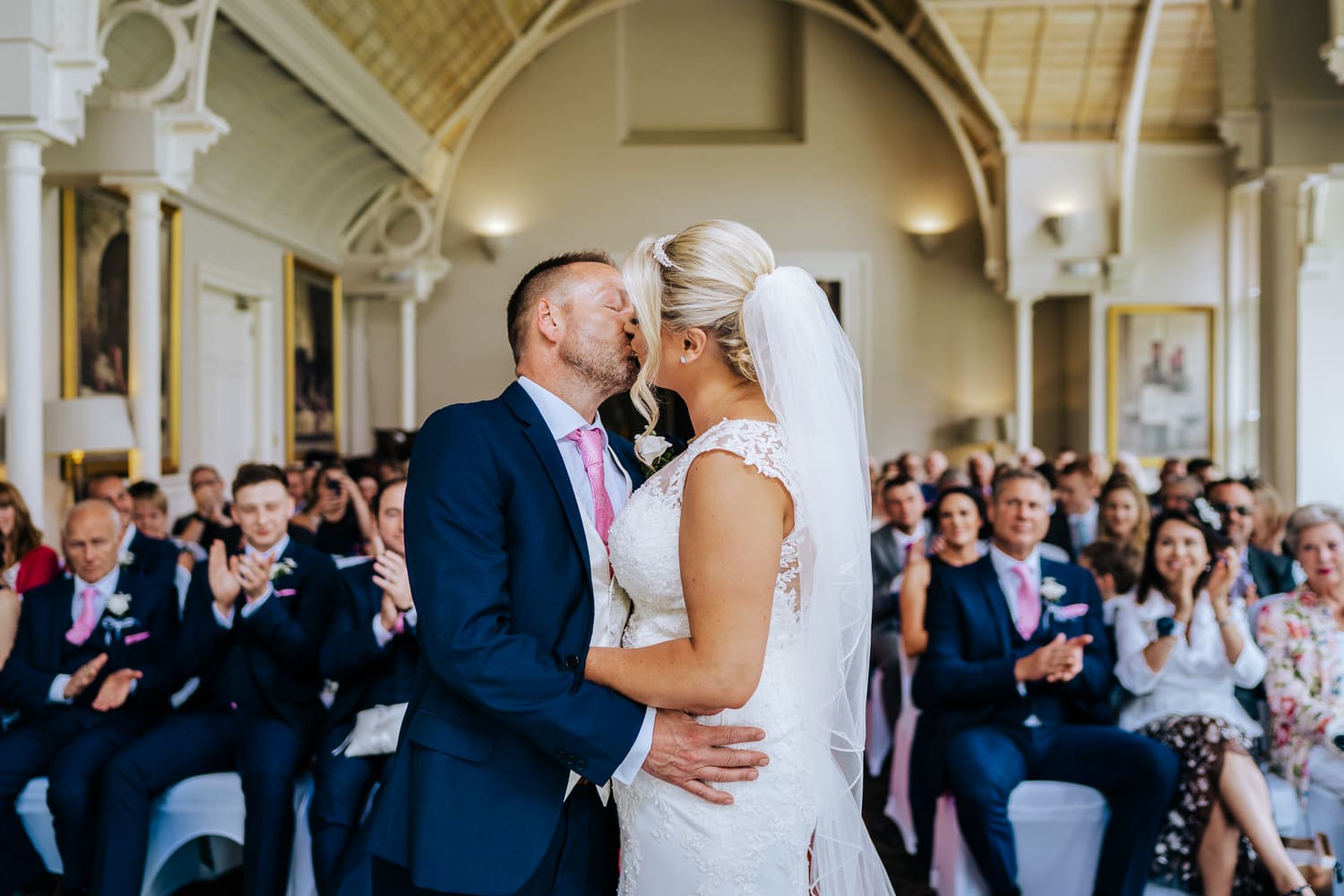
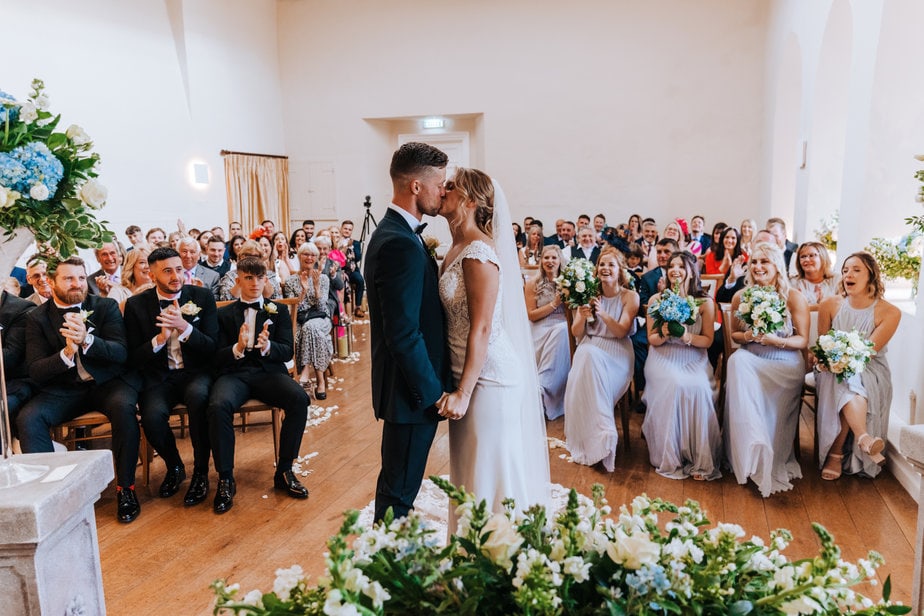
You may remember the walk in and the vows, but many of the moments that matter most happen in between. A breath taken before speaking. A glance across the room. A parent holding back tears.

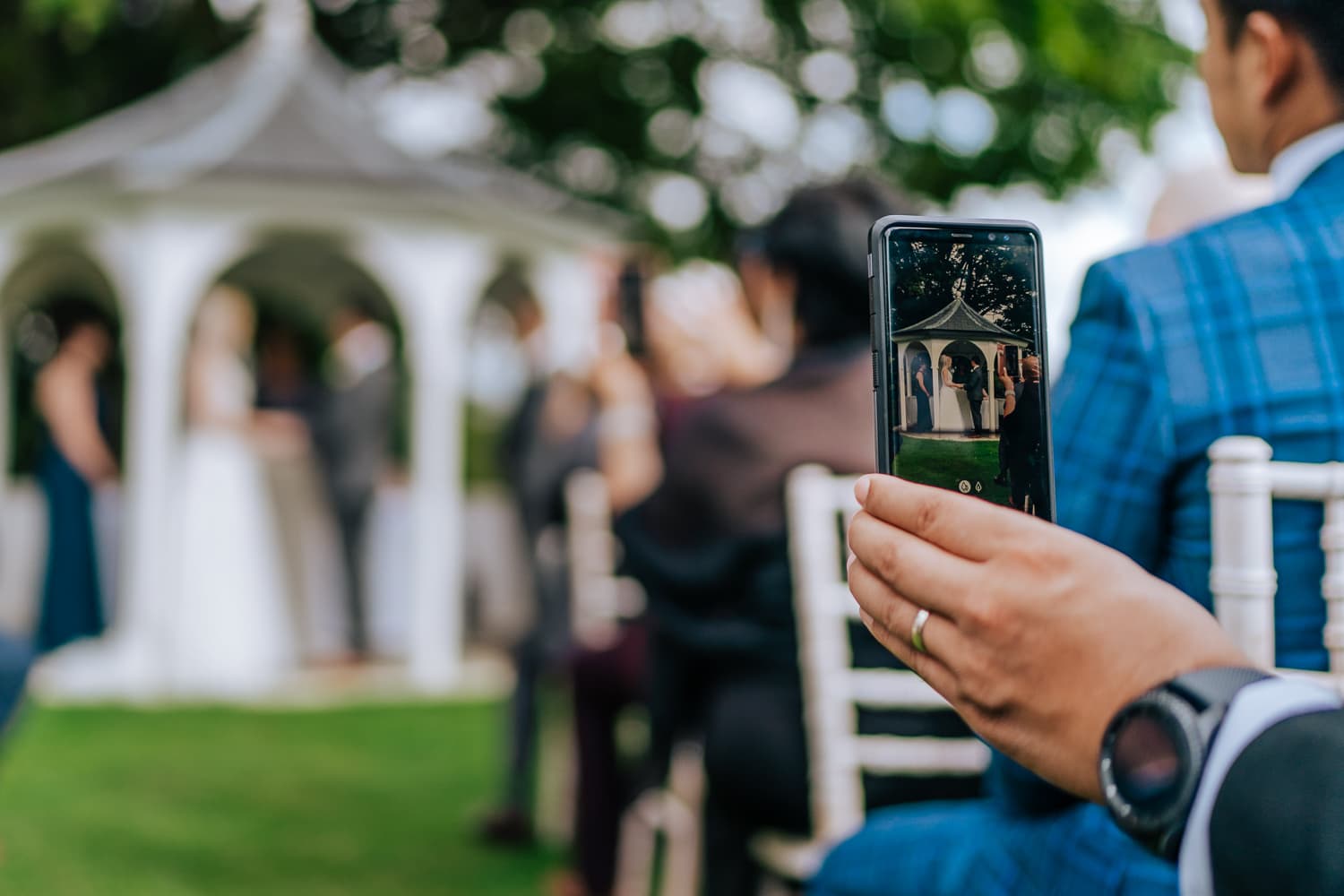
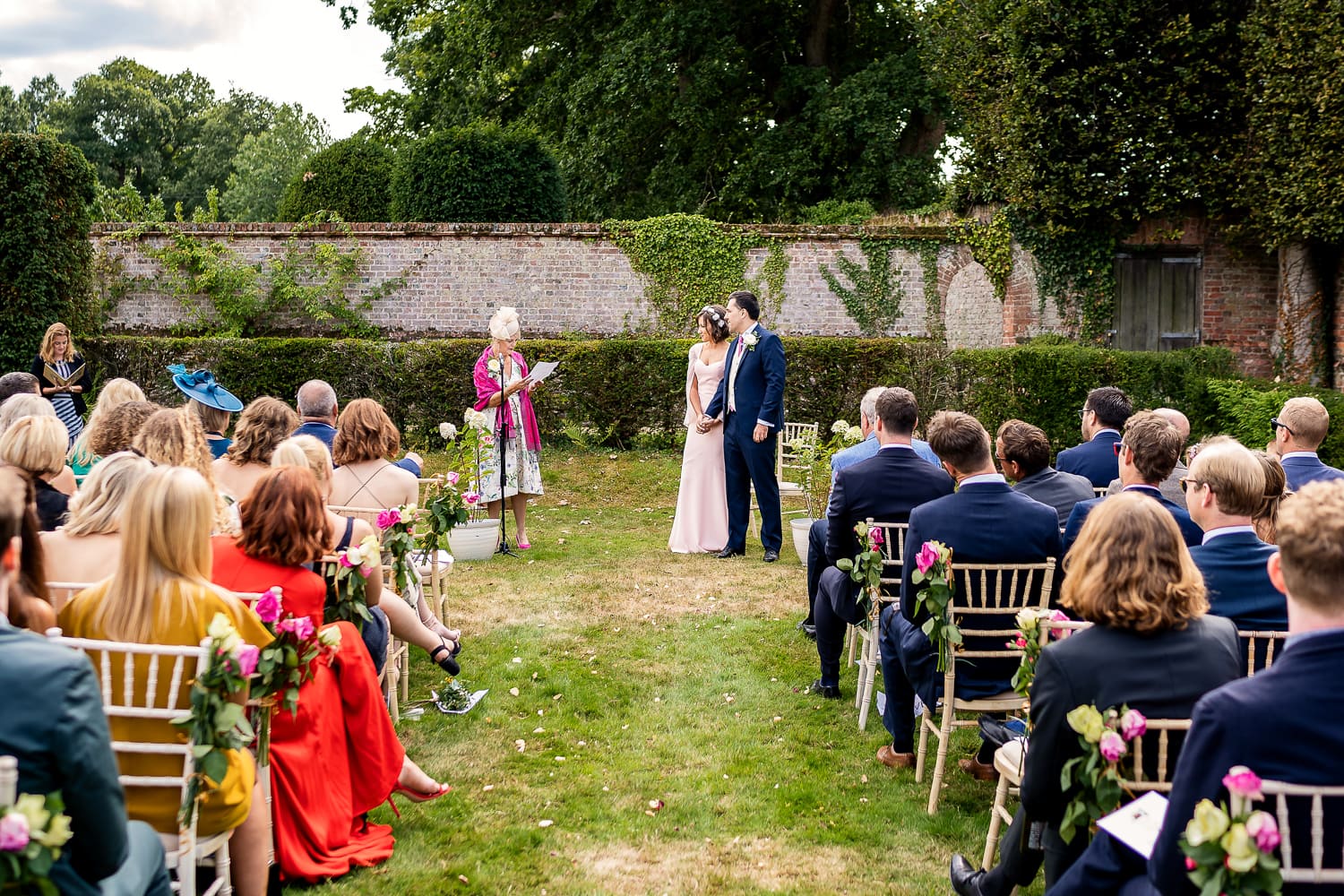
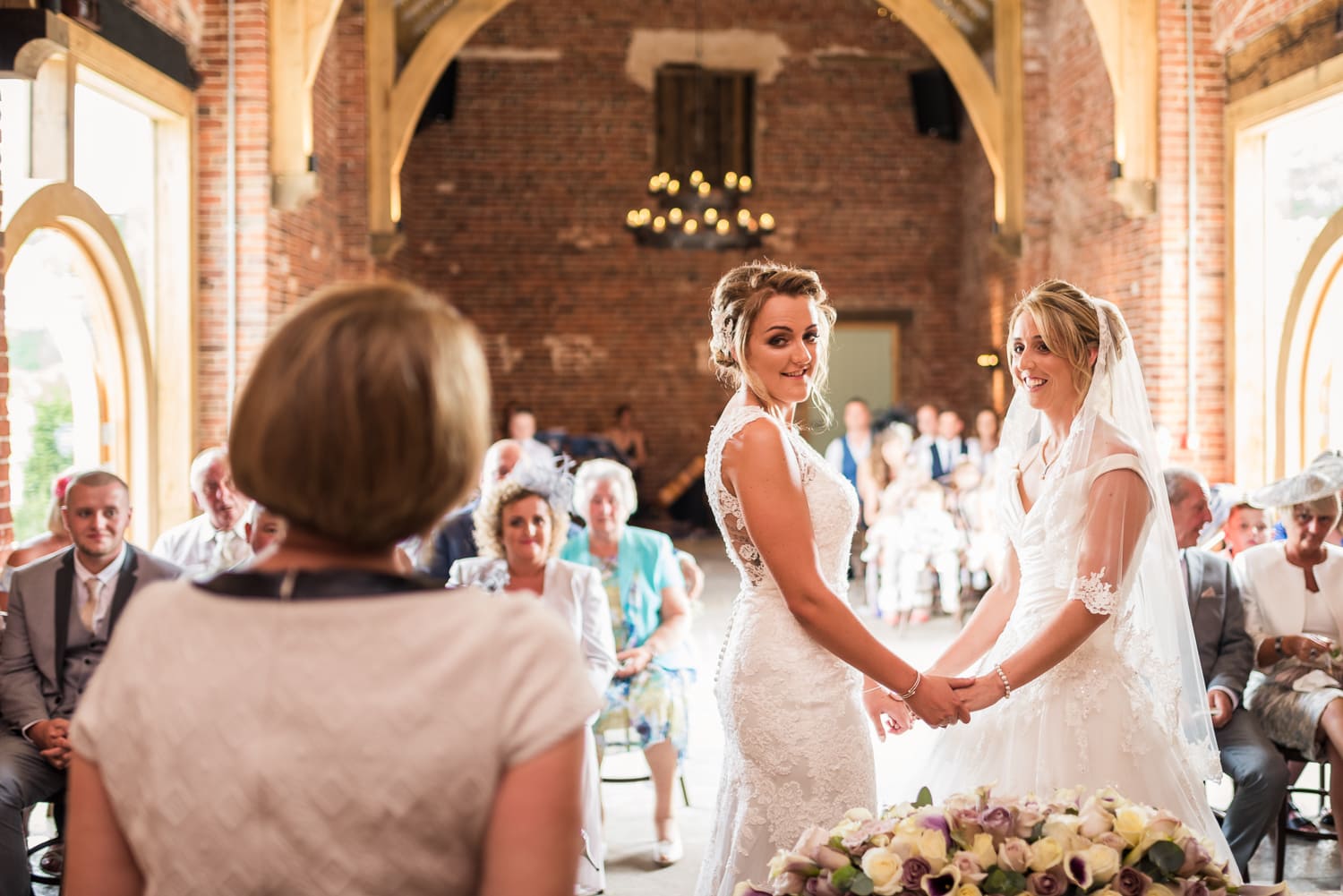
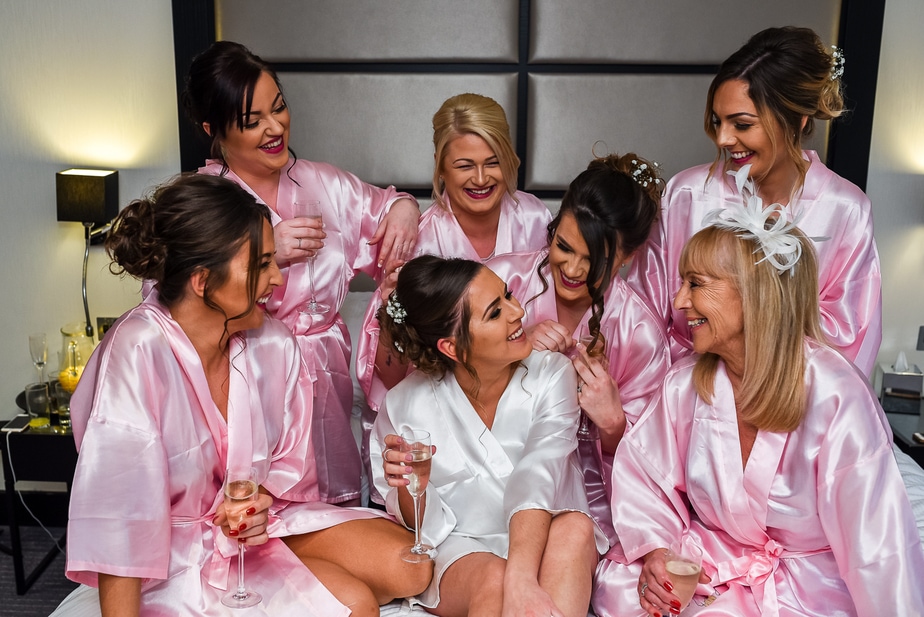
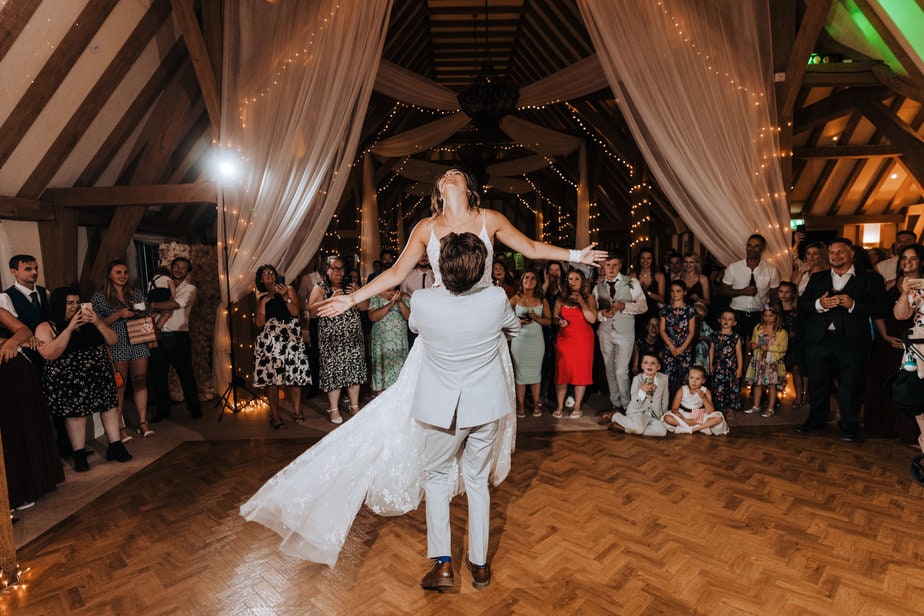
Guests see one angle. I work to capture the full picture. Both of you. Your families. The atmosphere in the space. These photographs become a record of how it felt, not just how it looked, forming the emotional backbone of the day alongside the moments earlier in whilst you were getting ready.

Moments couples often miss

A lot happens during the ceremony that you never see.

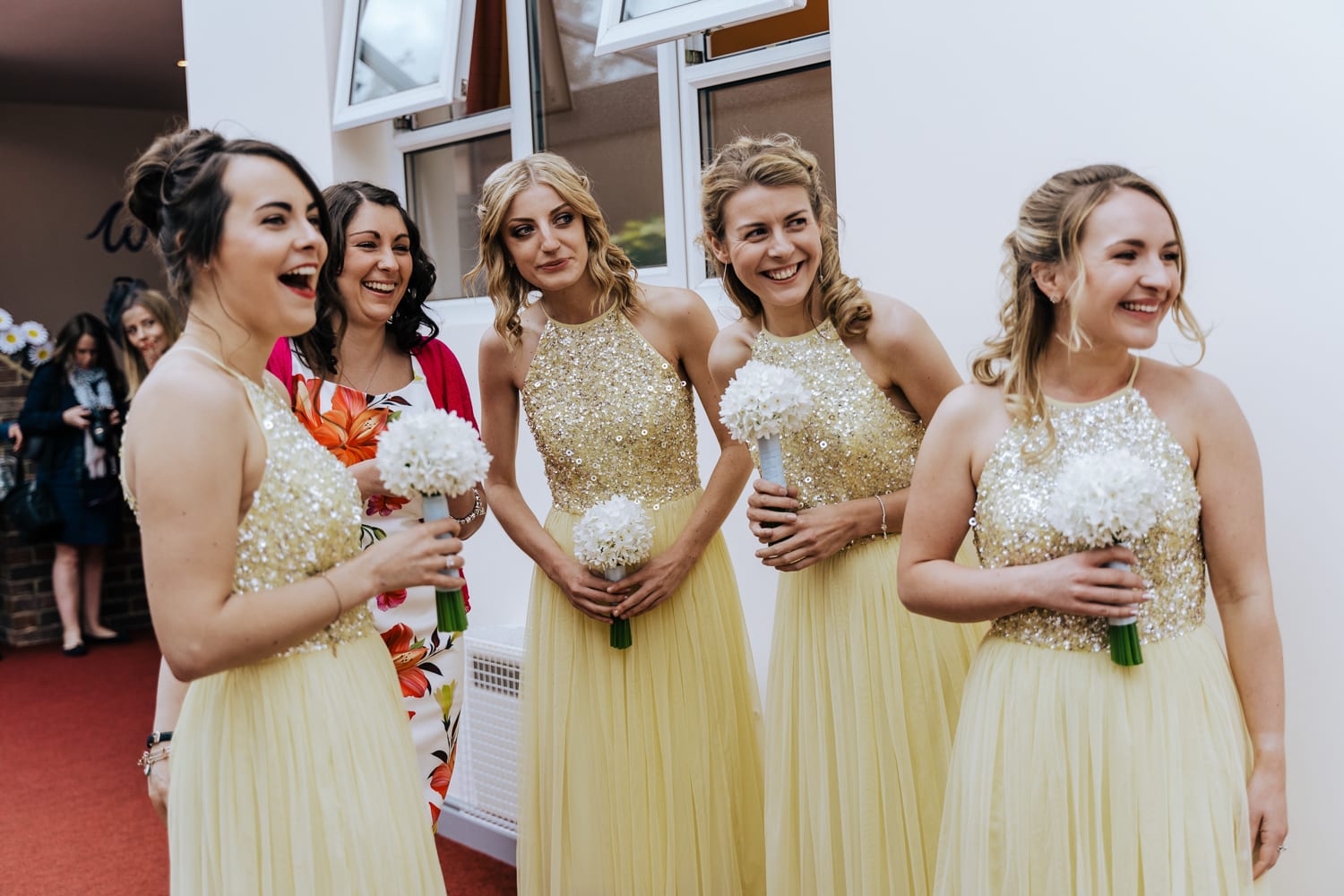
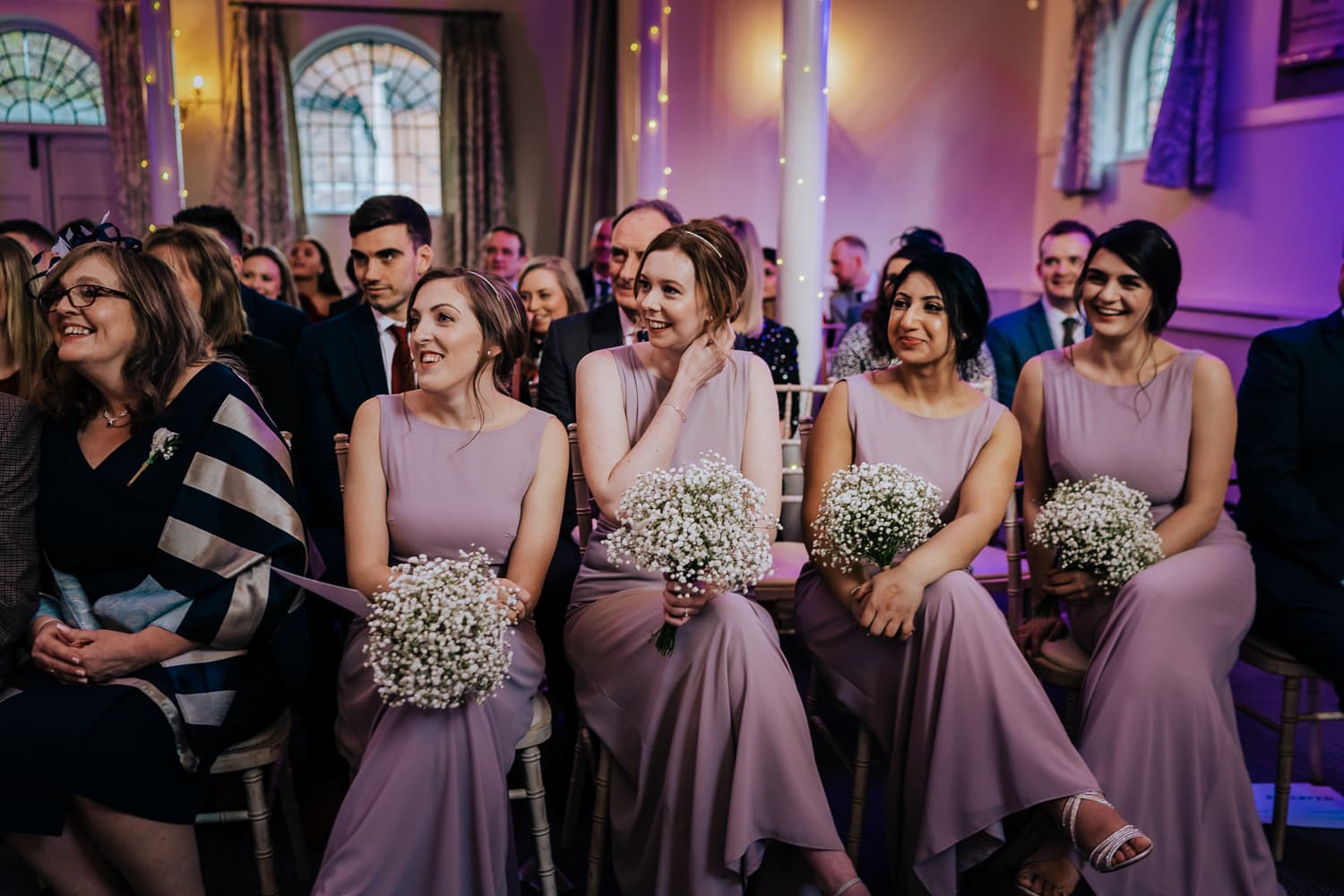
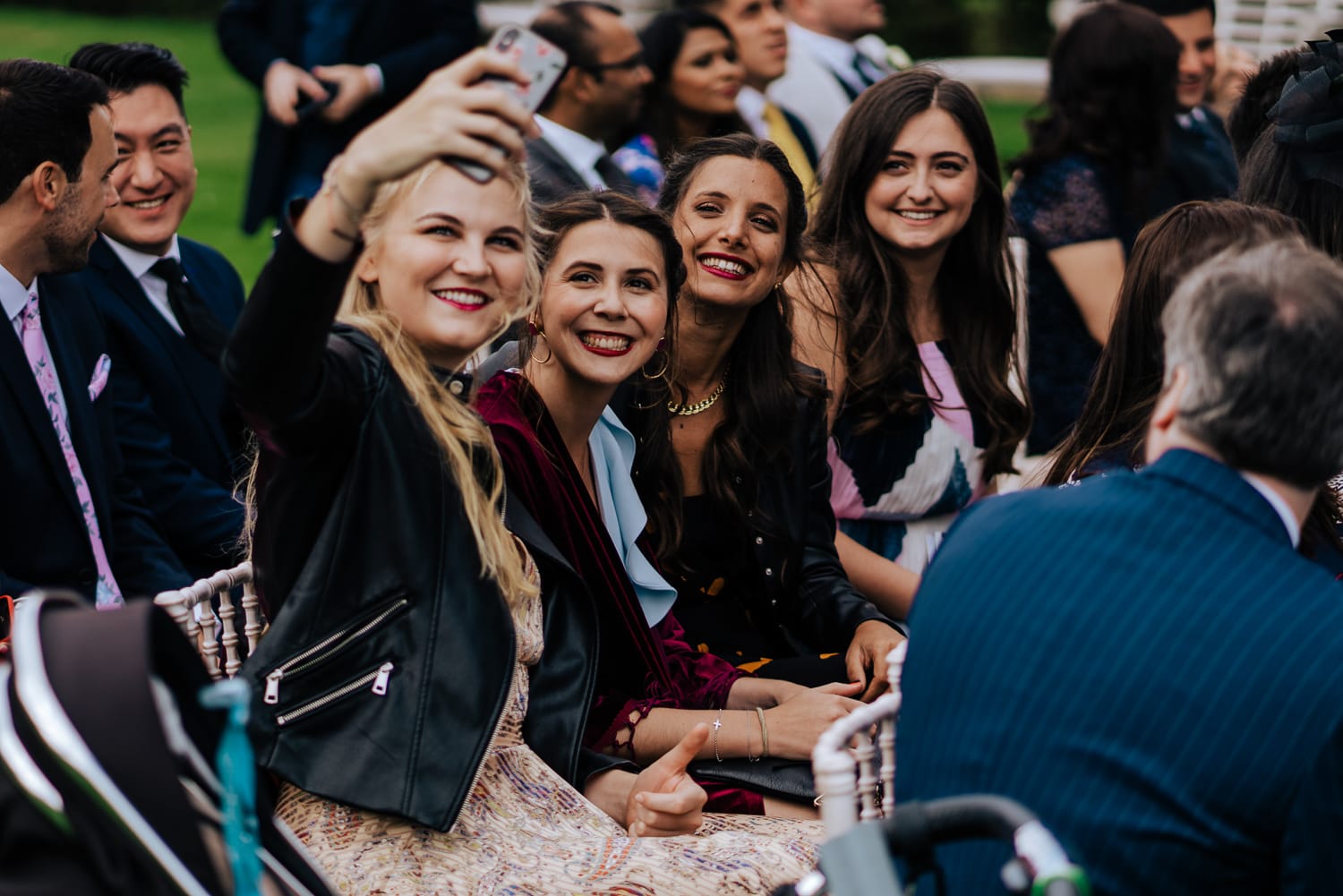
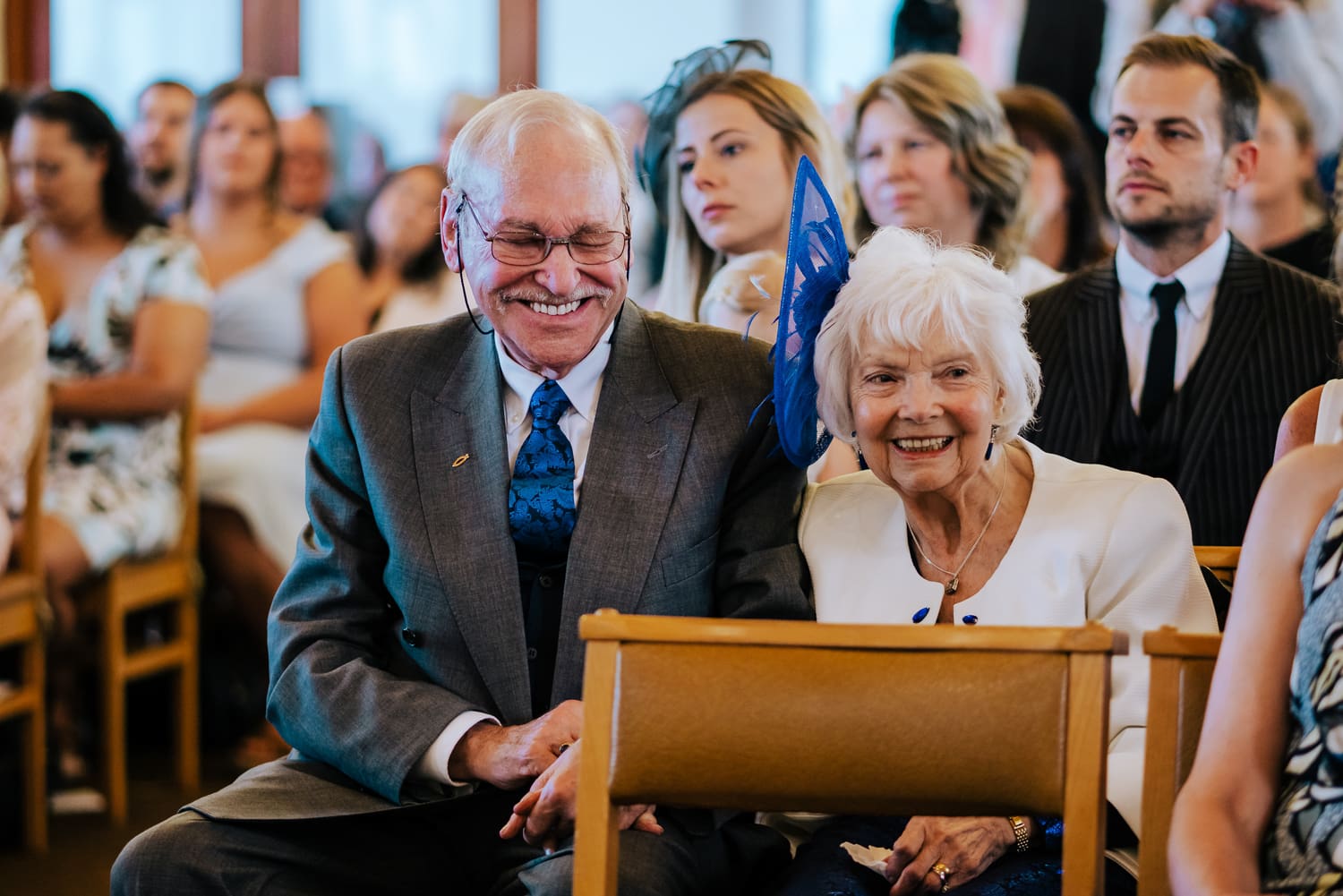
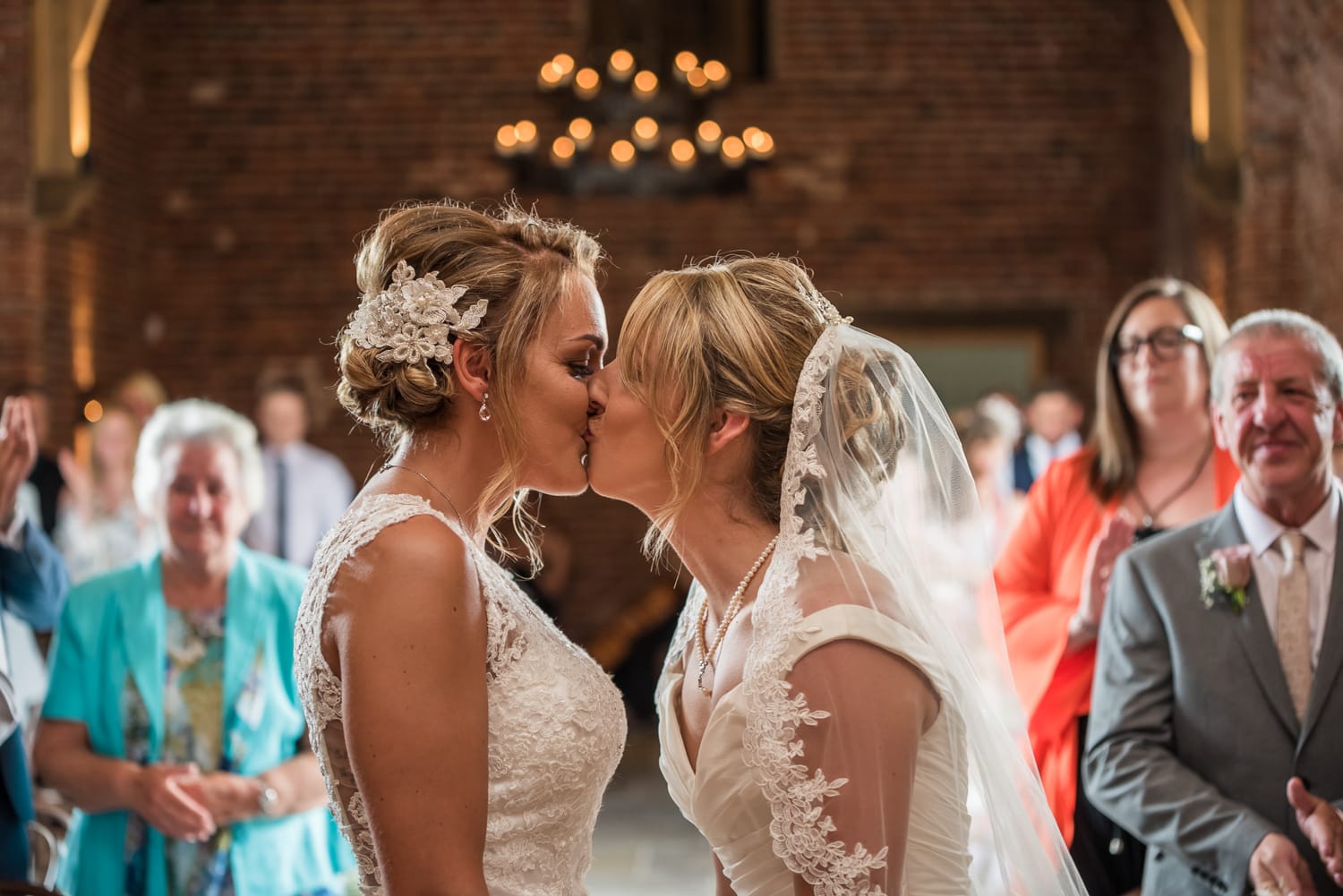
Parents and grandparents watching quietly.
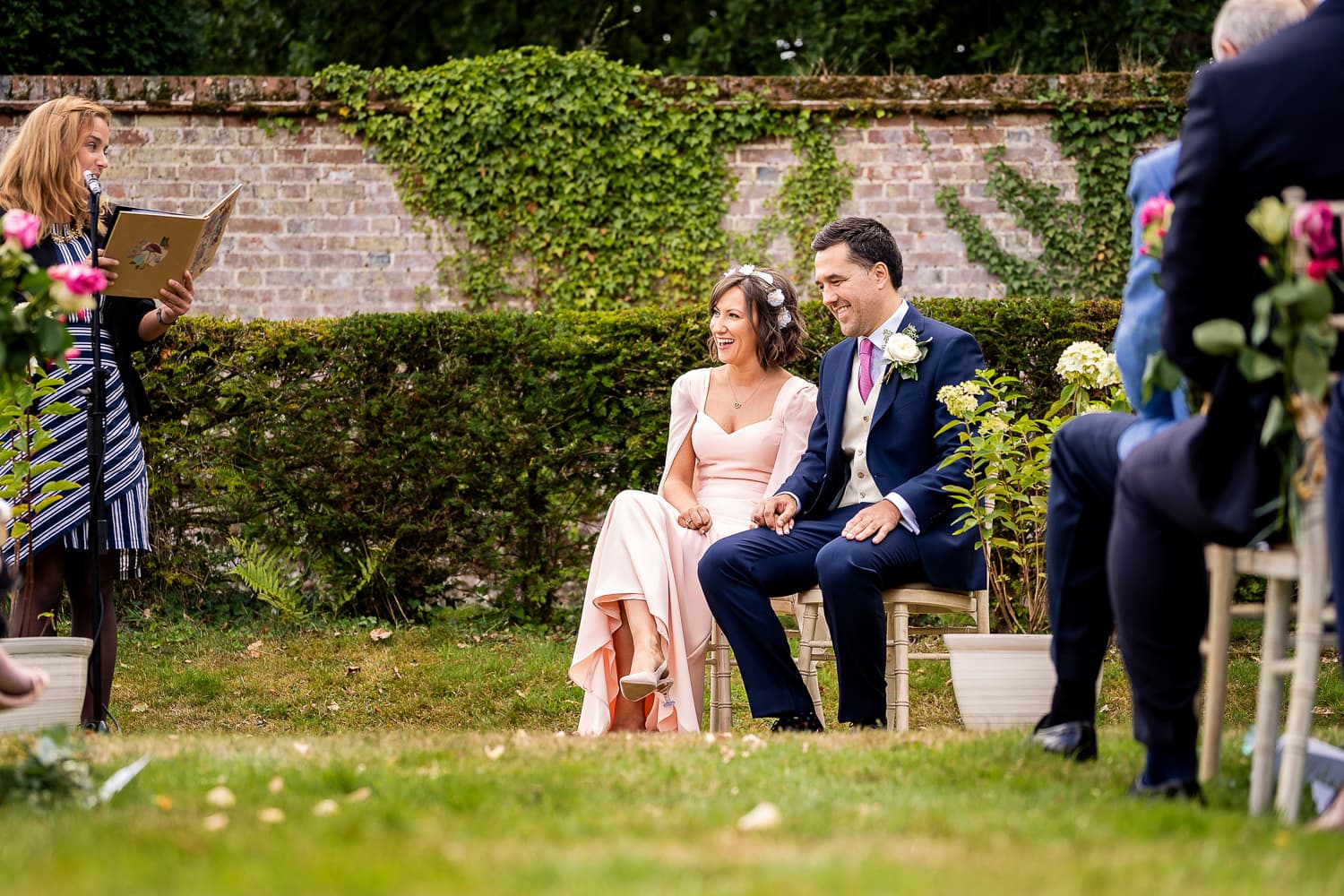
Reactions during readings.
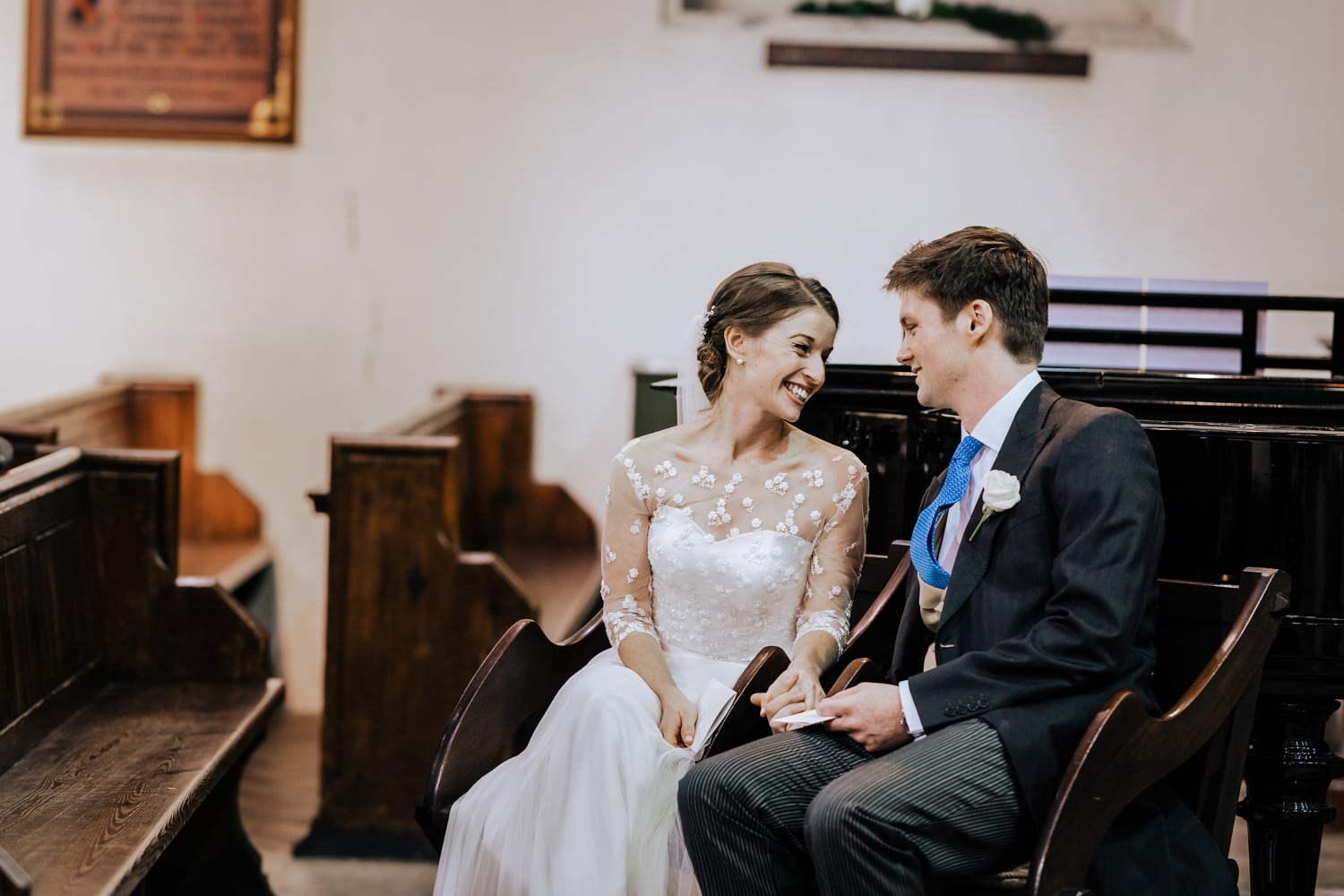
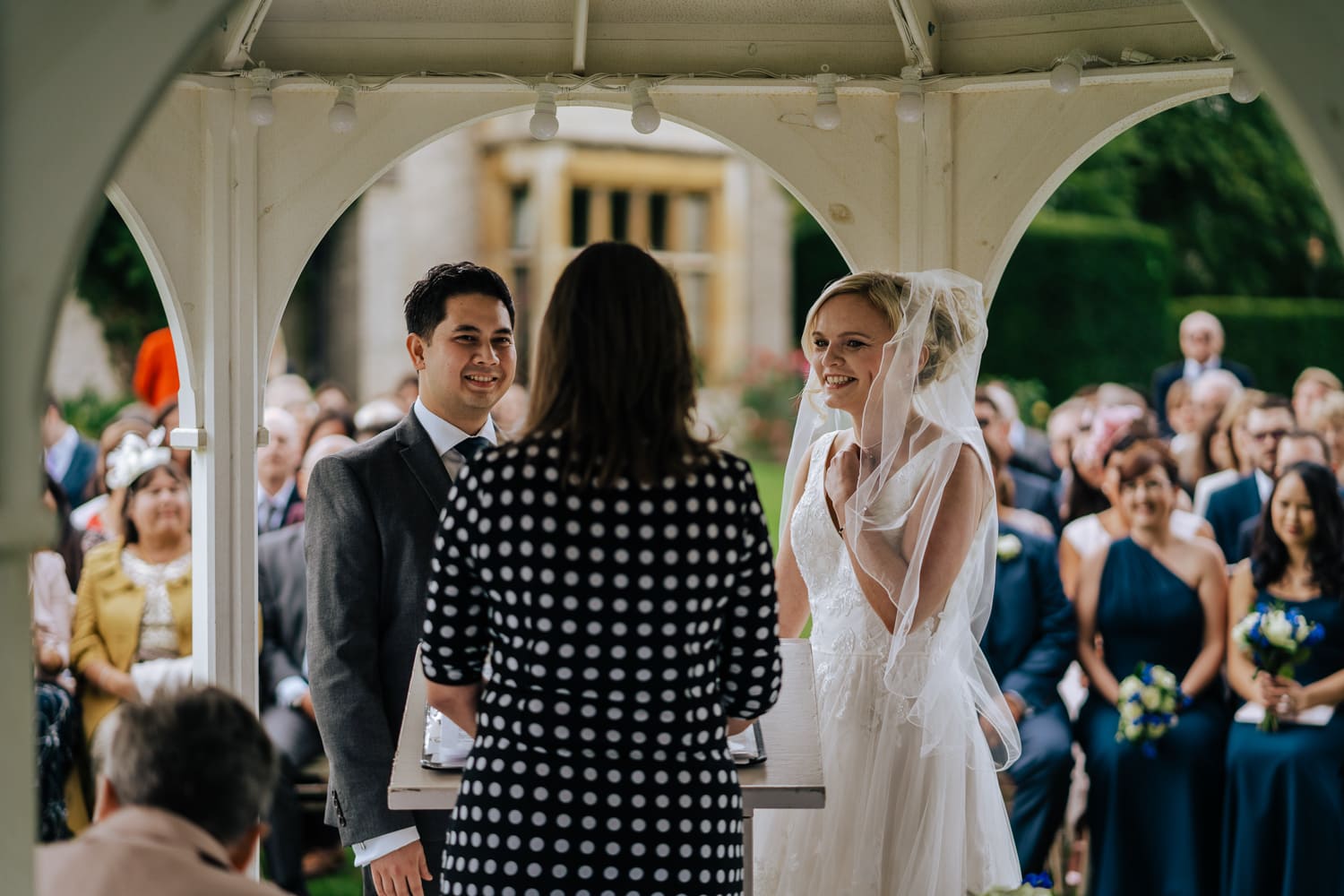
Small smiles as nerves settle.
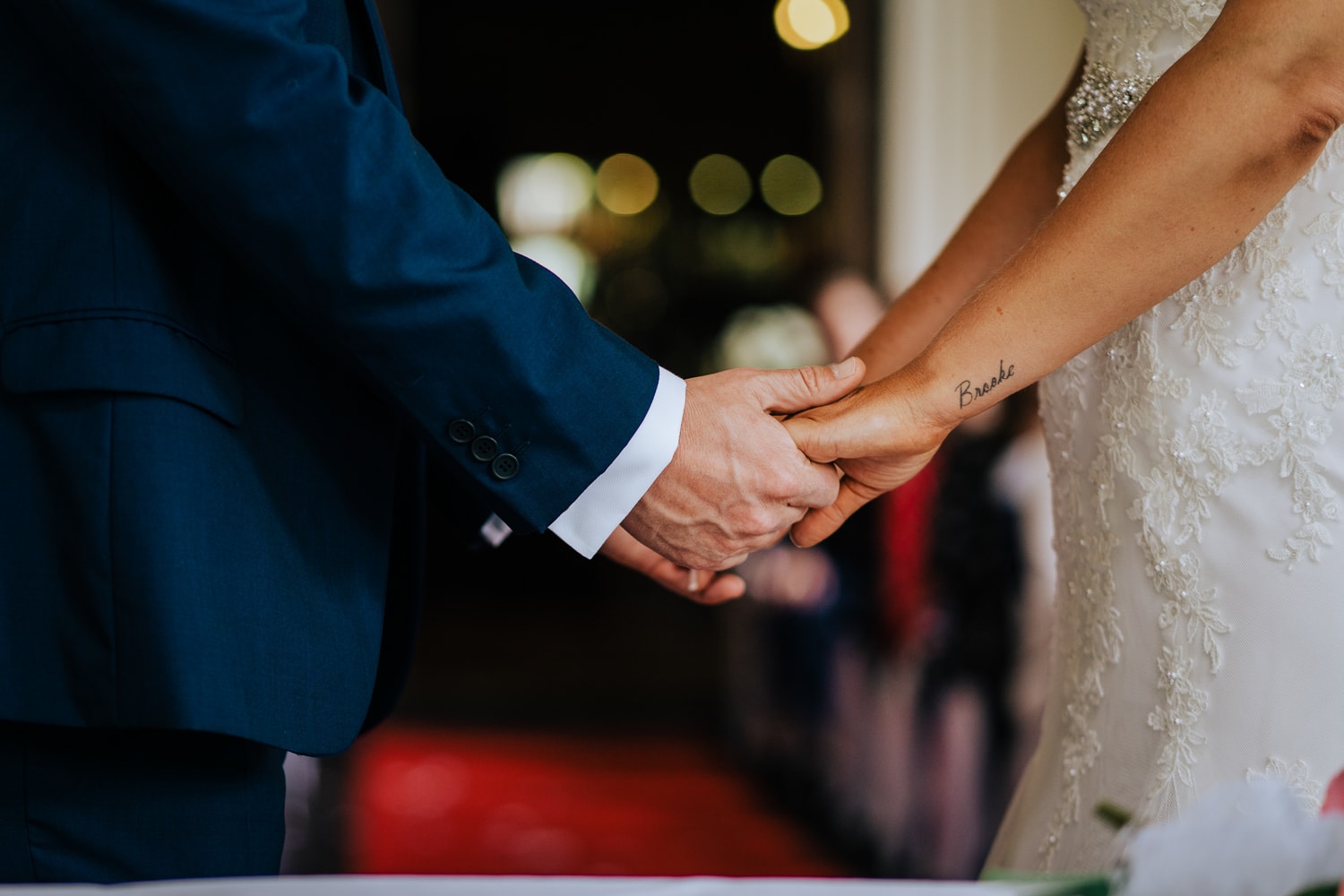
Hands reaching for reassurance.
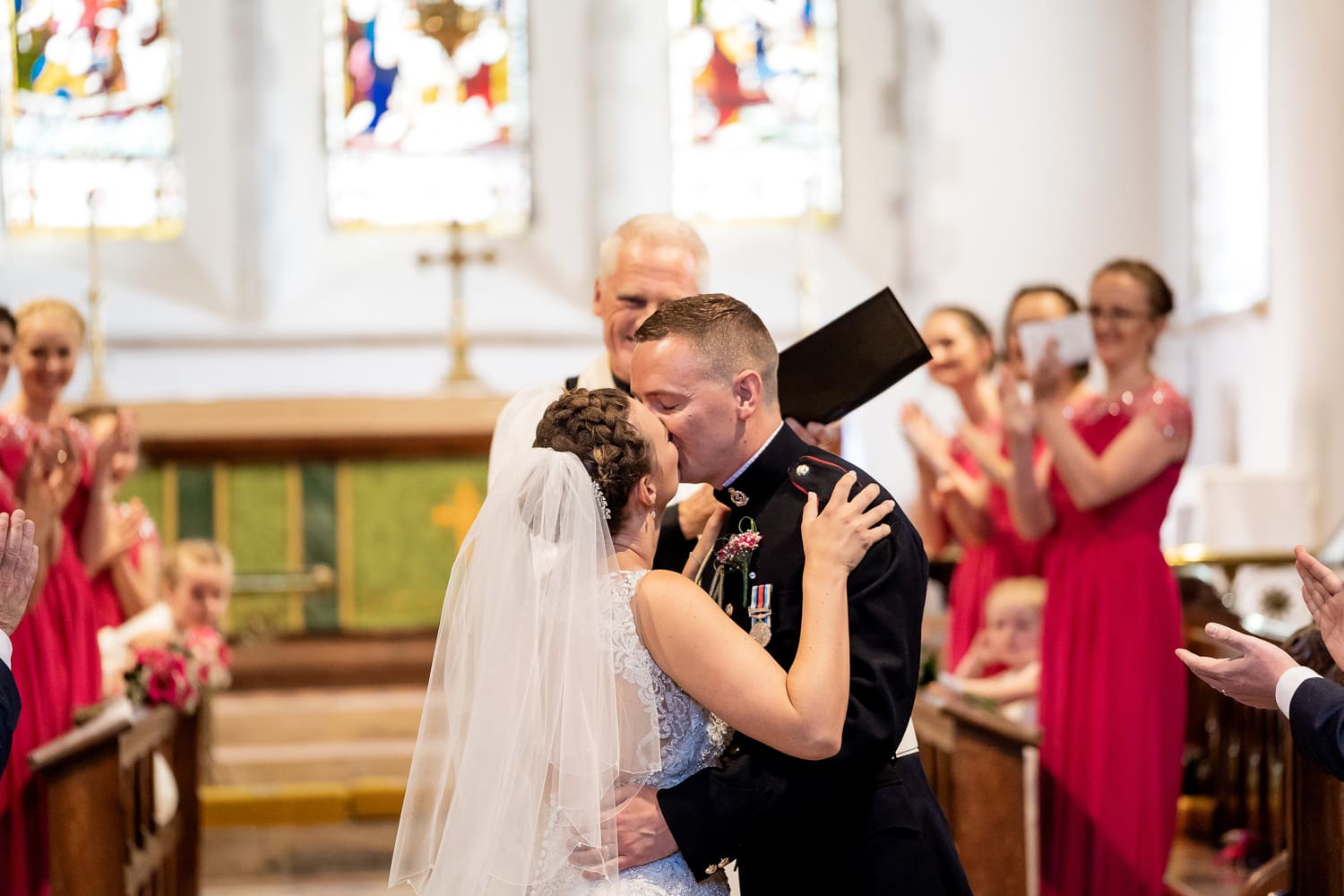
The release of emotion as the ceremony ends.

These moments are subtle and easy to miss in the moment. They are also the images couples return to most often later. This is where relaxed, documentary ceremony photography really matters, and where experience makes a difference.

Civil, church, and outdoor ceremonies

Every ceremony space has its own rhythm and challenges. My approach adapts without changing how I work.
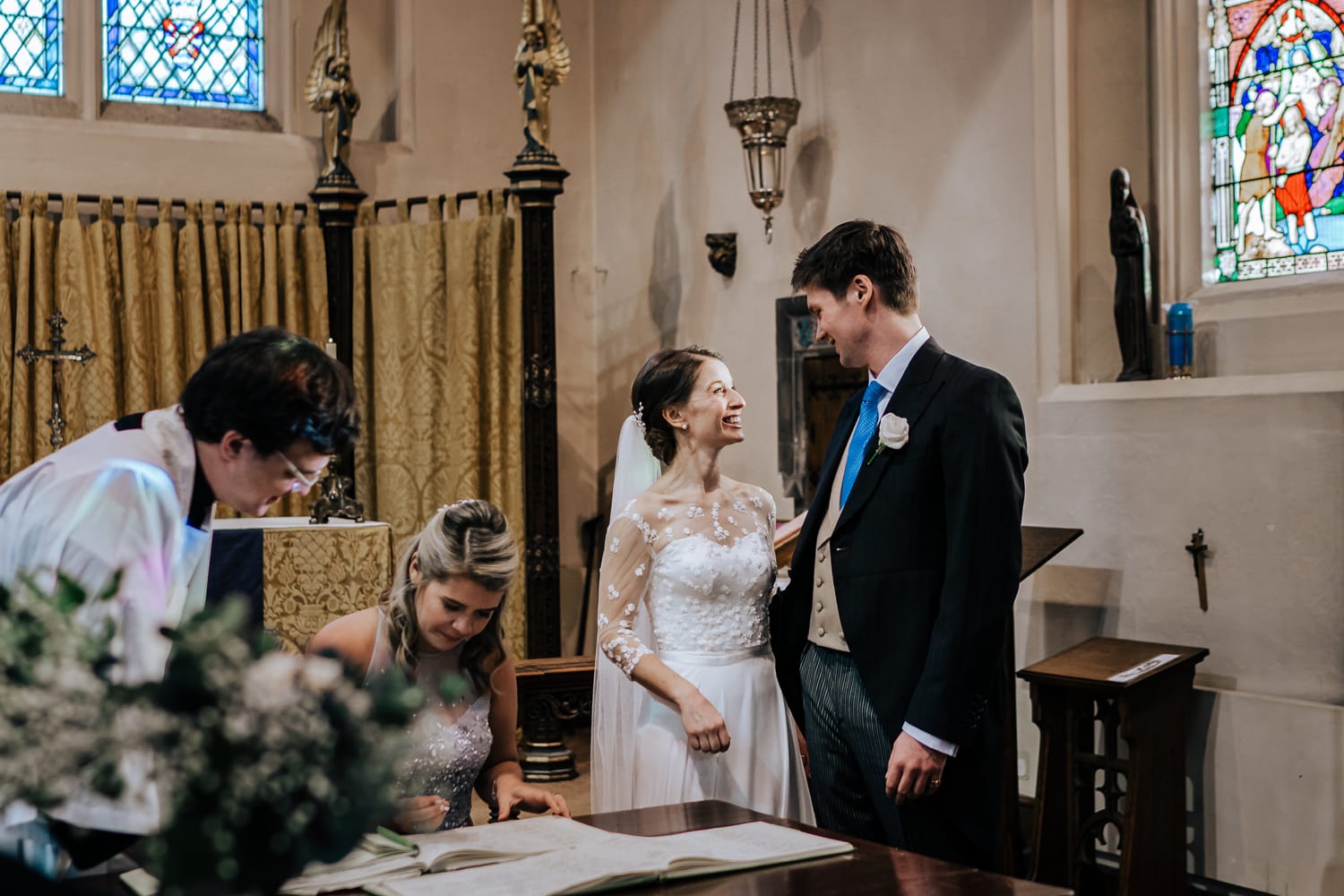
Civil ceremonies
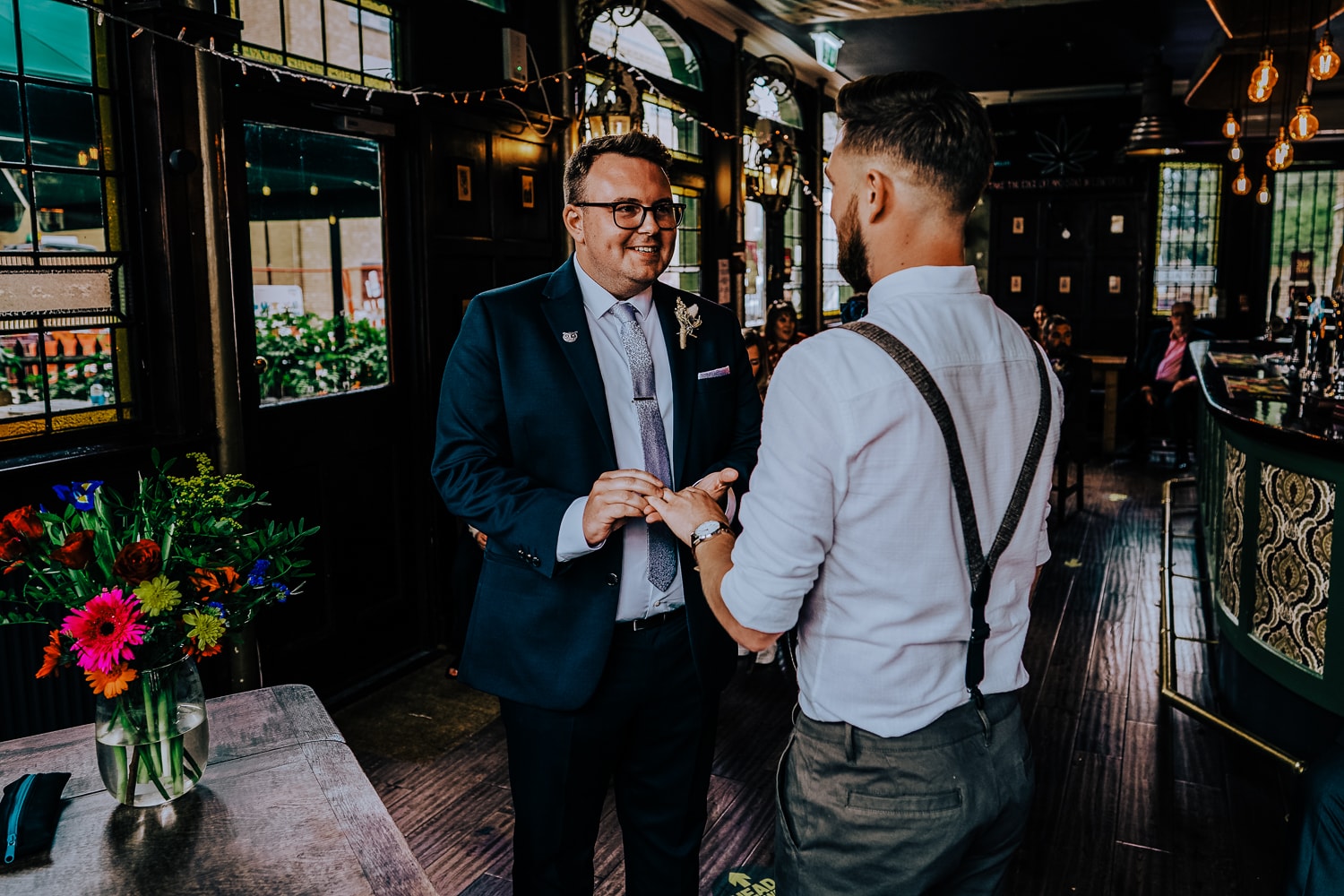
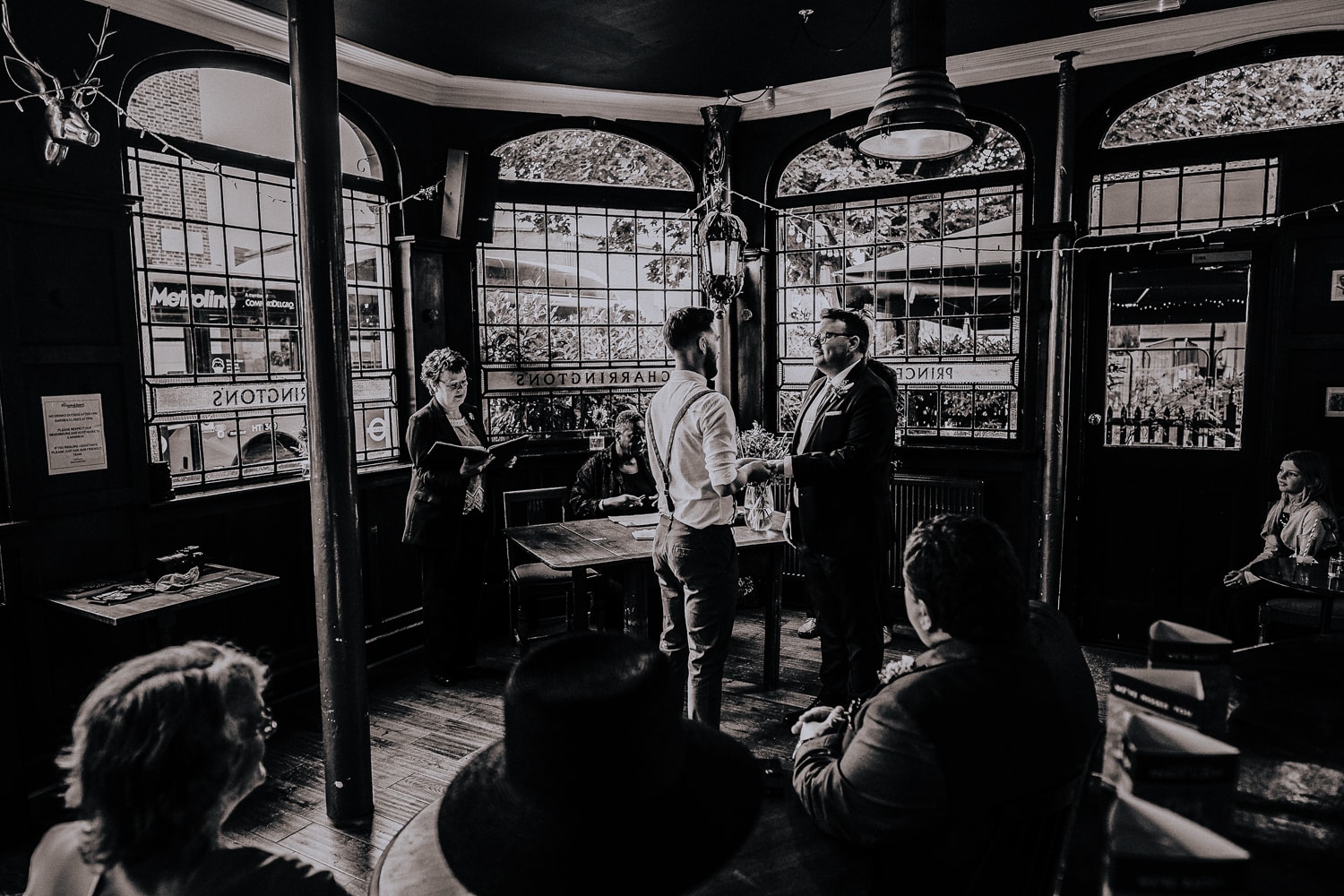
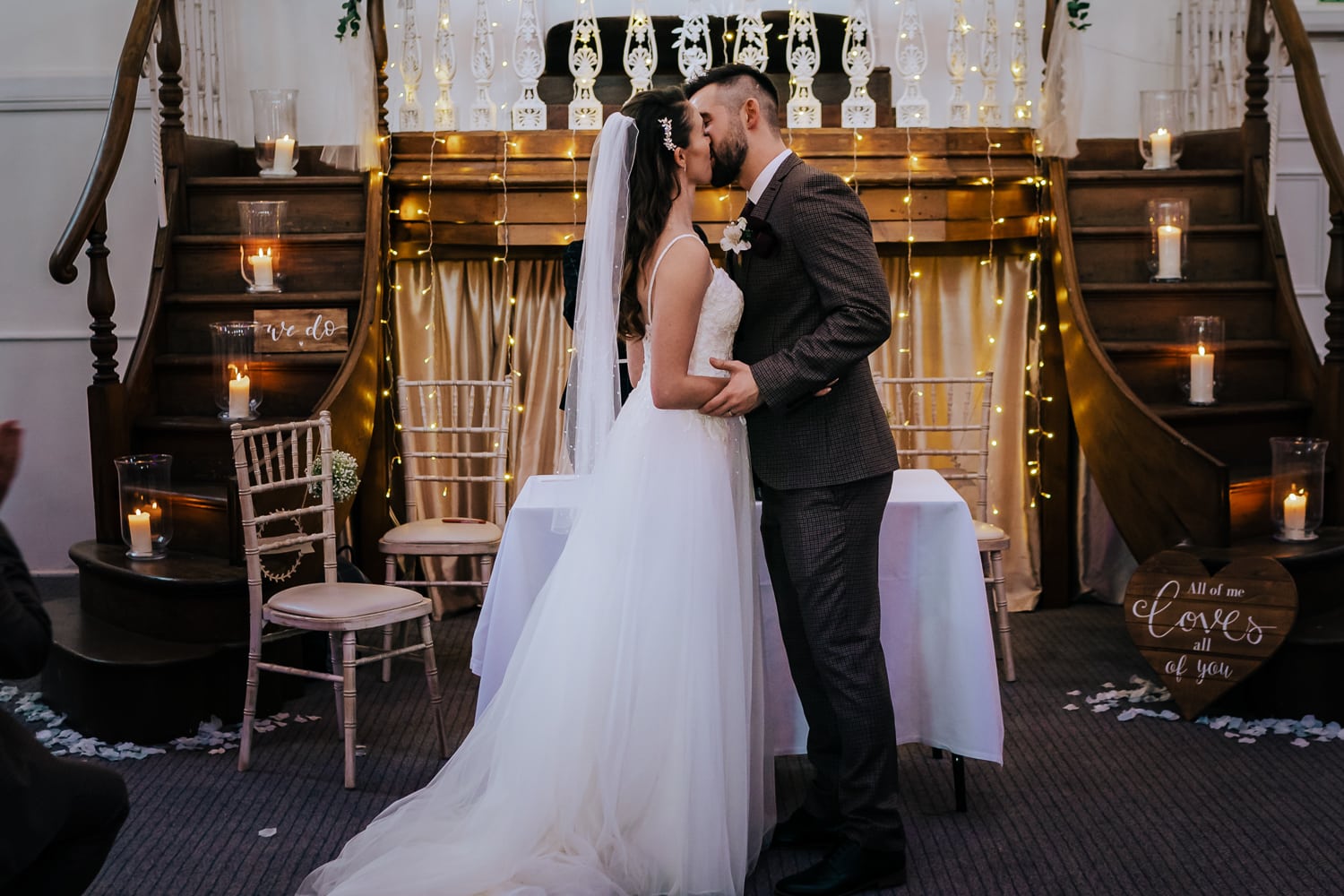
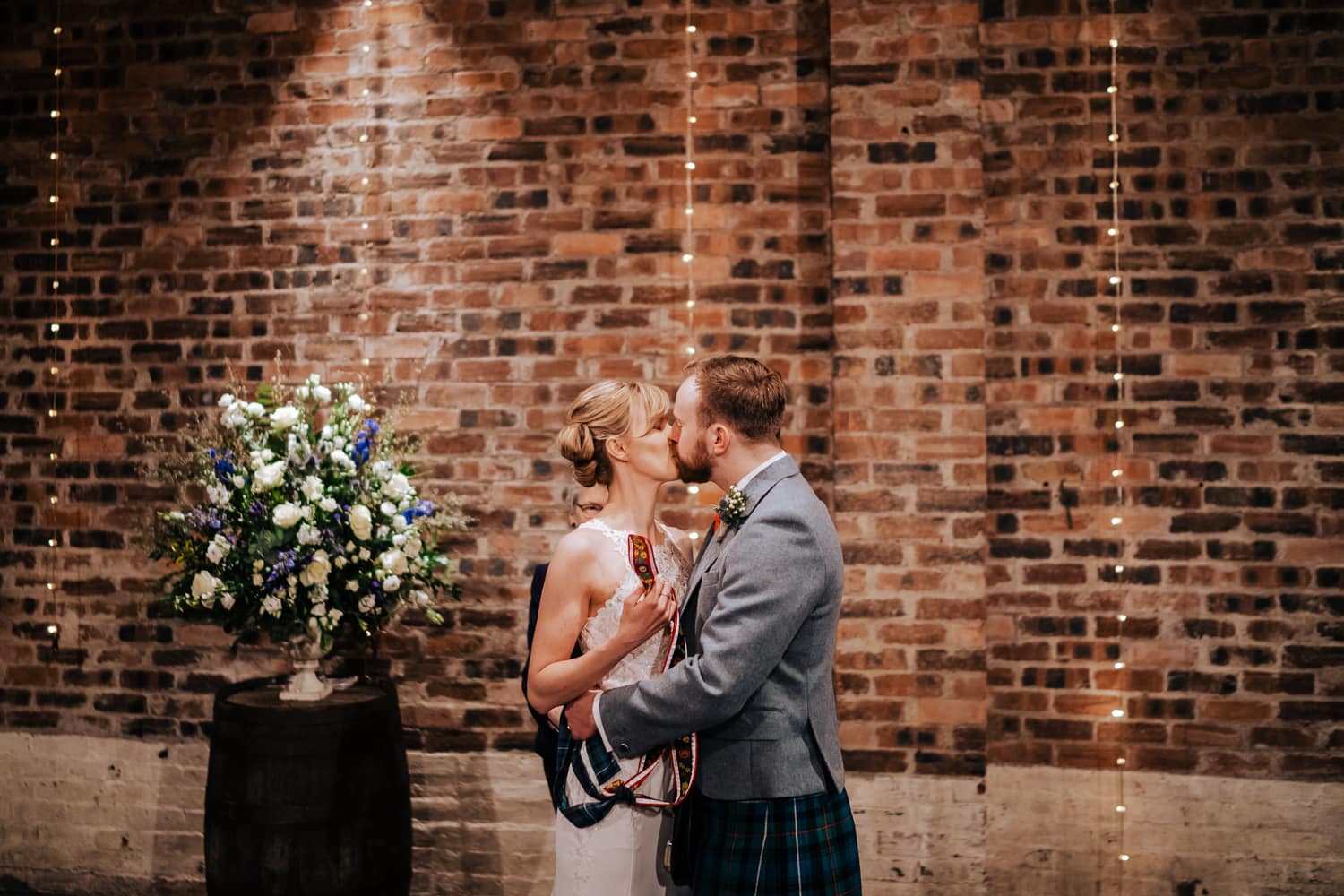
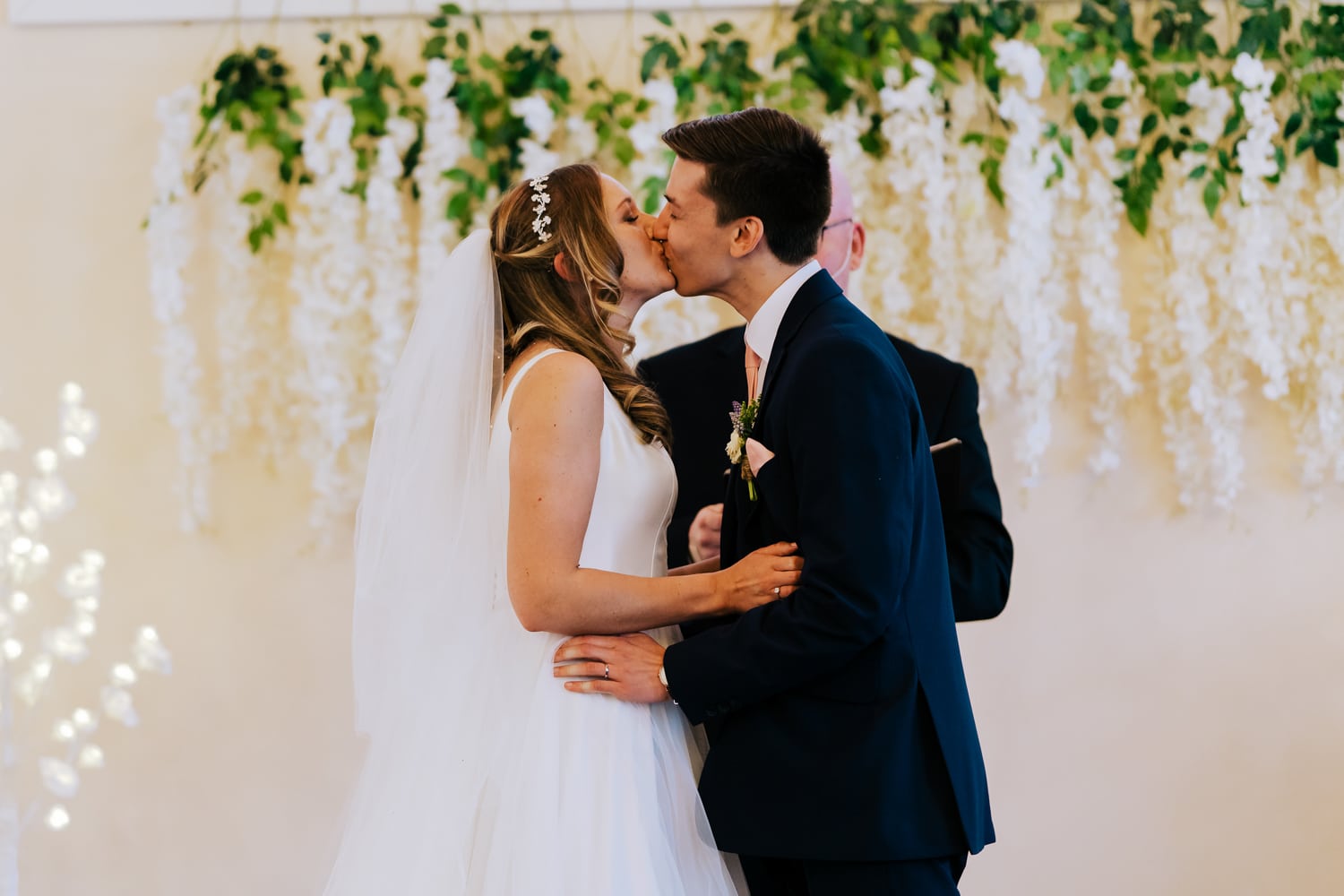
These are often short and tightly timed. I work efficiently and anticipate moments so nothing is missed, even in smaller rooms with limited space. This is common across venues throughout Sussex and surrounding counties.

Church ceremonies
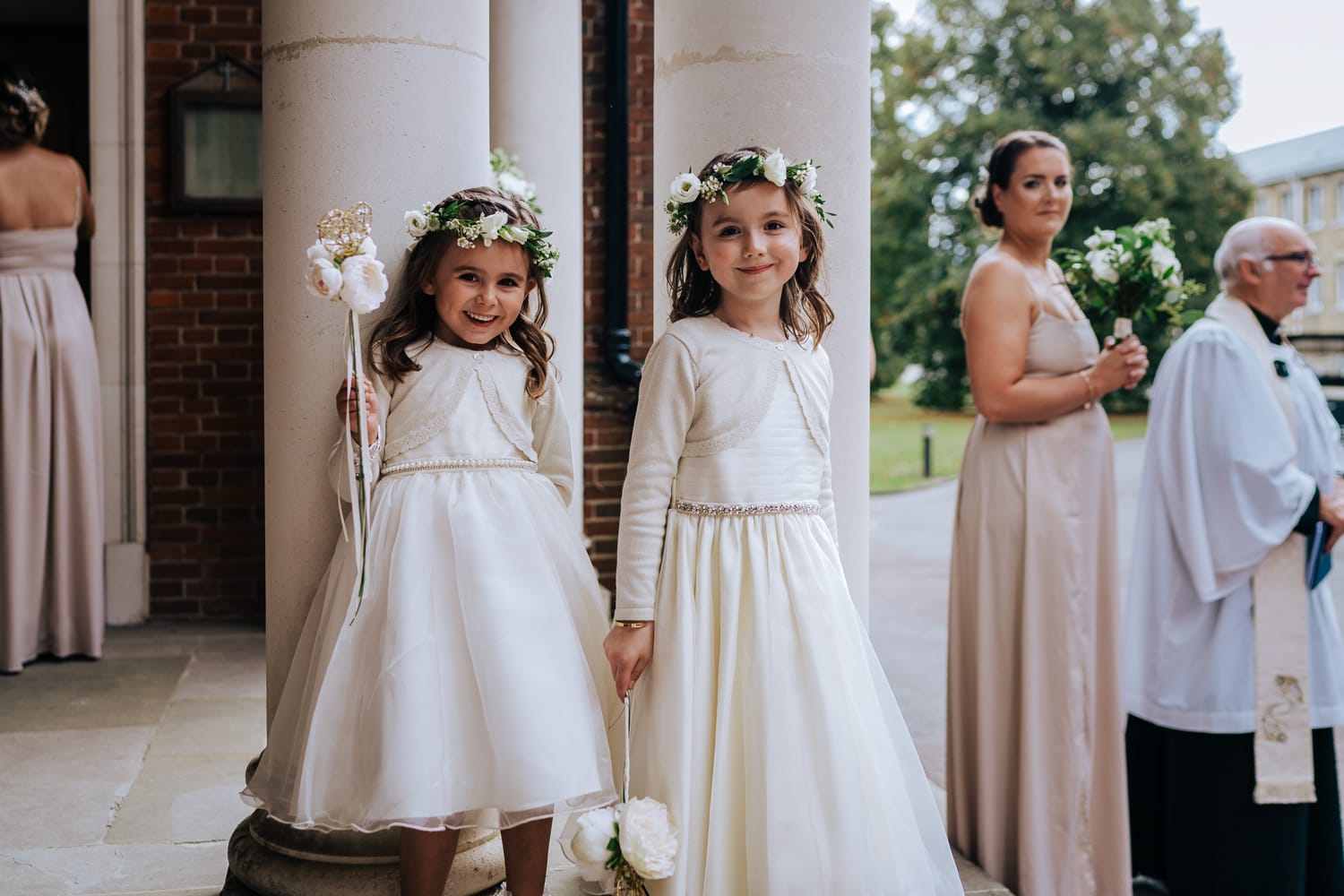
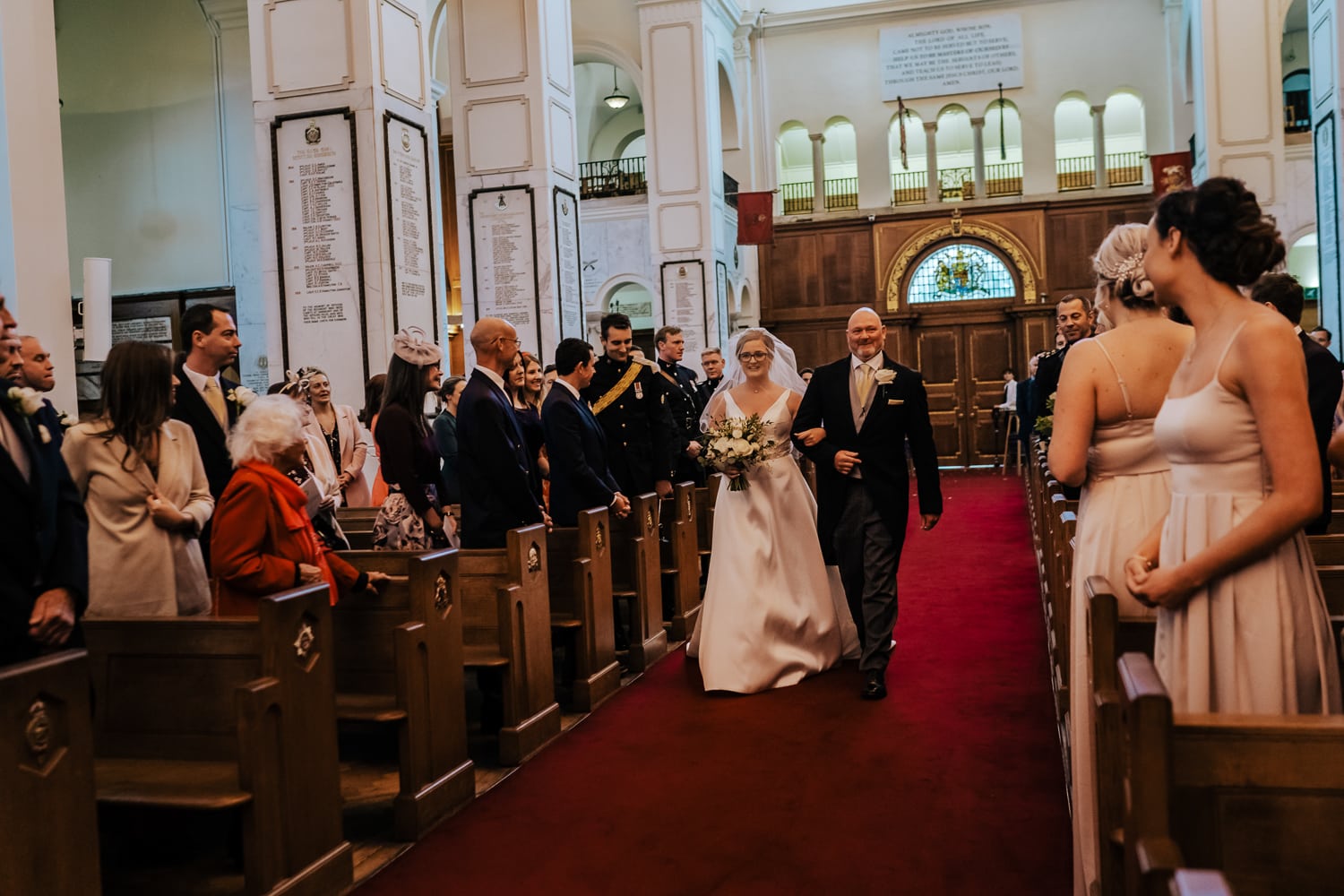
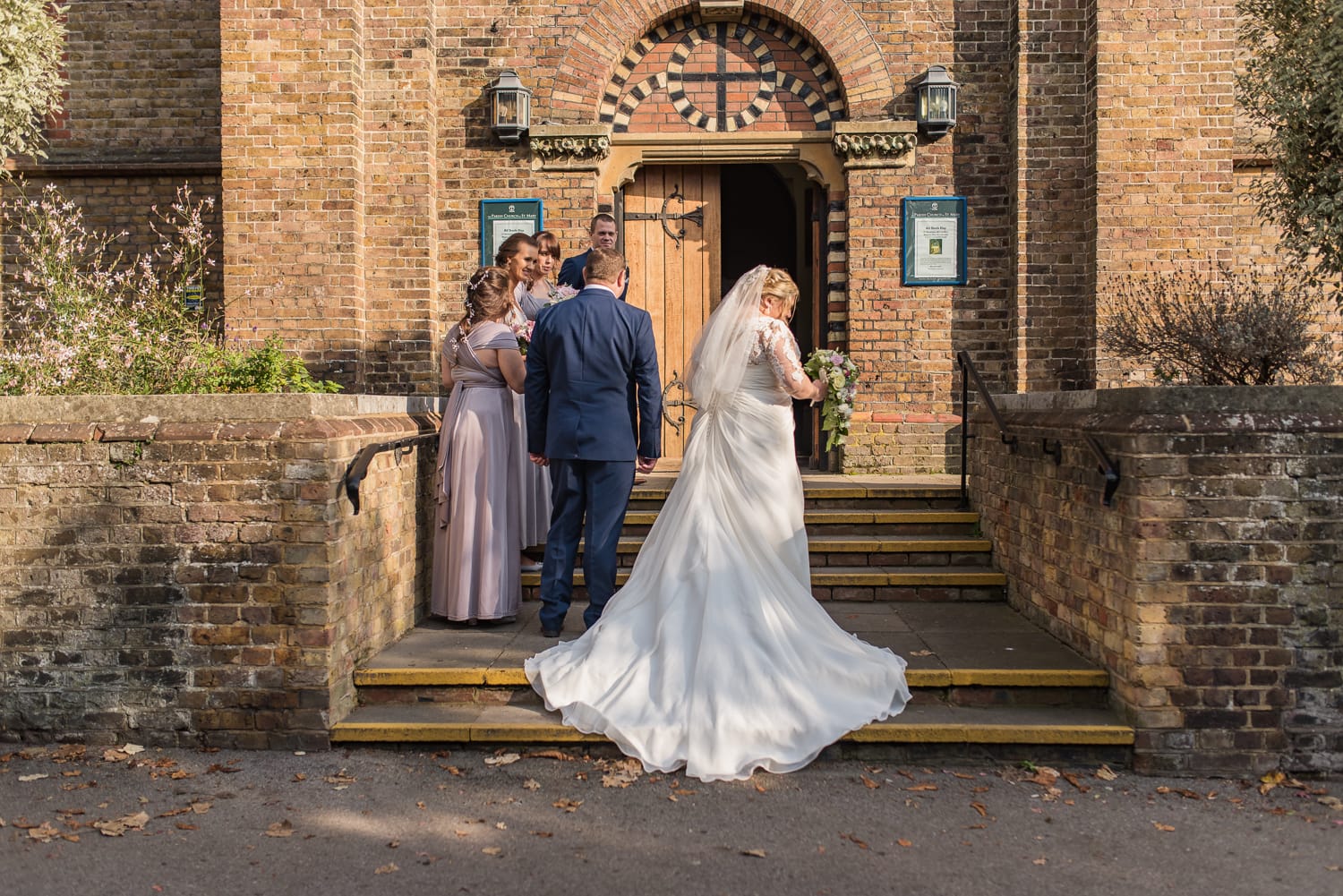
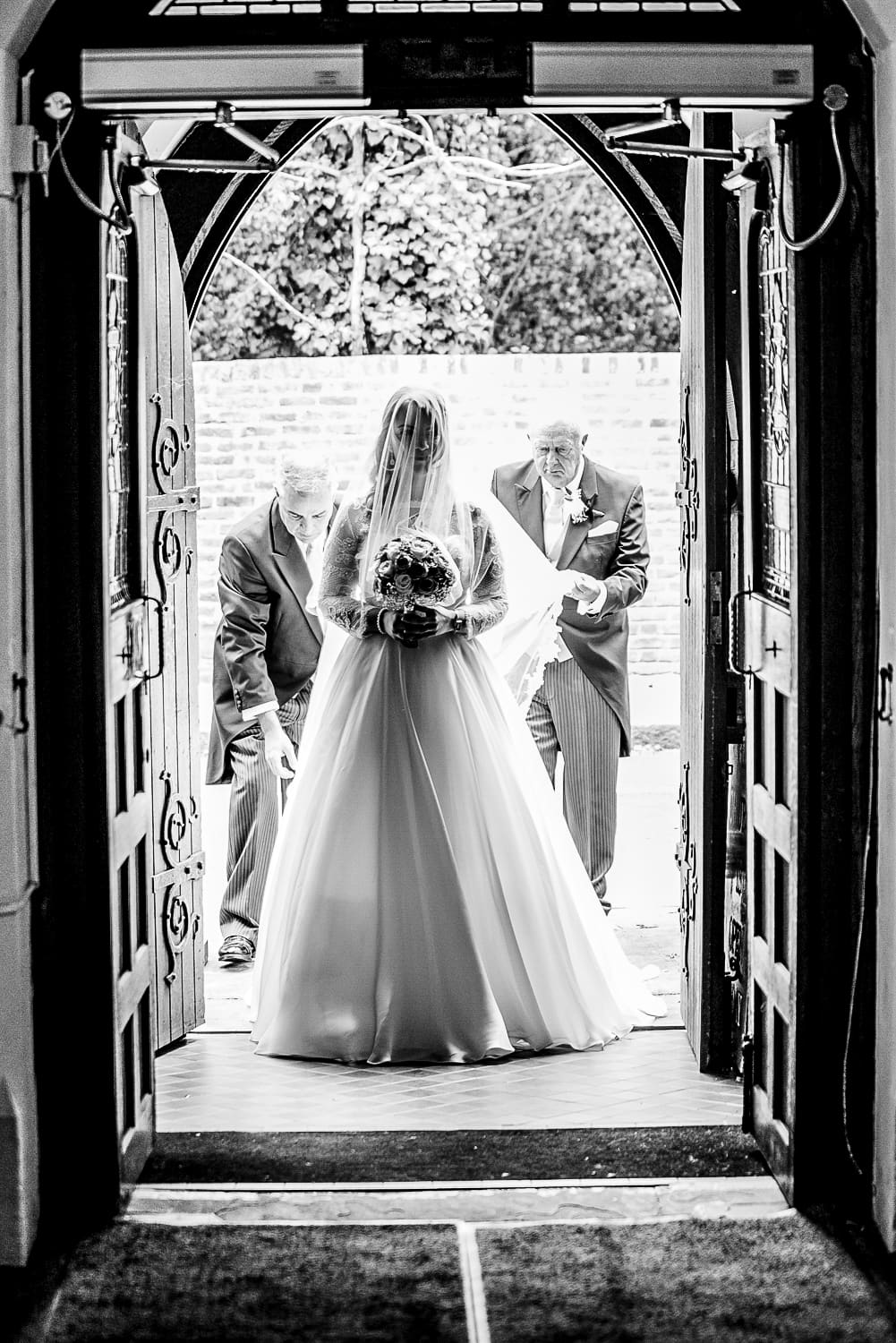
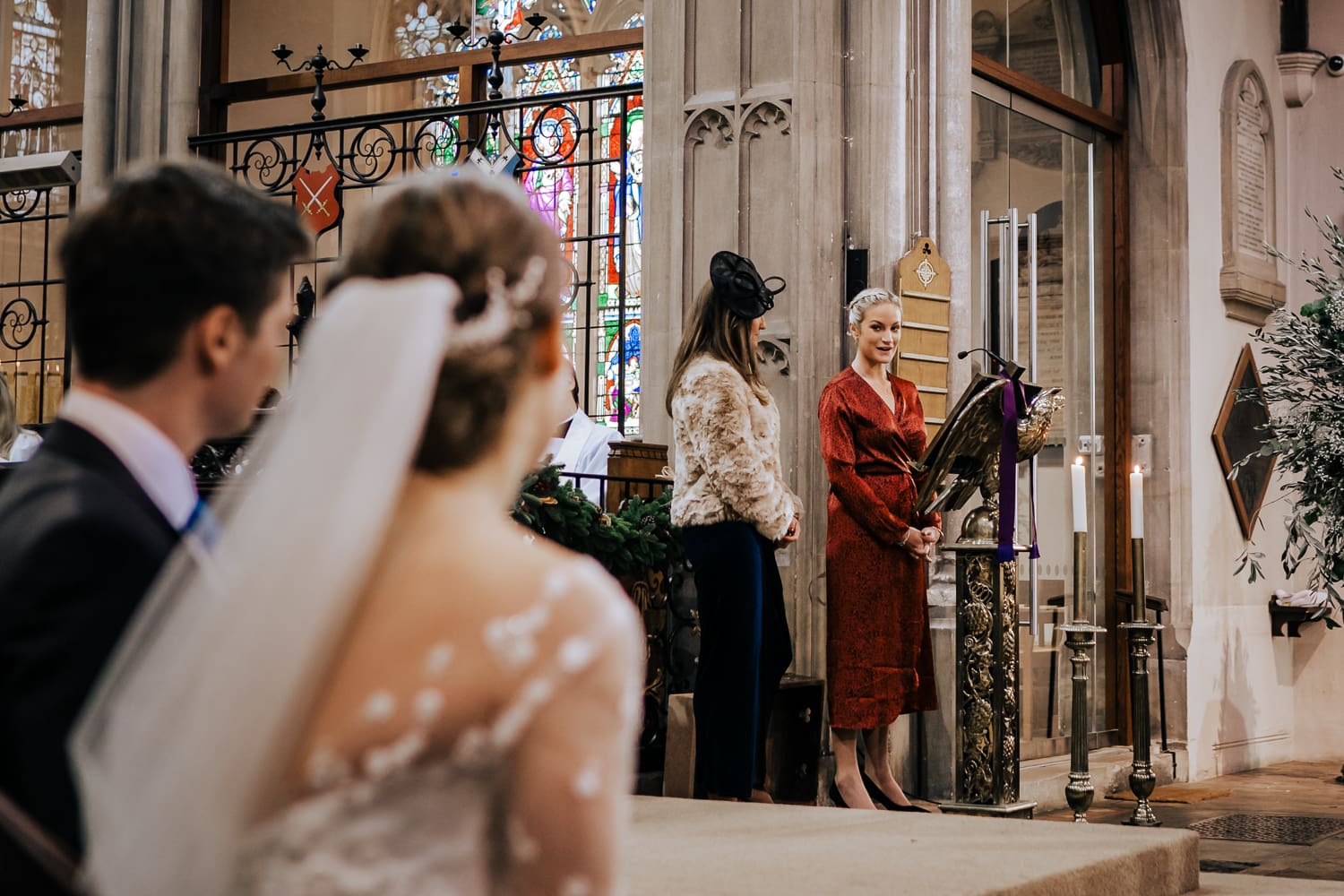
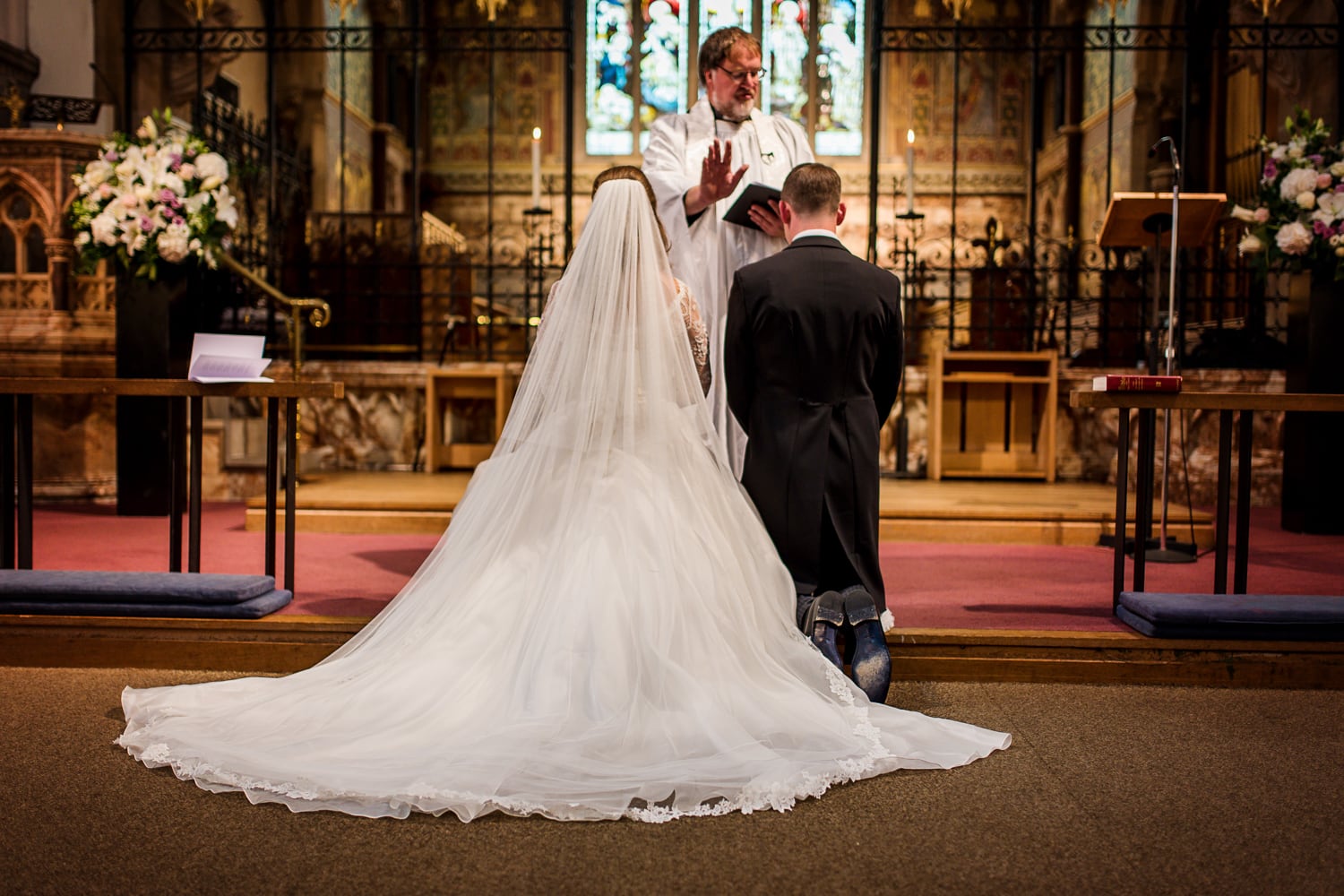
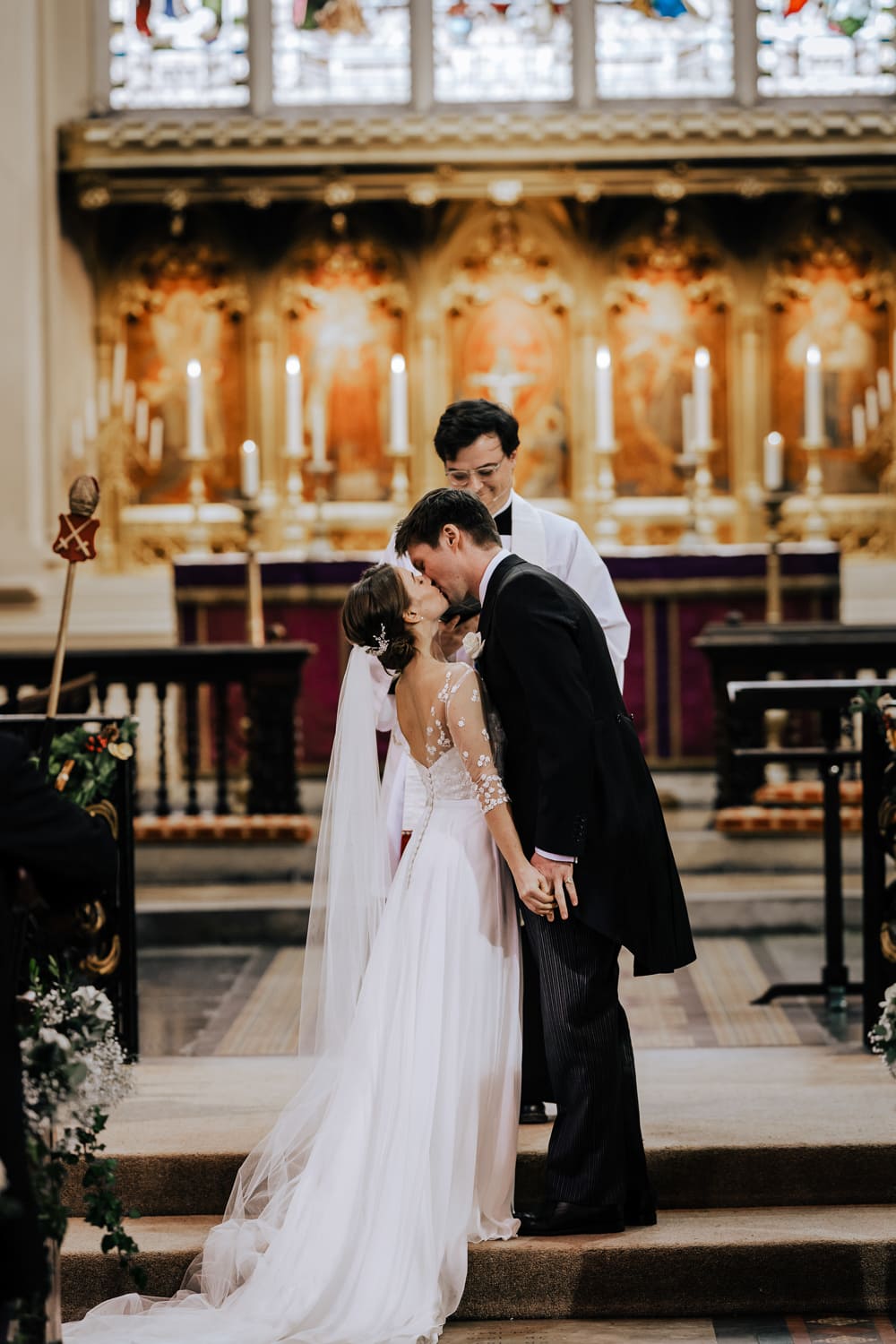
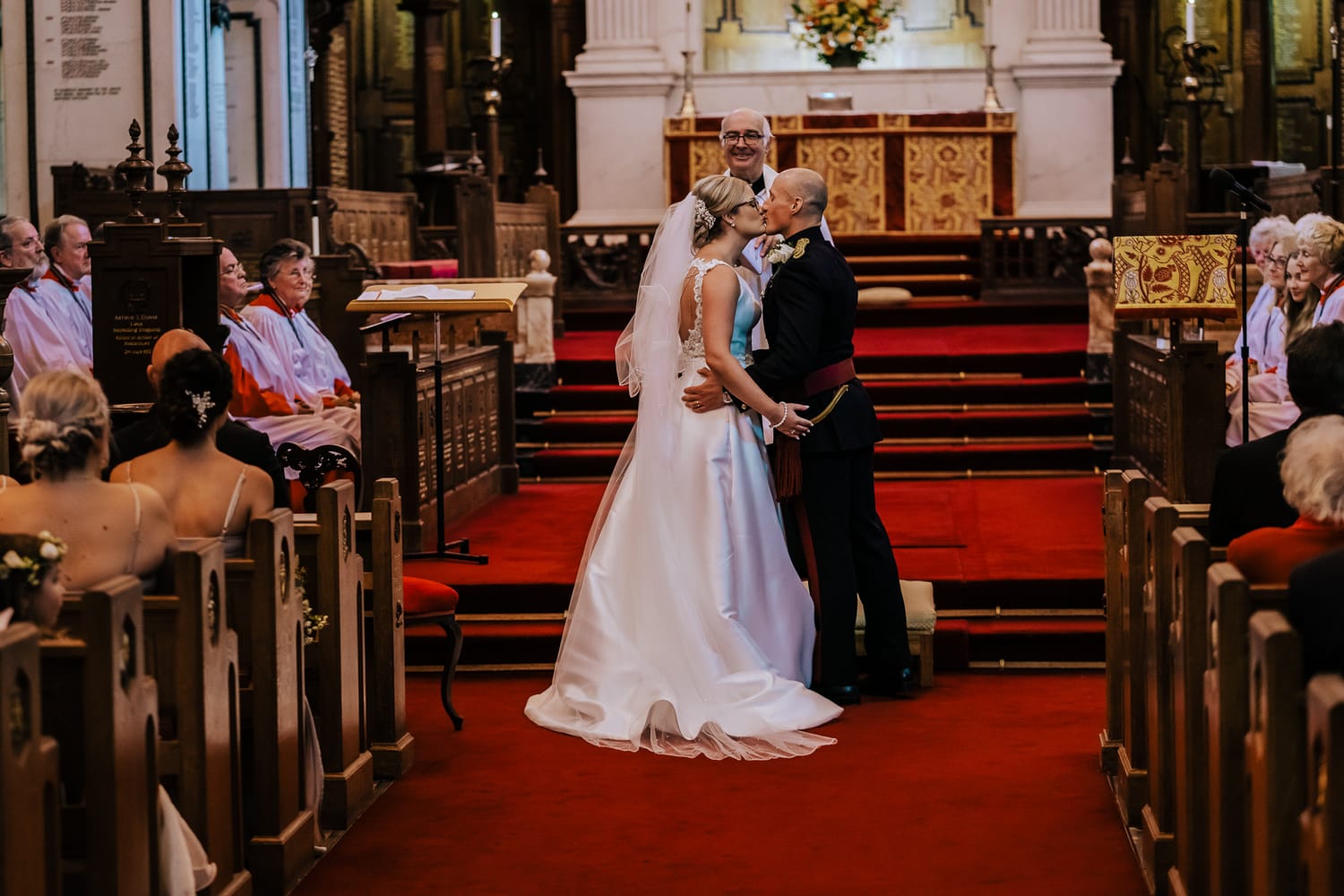
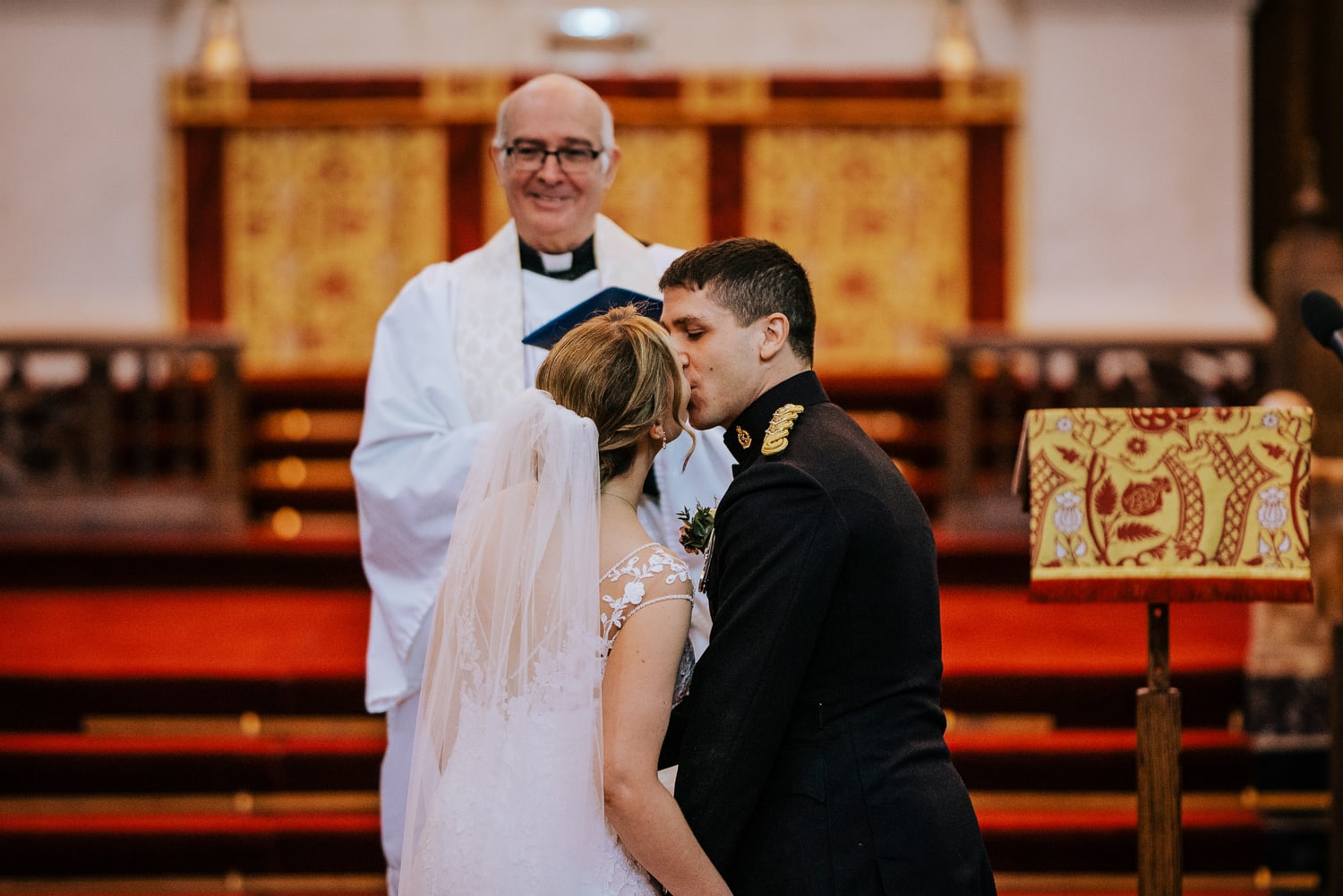
Churches often involve longer aisles, lower light, and specific photography rules. Each vicar will have different guidance. I work respectfully within those boundaries and focus on storytelling rather than coverage for the sake of it.

Outdoor ceremonies
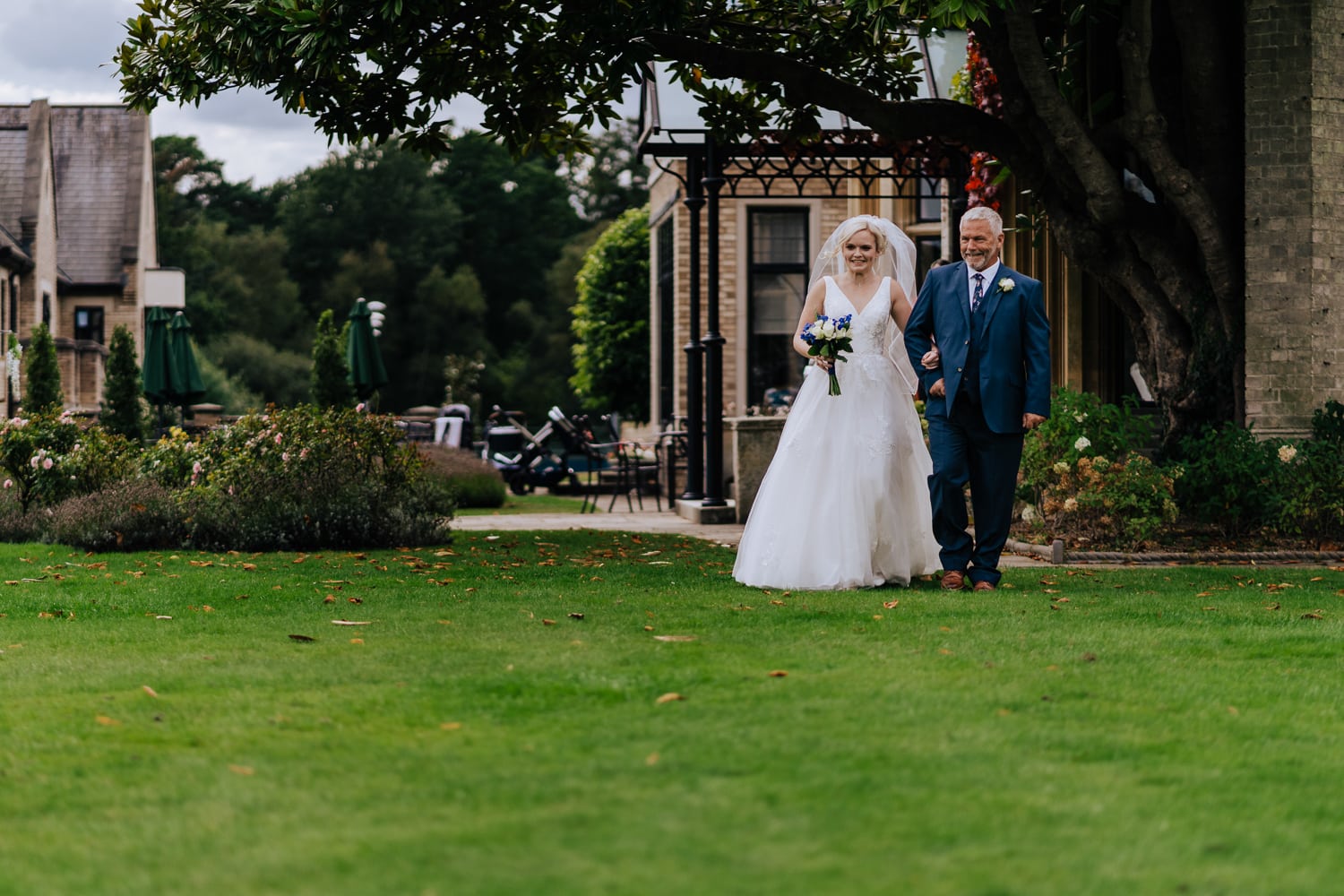
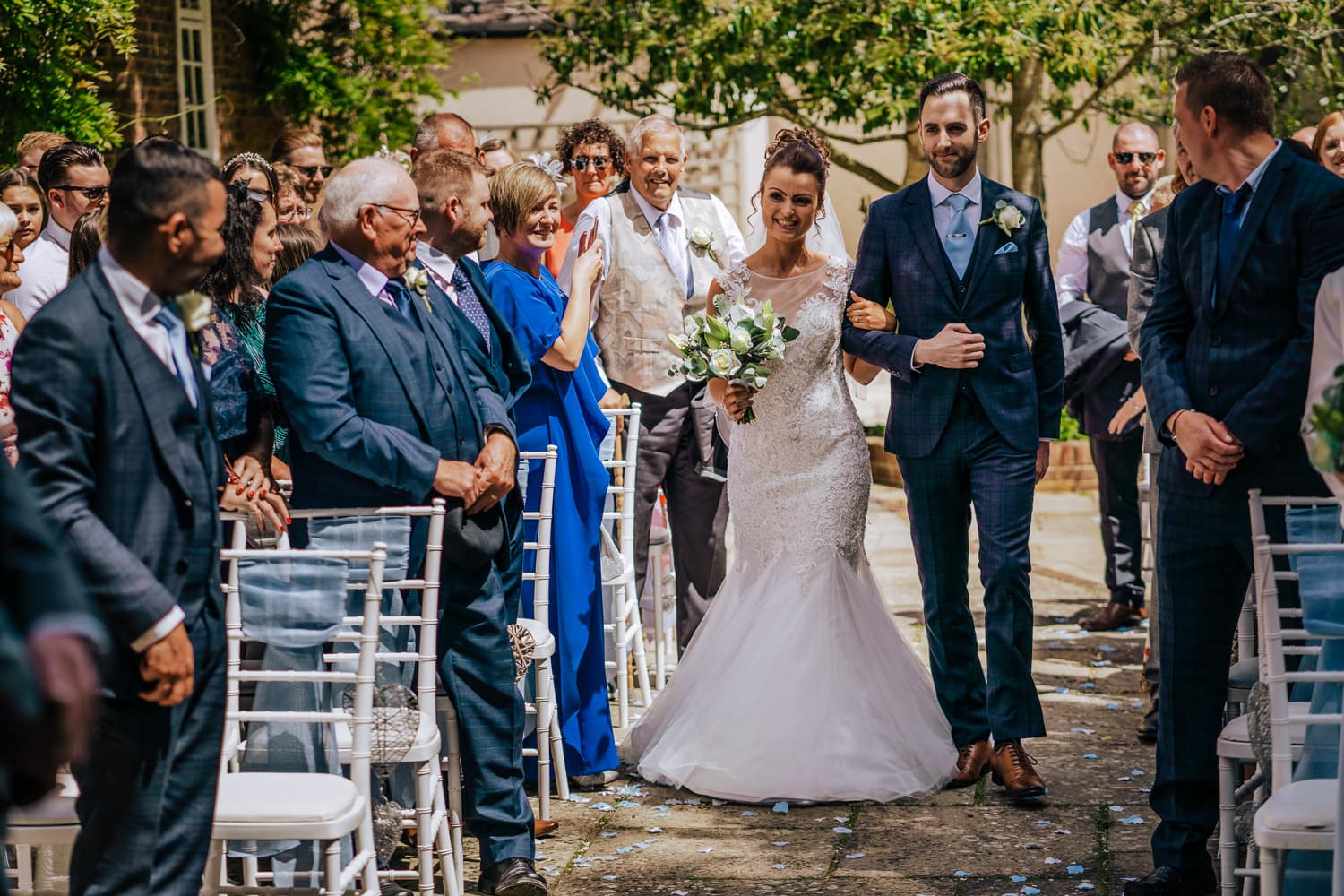
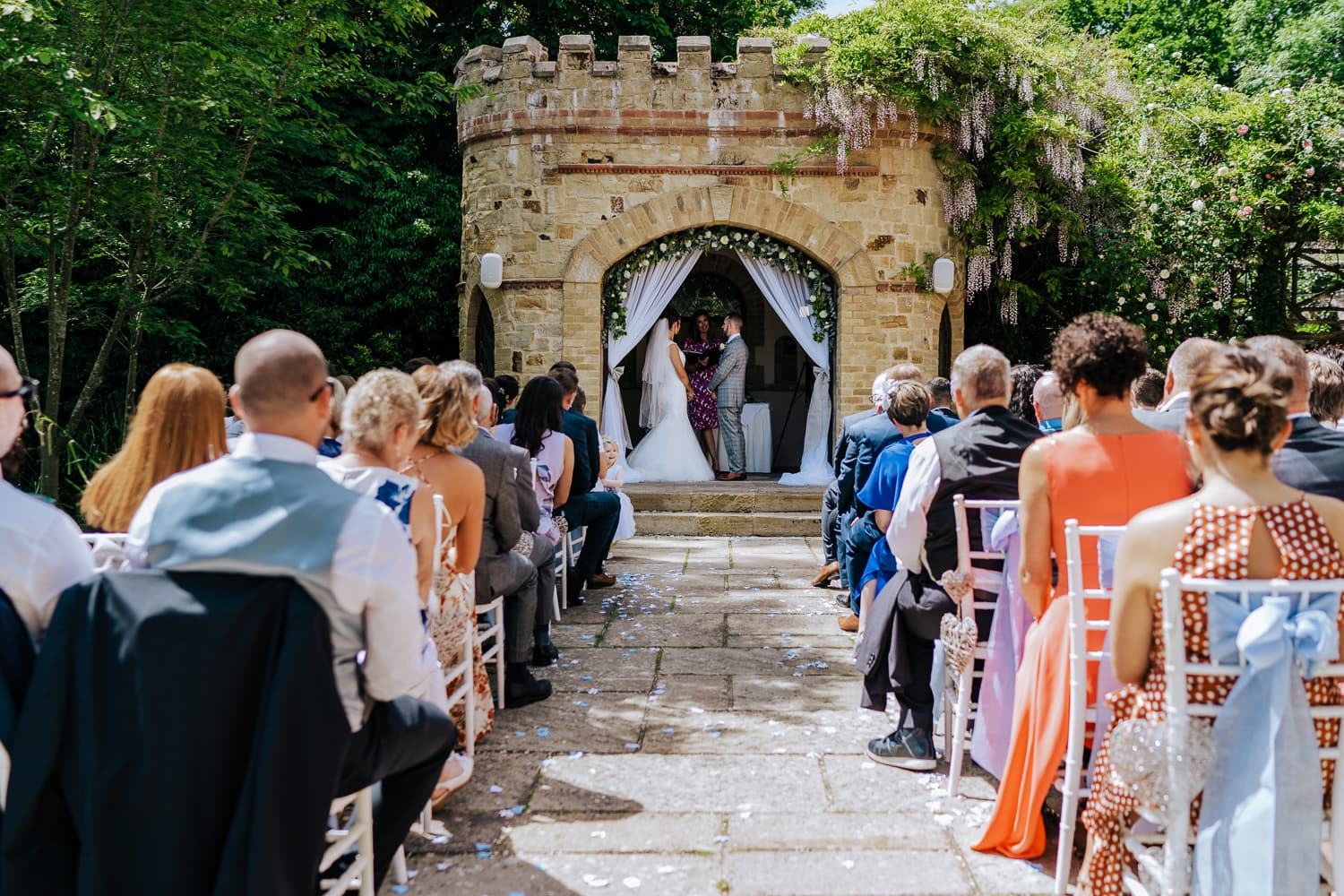
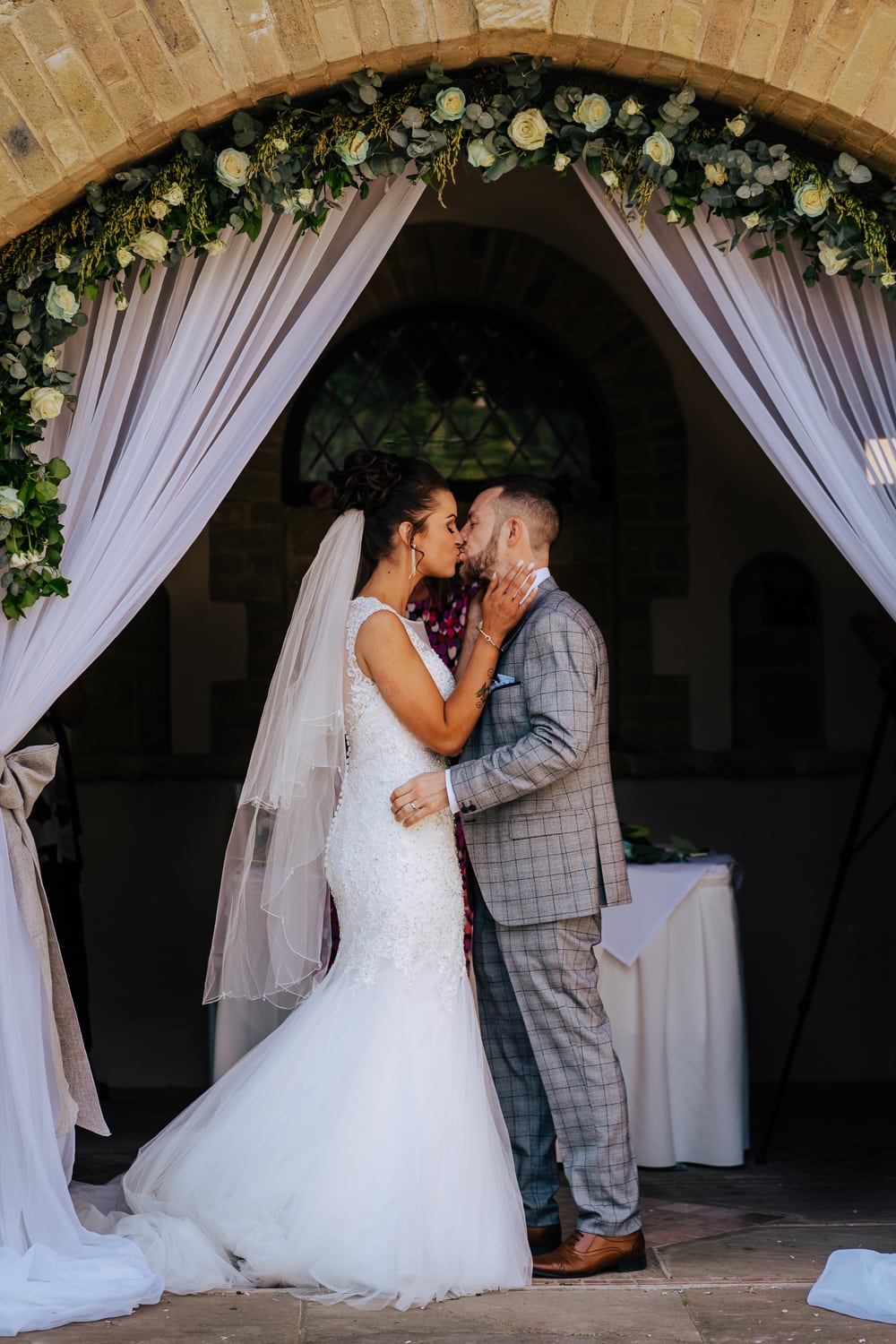
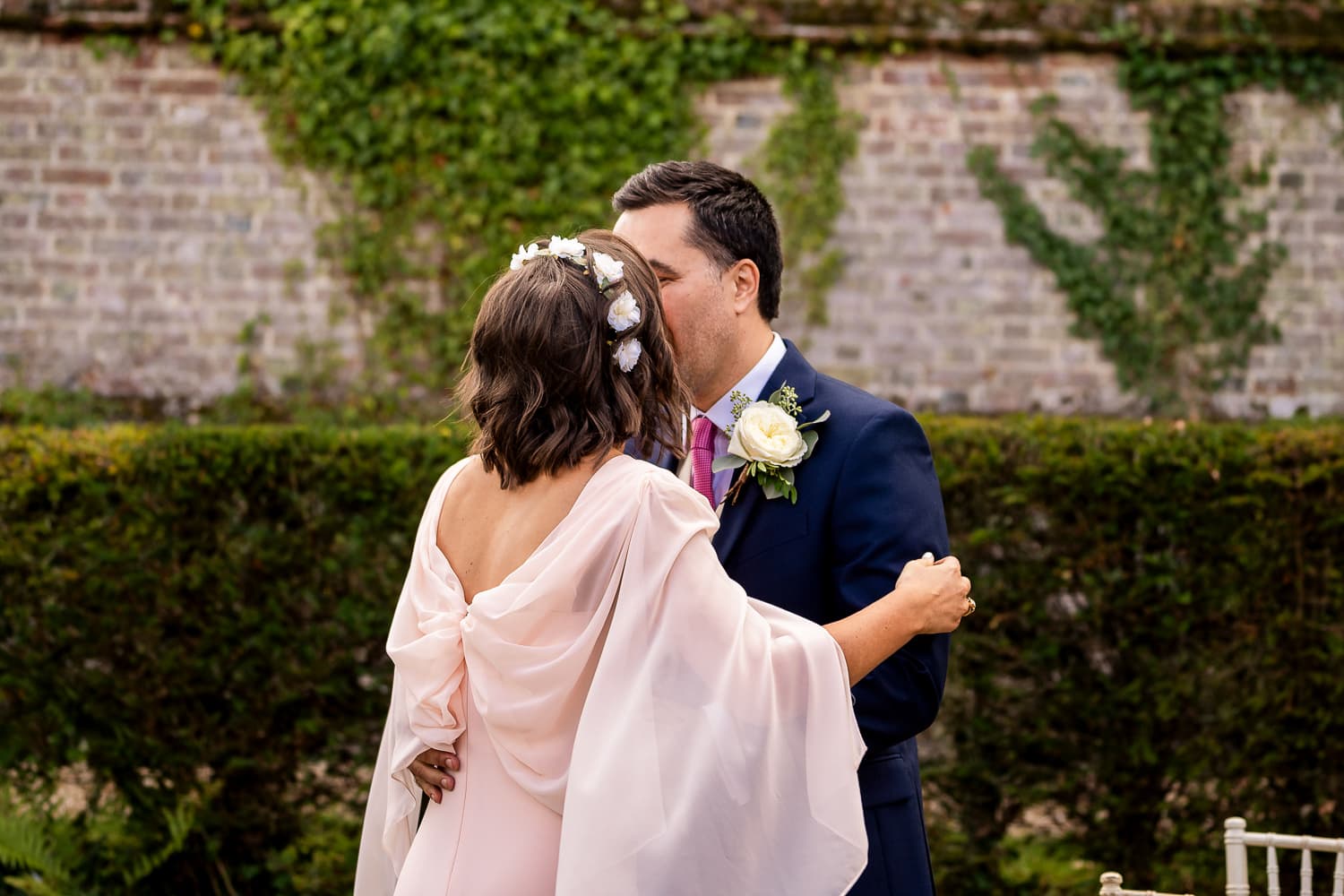
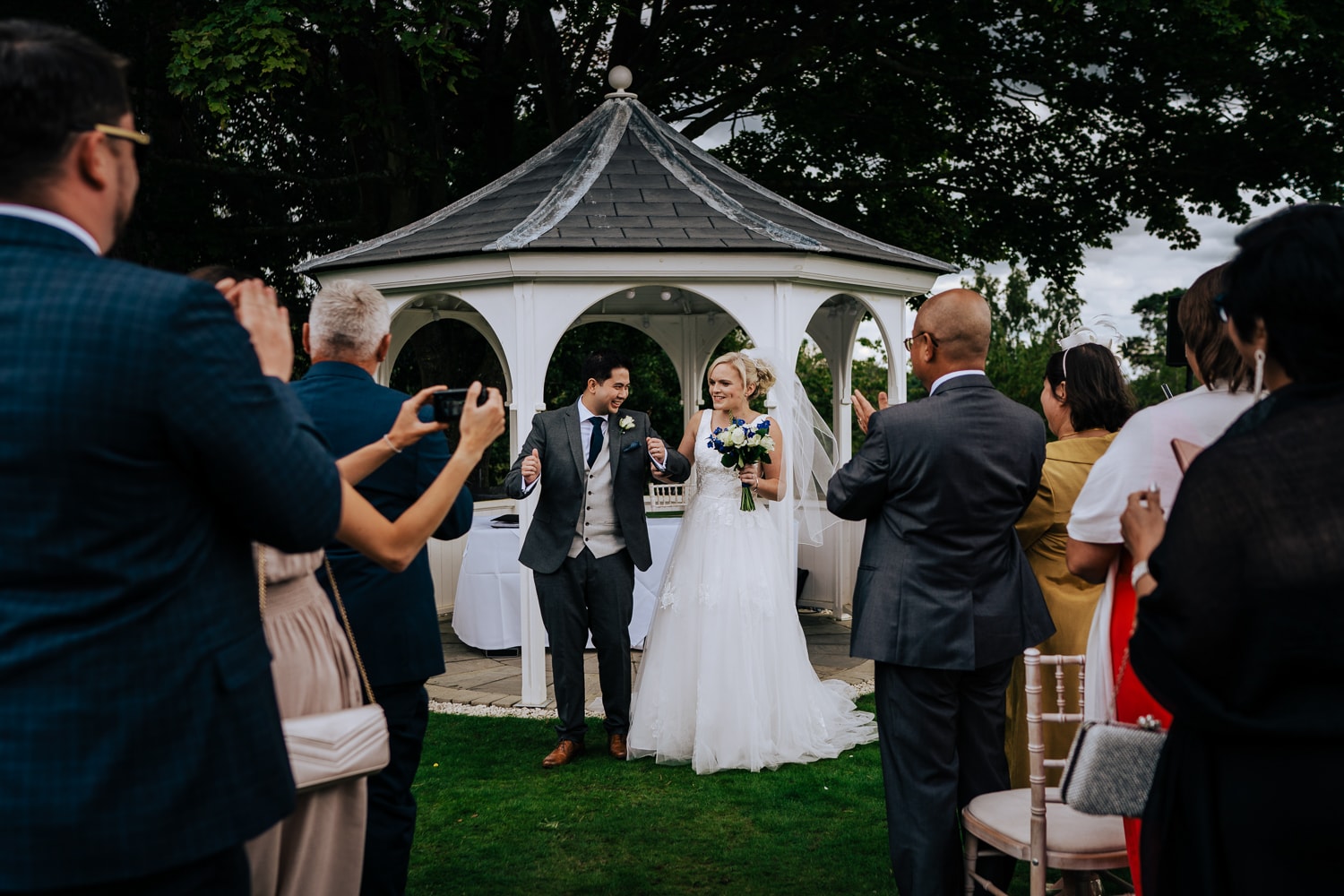
Light changes quickly outdoors. Wind, movement, and guest reactions all play a part. I work with the conditions as they are, capturing the natural feel of the setting rather than trying to control it.

If you are planning your day, my wedding day timeline guide will help you shape your whole day based around your ceremony time!

How I photograph Wedding Ceremonies

I photograph ceremonies quietly and with intention.

I move only when needed. I anticipate moments rather than reacting late. I avoid drawing attention to myself or interrupting the flow of the ceremony.

Nothing is staged. Nothing is stopped. I do not ask you to repeat moments or perform for the camera. The focus stays on the ceremony itself, exactly as it unfolds, allowing the day to move naturally into a relaxed reception and couples photos afterwards.

Where I stand and why

Where a photographer stands during the ceremony matters because it affects what can be seen, not just what can be photographed.

Where possible, I prefer to work closer to the front. This allows me to see faces clearly and capture real expressions rather than distant silhouettes. With civil ceremonies led by registrars or celebrants, this is usually straightforward unless the space is very cramped.

Church ceremonies can be more restrictive. Every vicar and church will have different rules about where photographers can stand or move. I always work within those guidelines while still positioning myself thoughtfully to capture genuine reactions.

My aim is simple. You should feel present in your ceremony, not aware of being photographed. That approach carries through the rest of the day, including the relaxed energy of the reception, your couples photos and the evening wedding photos later on.

Confetti moments after the ceremony

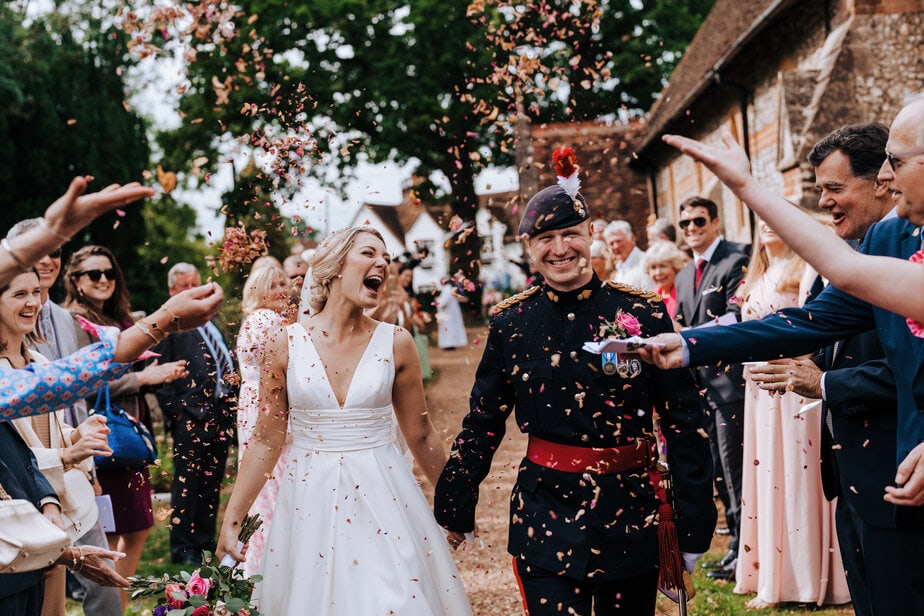
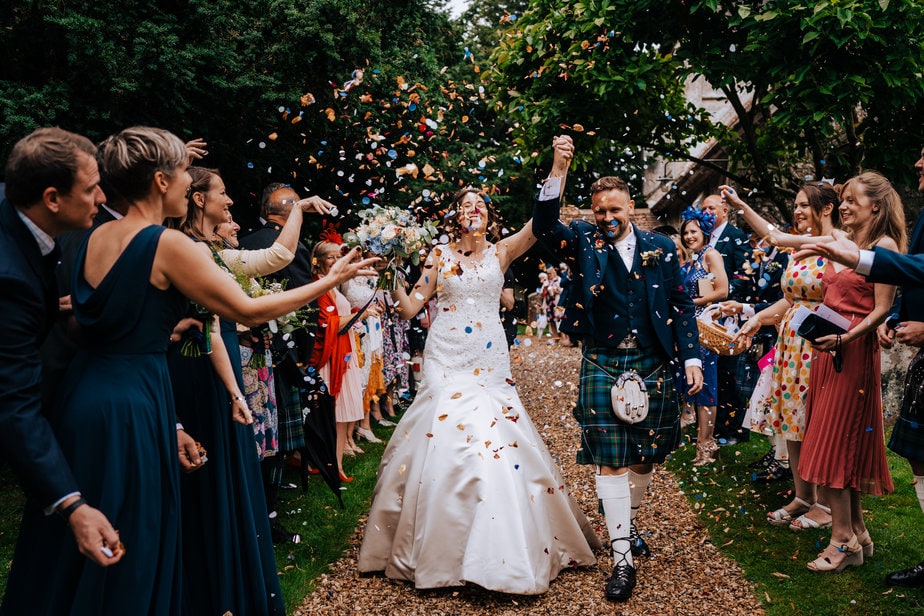
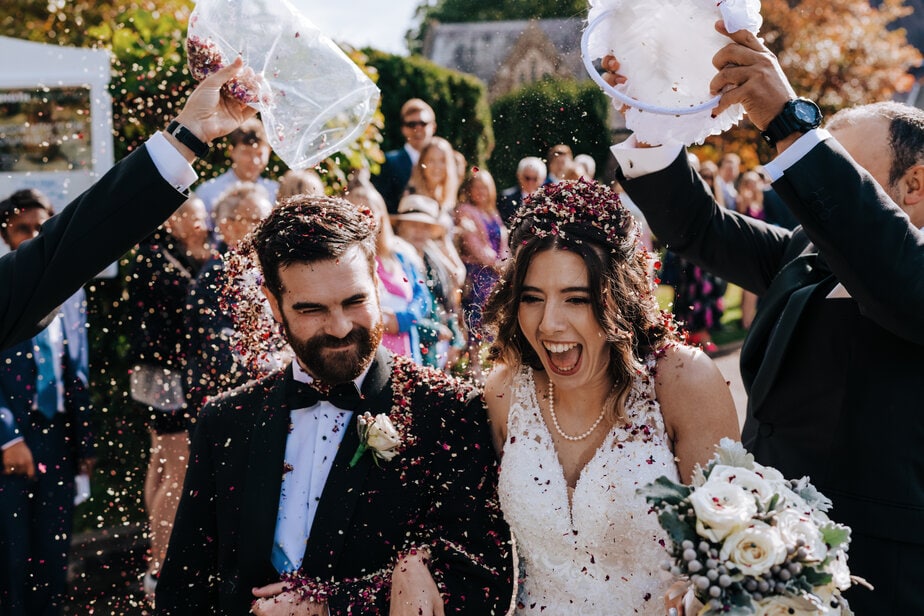
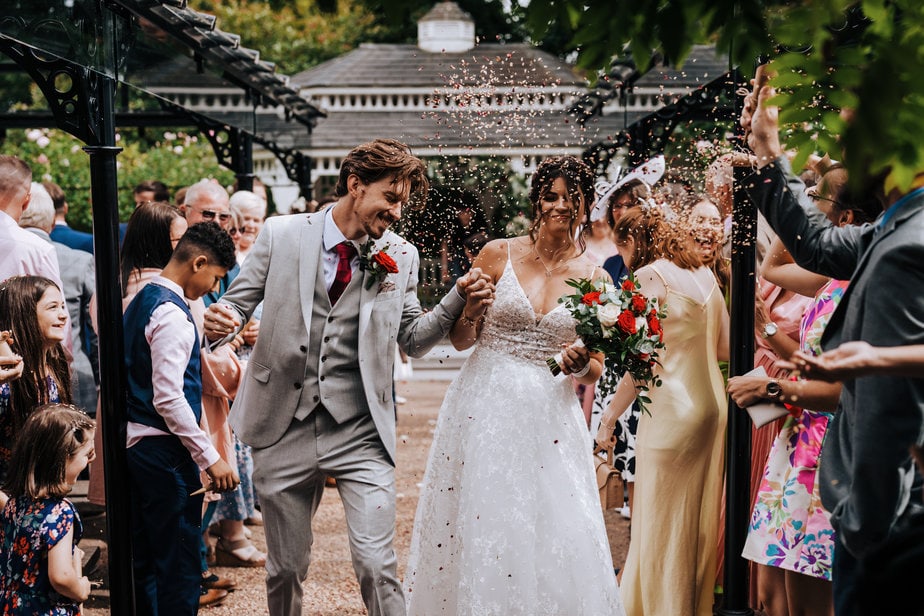
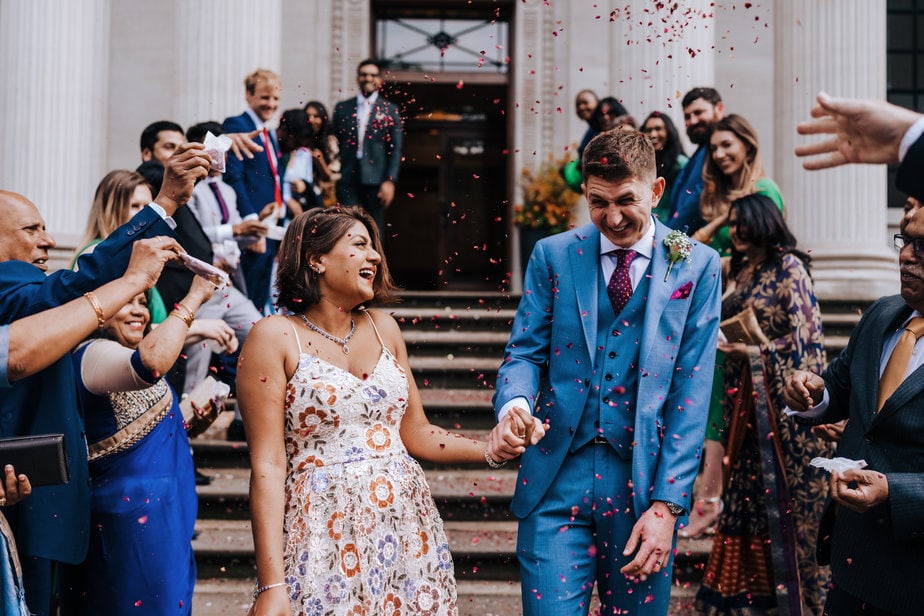
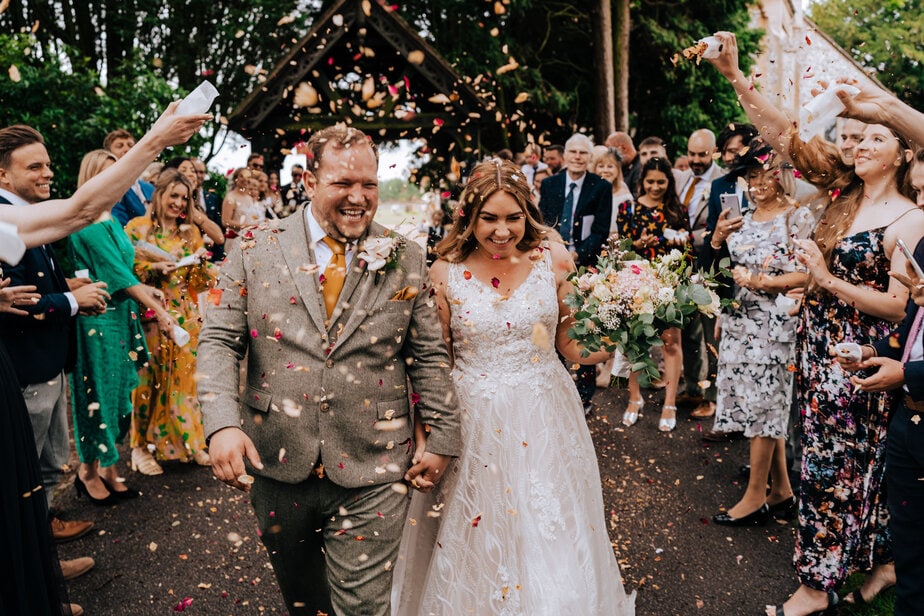
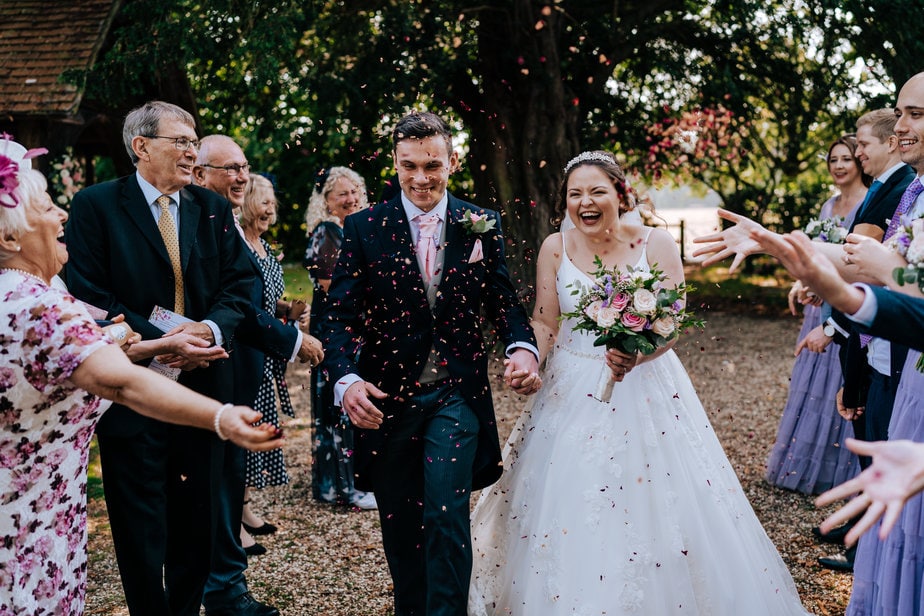
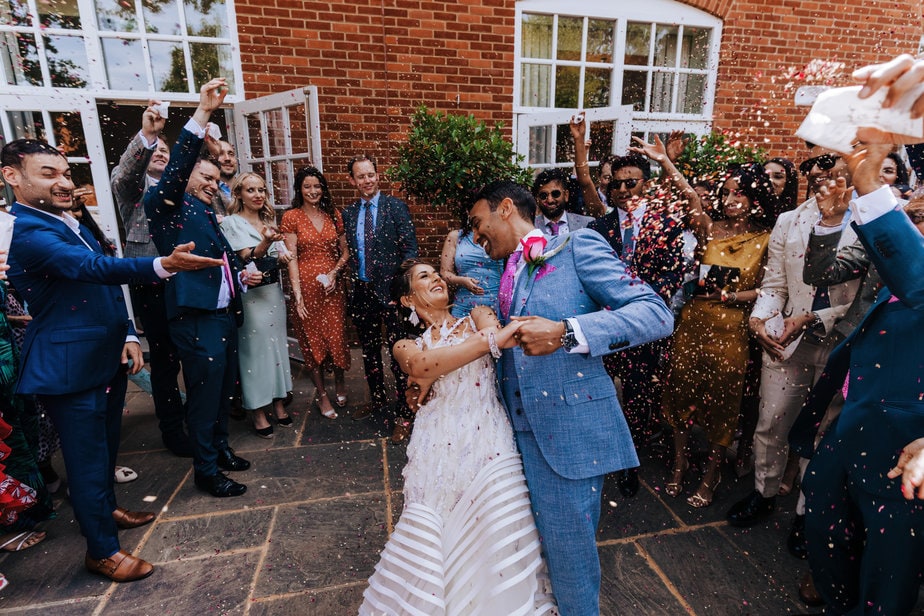
One of my favourite parts of a wedding day is the moment straight after the ceremony.

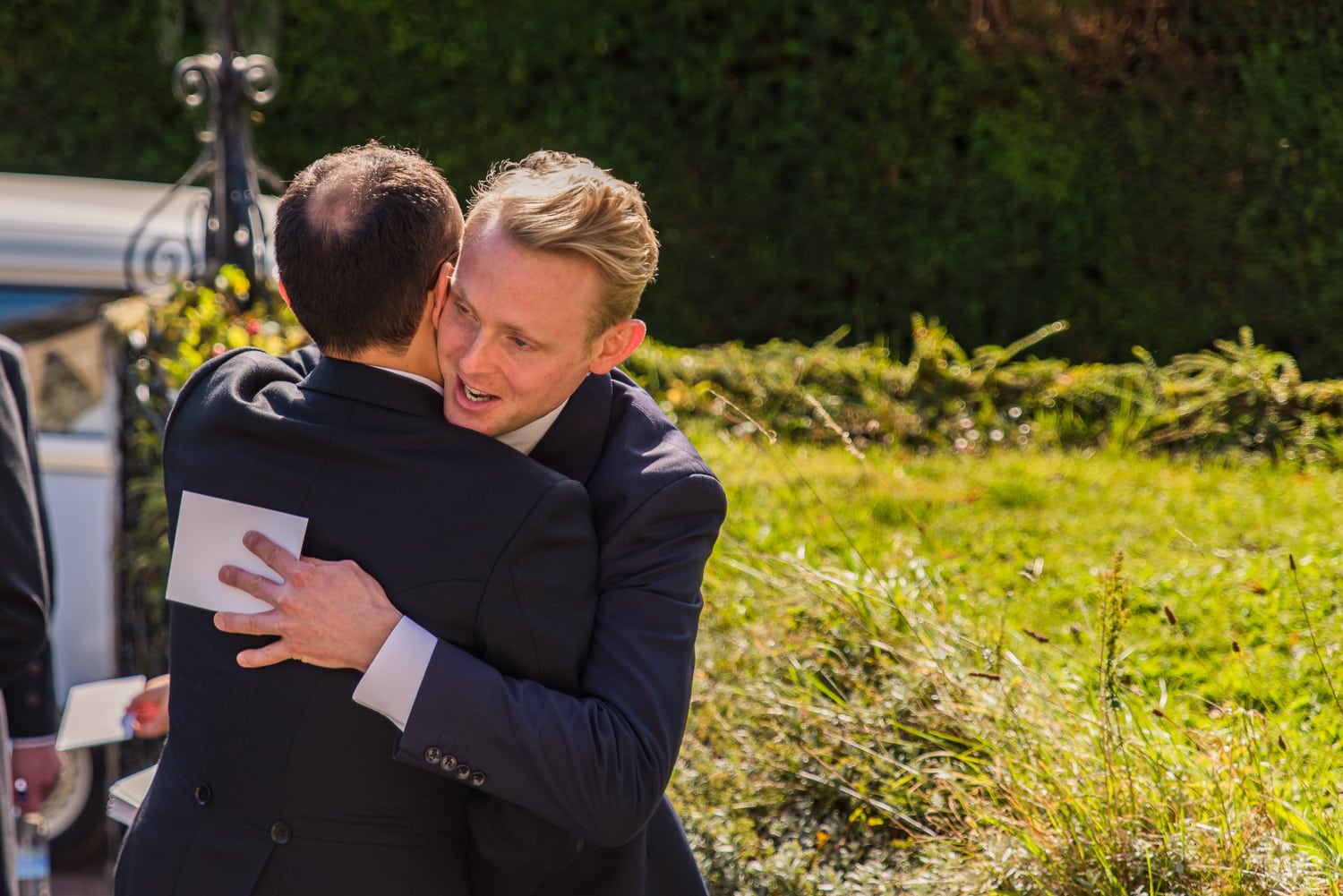
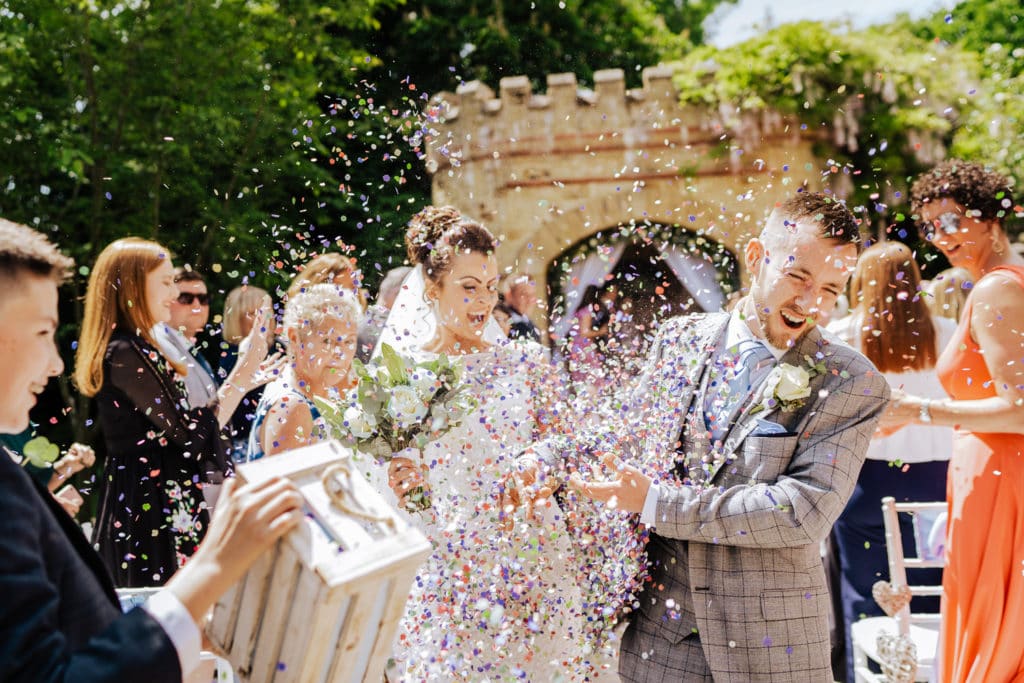
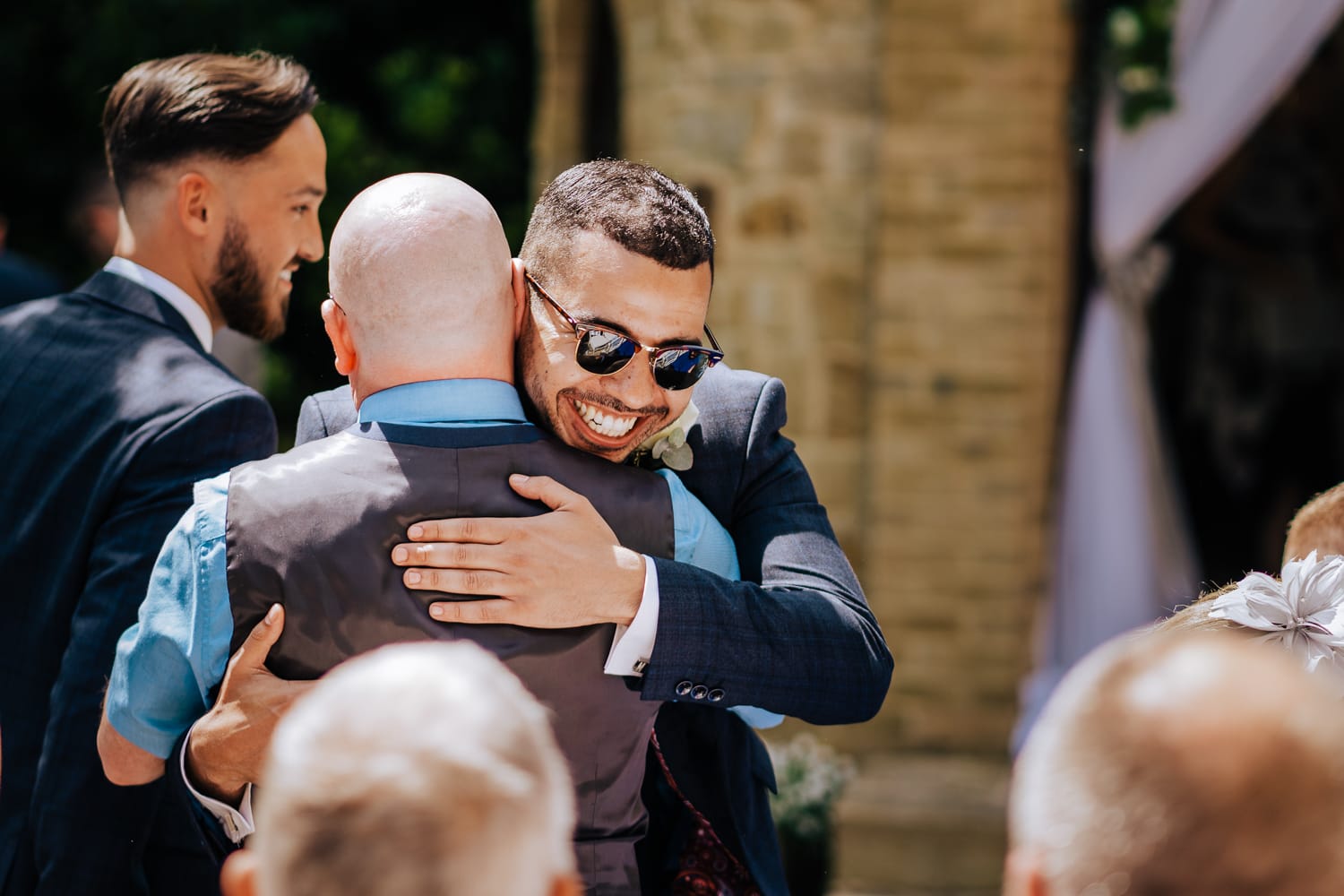
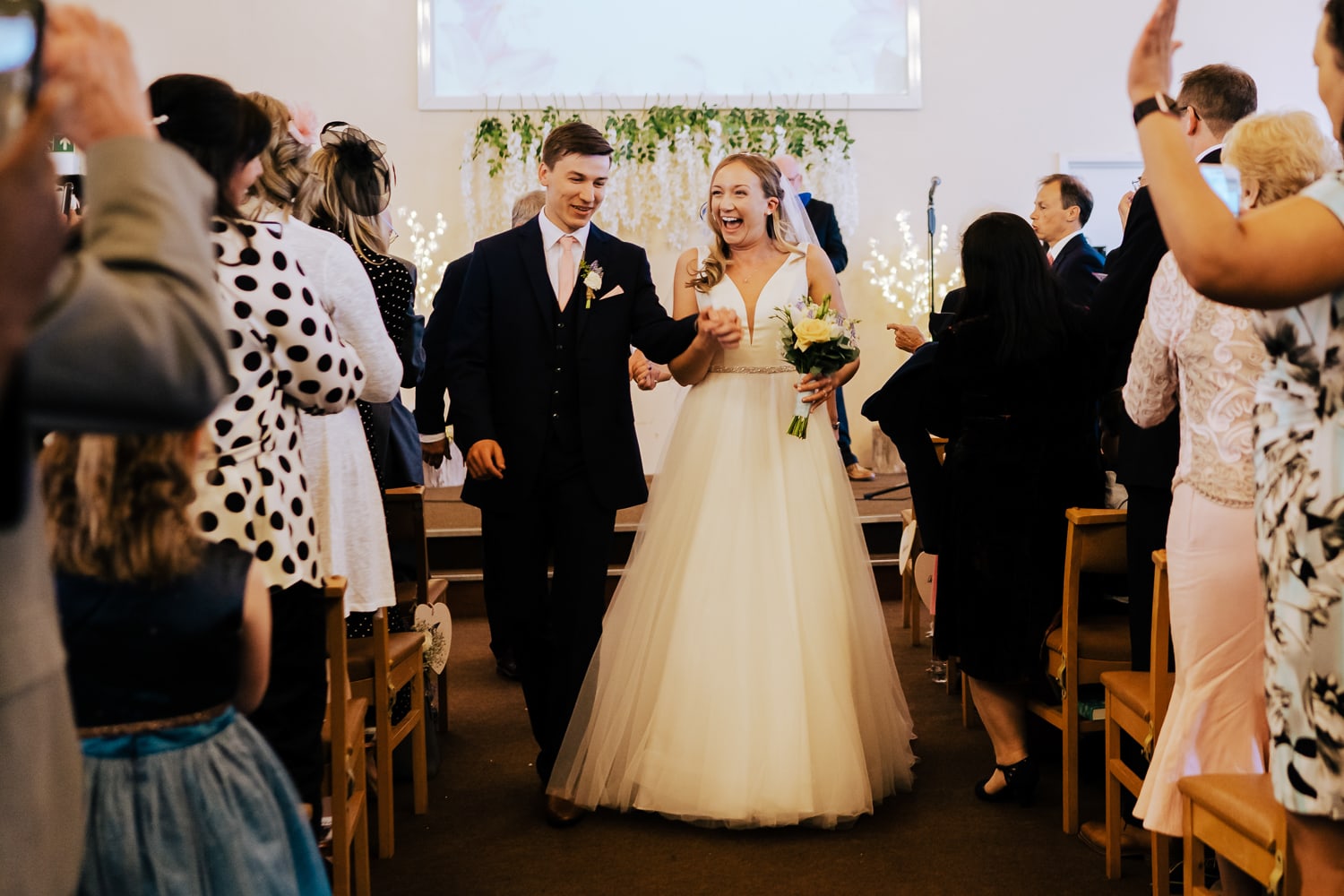
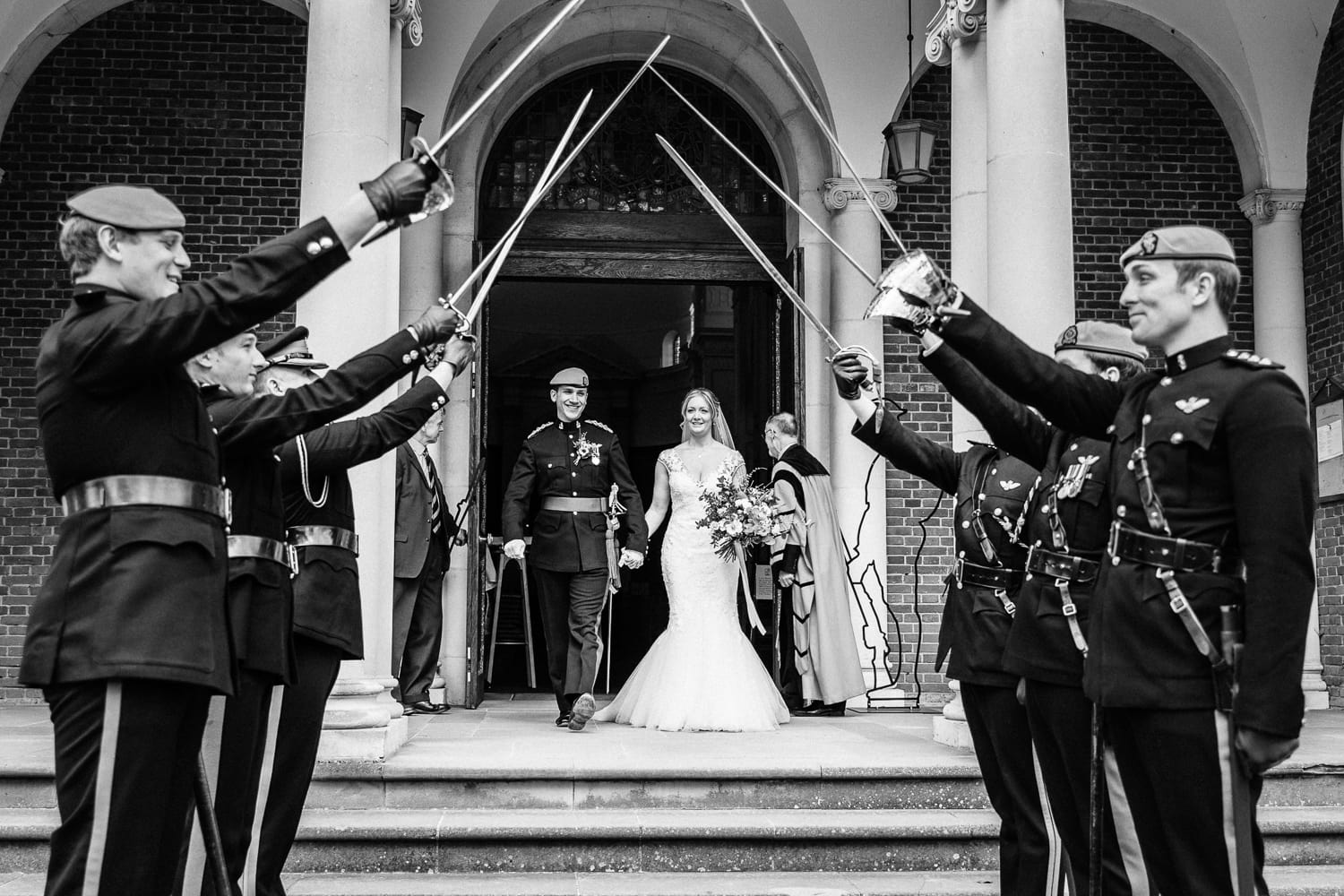
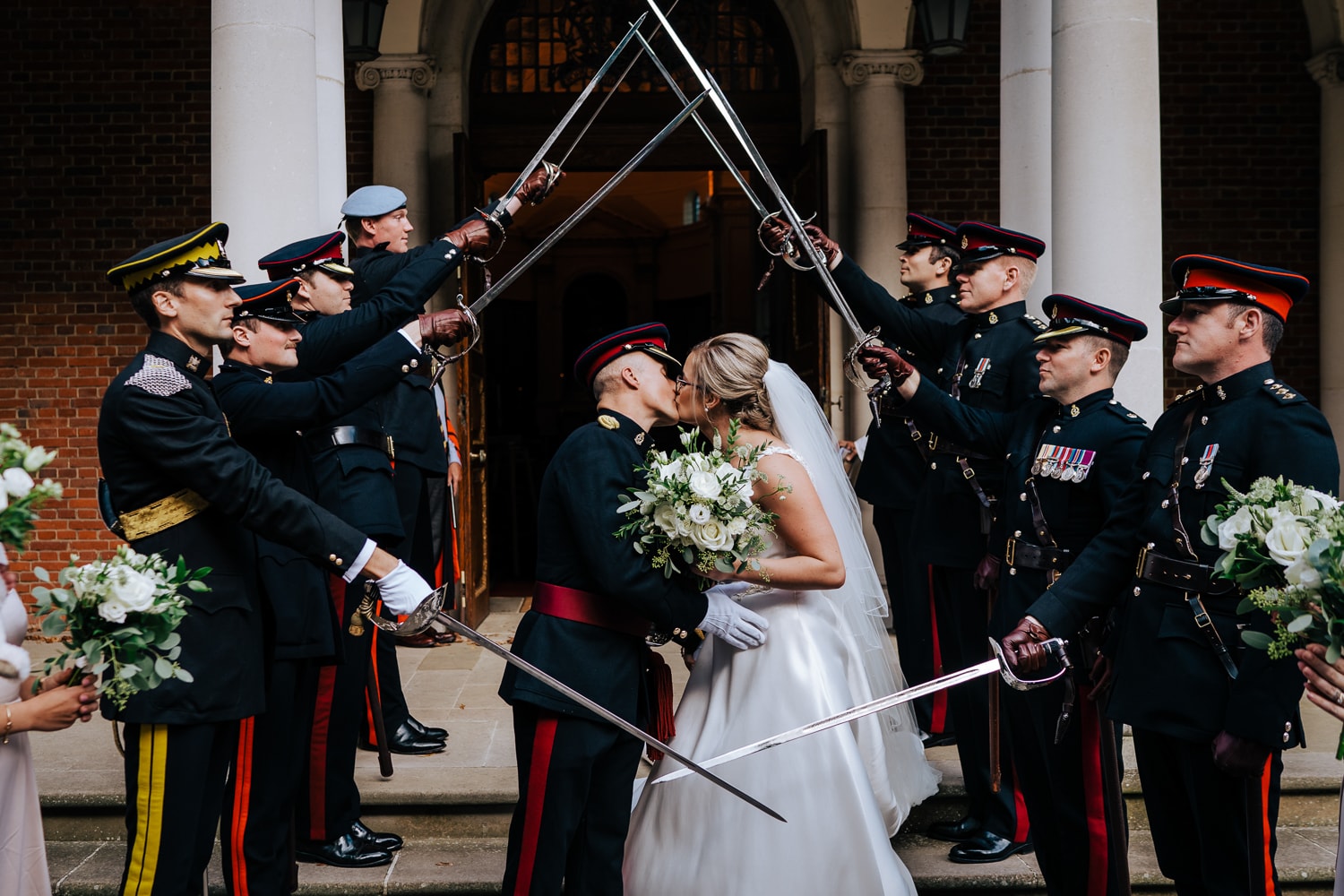
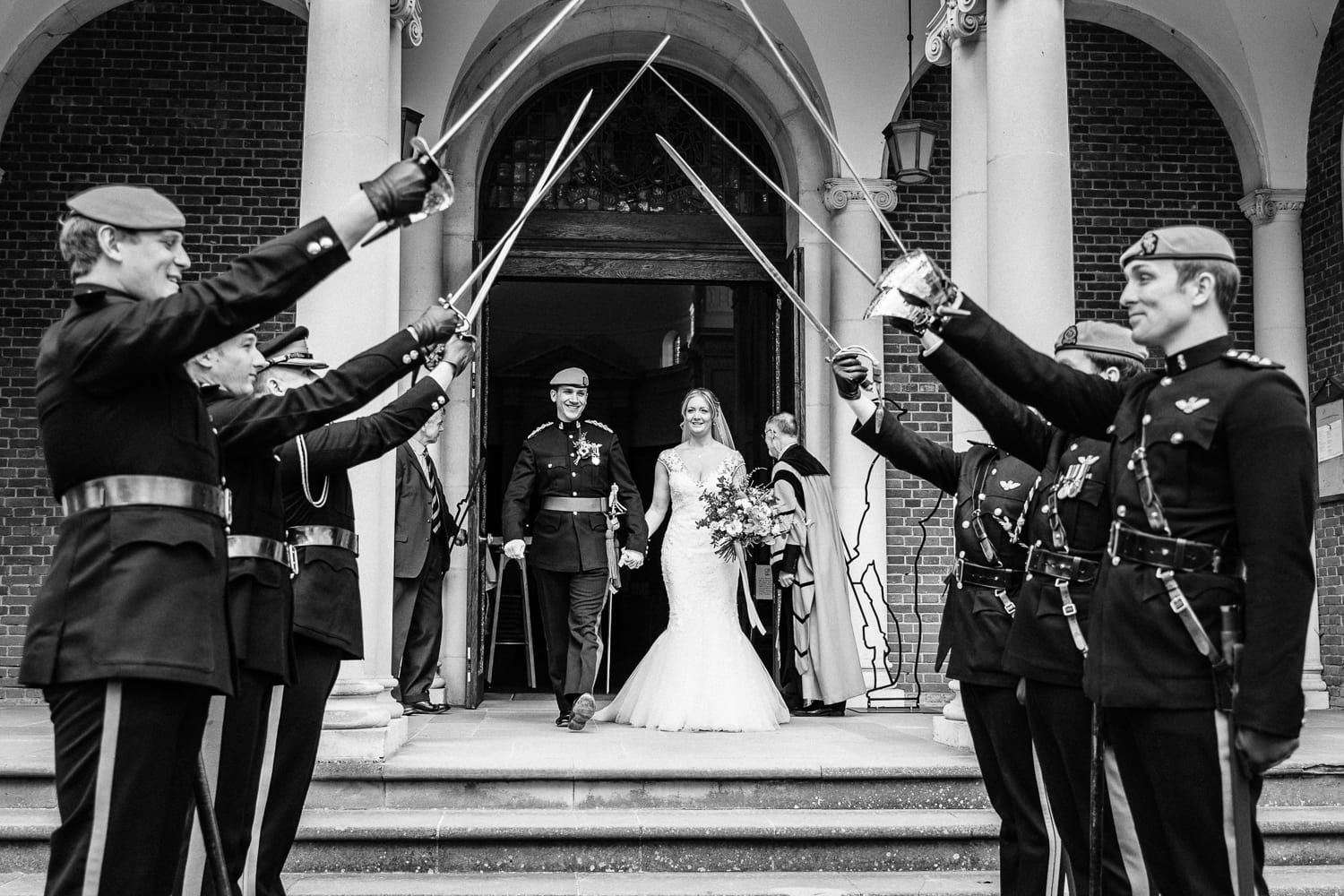
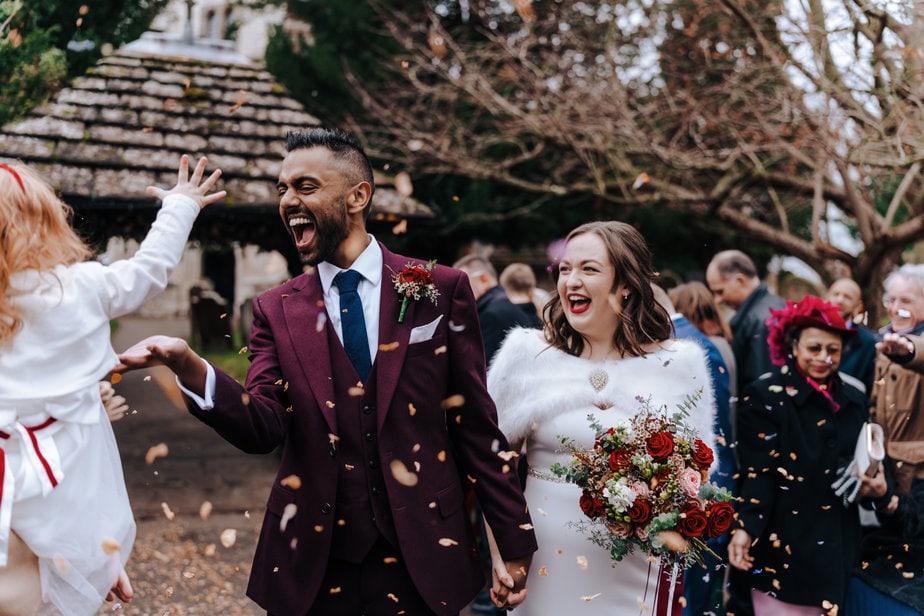
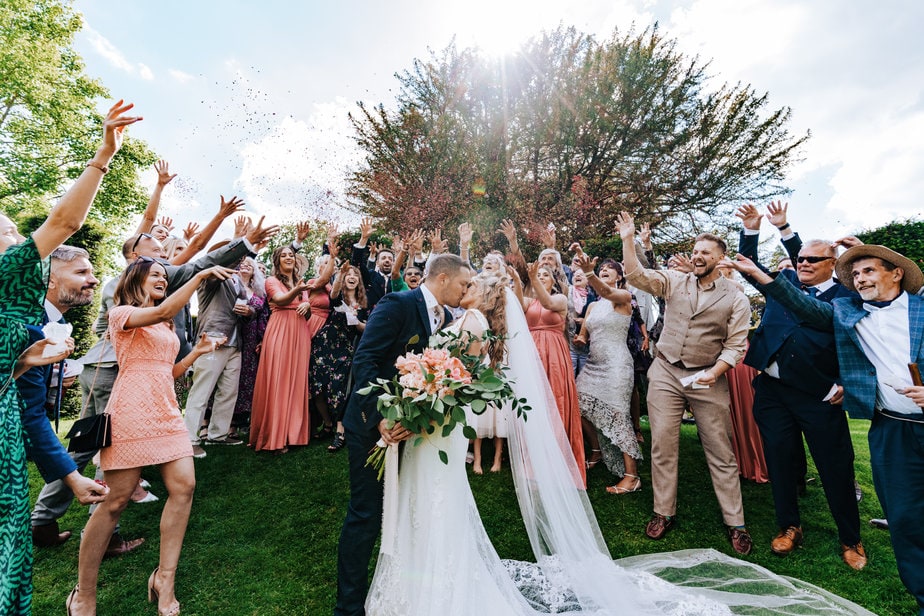
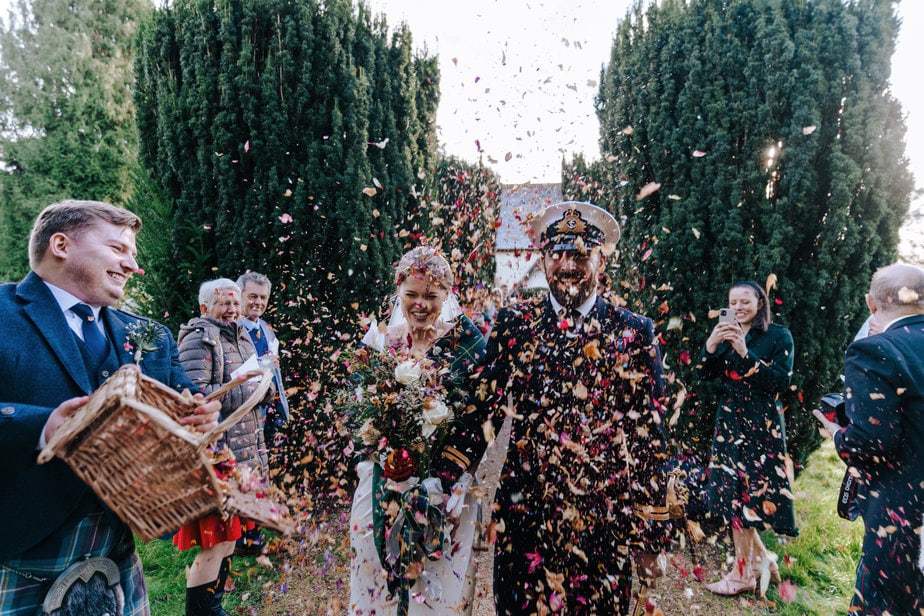
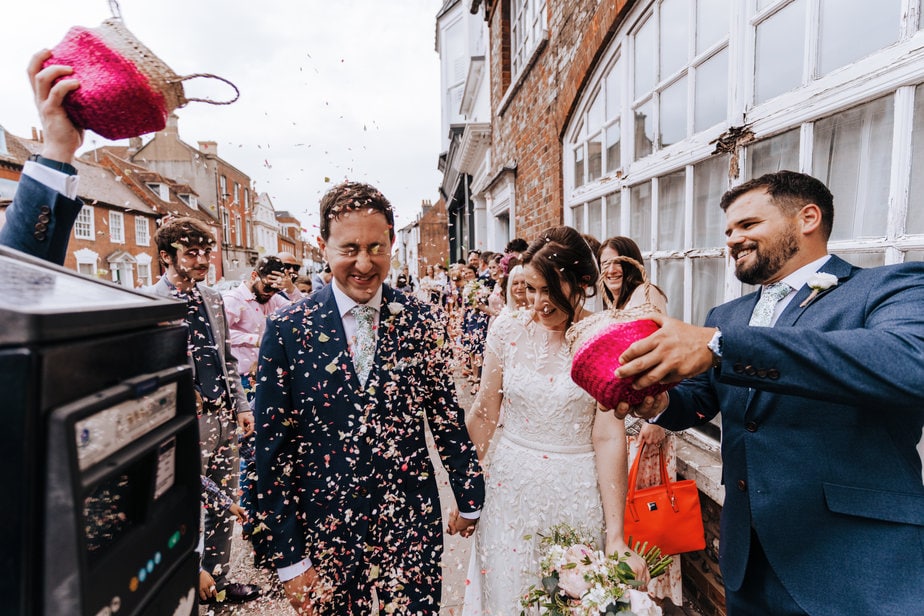
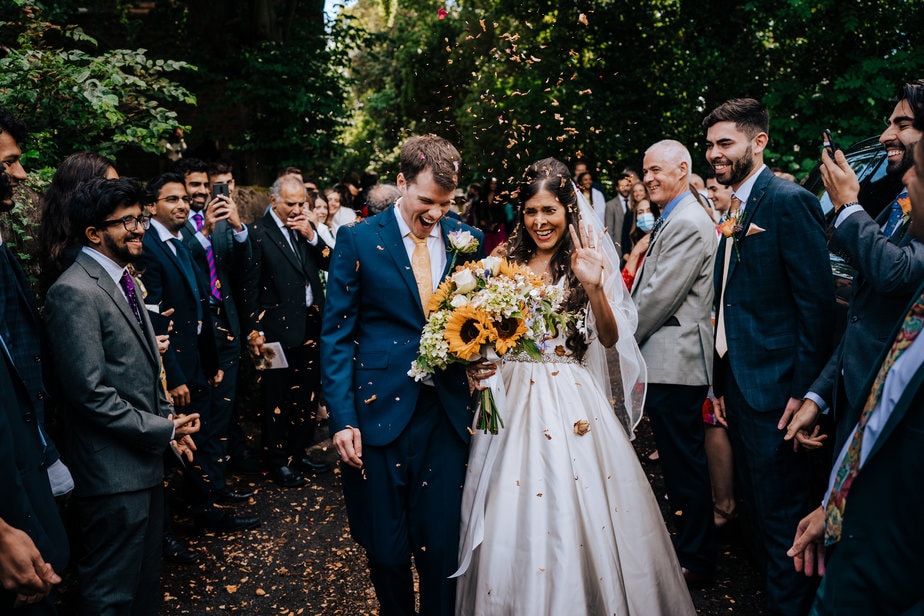
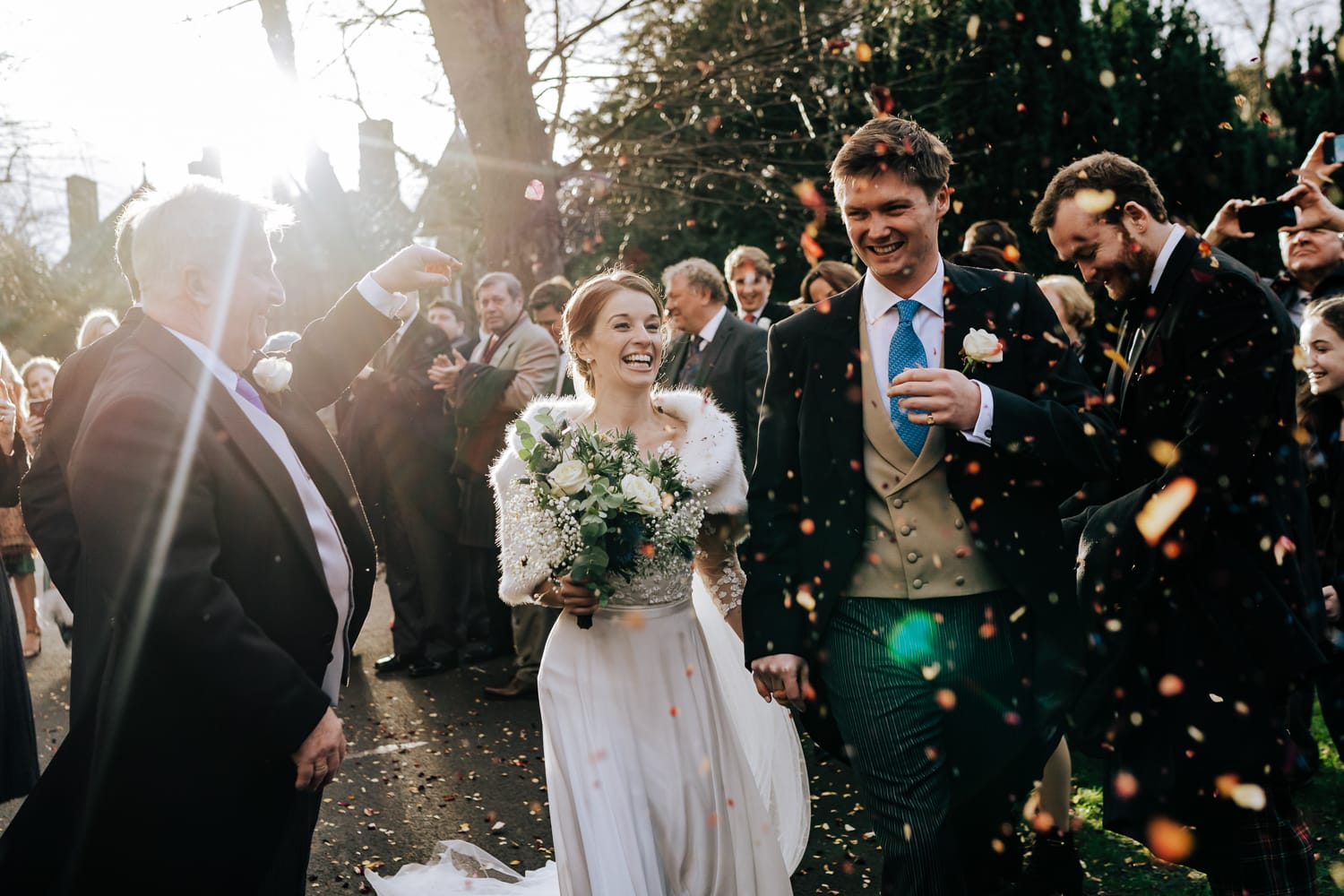
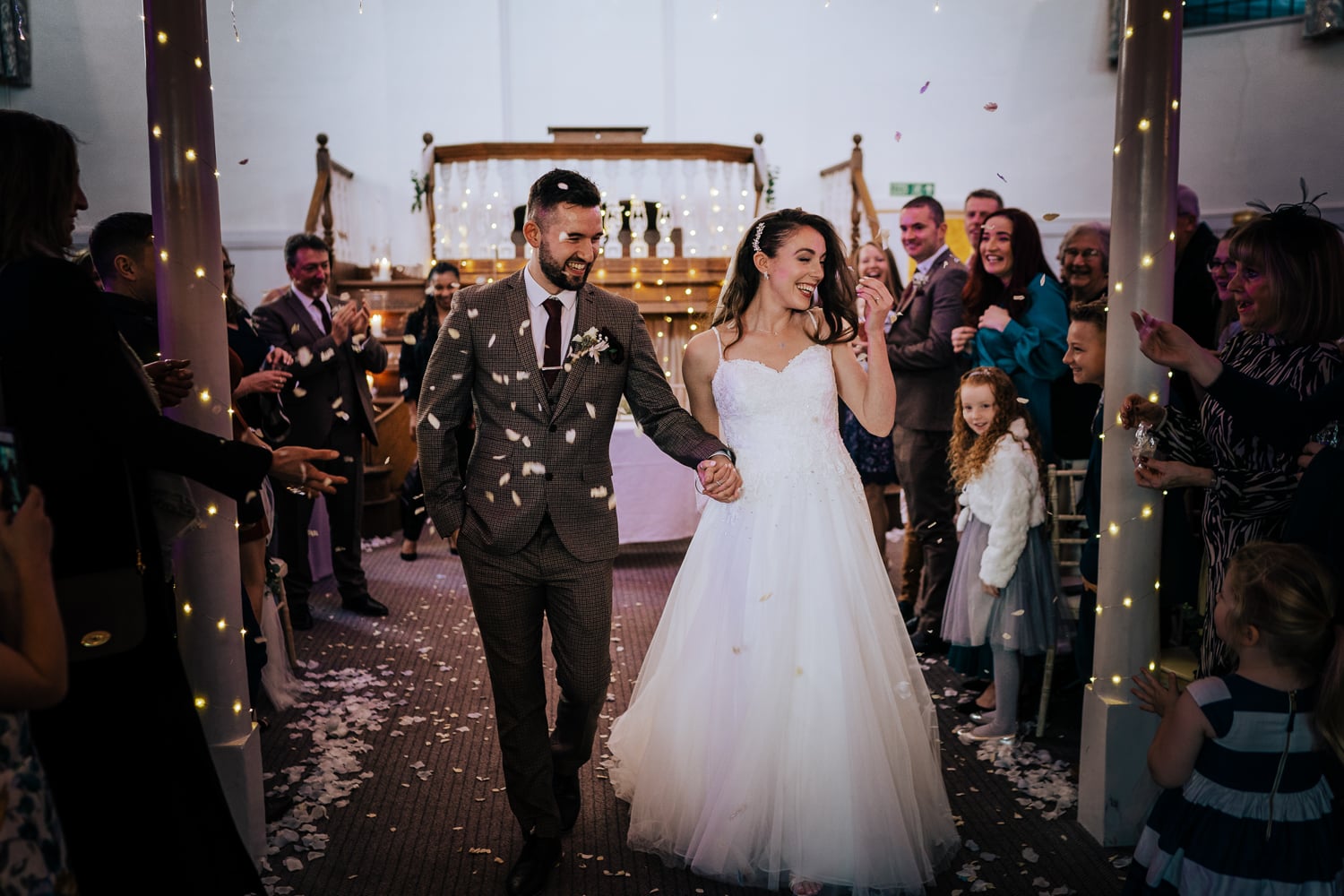
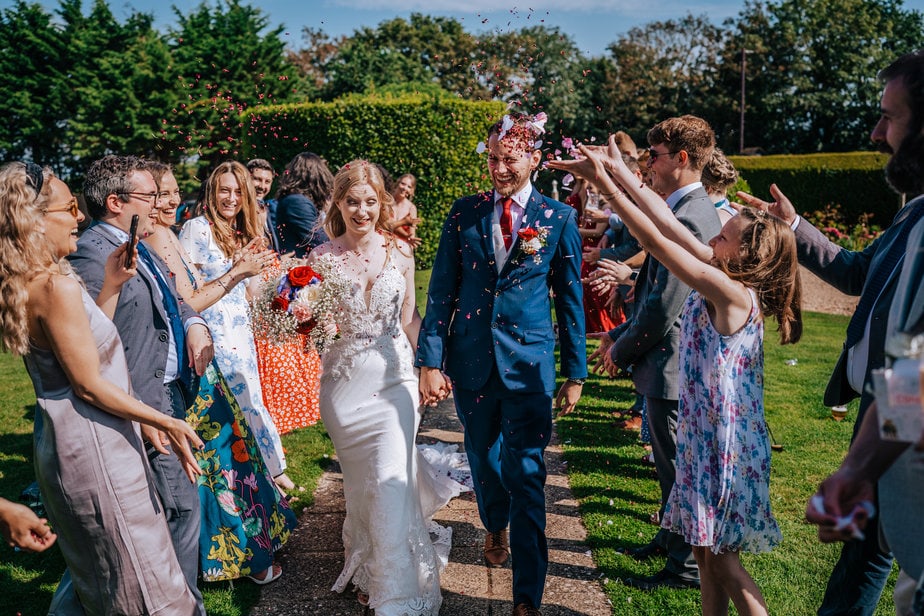
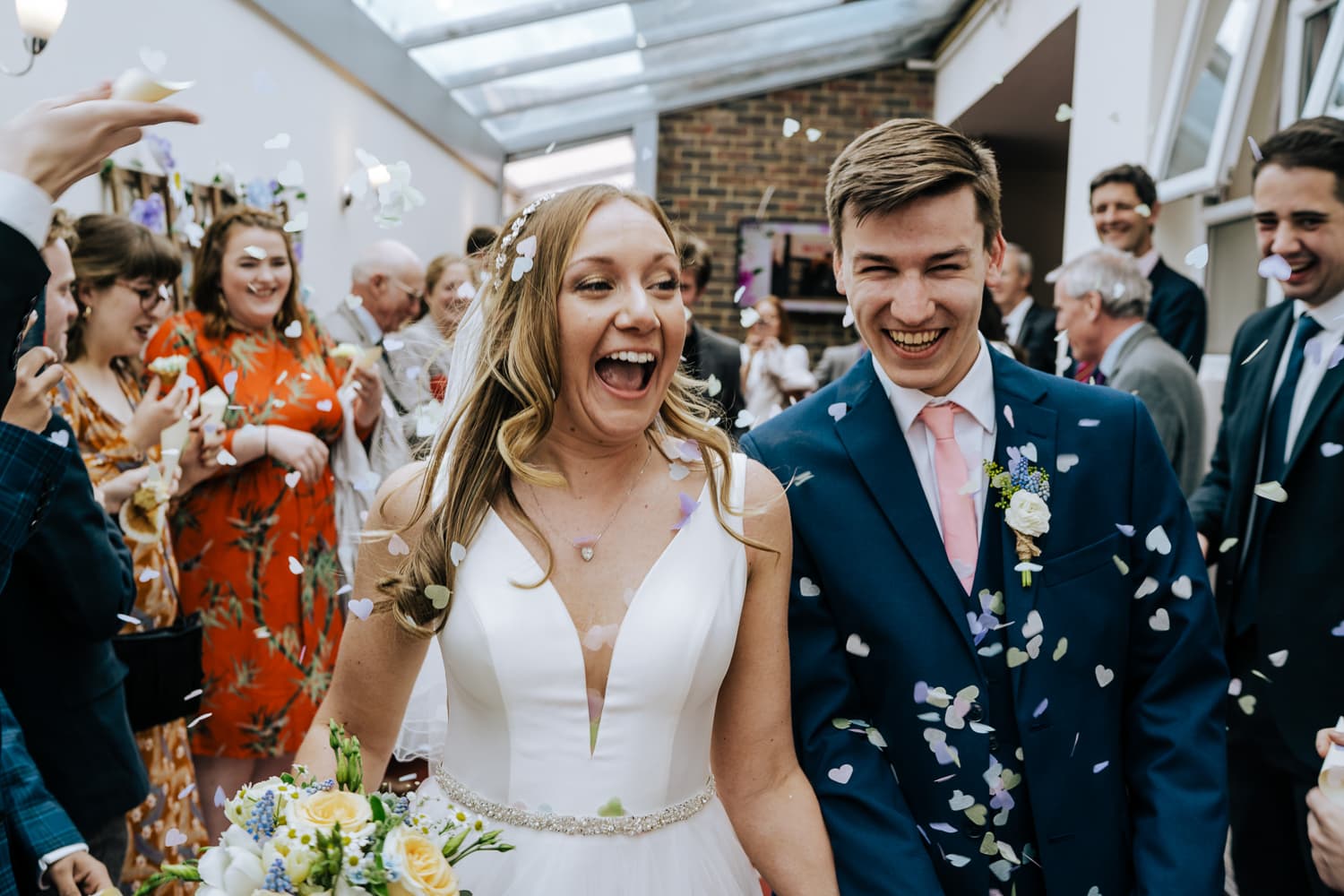
There is an immediate outpouring of love and relief as everyone spills out of the ceremony space. Hugs happen without thinking. Congratulations overlap. Confetti fills the air. It is a genuine release after holding emotion in for so long.

I love confetti moments because they say everything you need to know about how people feel, often in a single image. Joy, pride, excitement, and connection all come together at once.

This point in the day always carries a shift. With the formalities complete, the celebration can really begin. Being trusted to capture that moment, when everything opens up and people are fully present again, is something I never take lightly.

I treat confetti as a natural extension of the ceremony rather than a separate moment. When it is given a little space and calm direction, it flows effortlessly into group photos and relaxed {wedding portraits photography}, keeping the energy moving forward without breaking the rhythm of the day.

Celebrant-led ceremonies

Celebrant-led ceremonies have become increasingly popular, and it is easy to see why.

A celebrant takes time to get to know you before the wedding. The ceremony is written around your story, your values, and the way you want the moment to feel. This allows for personal vows, meaningful readings, and a structure that reflects you as a couple.

Because celebrants are not tied to a fixed legal script, ceremonies often feel more relaxed and more natural. There is space for pauses, emotion, and genuine interaction, which translates beautifully into photographs.

In England and Wales, celebrant-led ceremonies are not legally binding on their own. Most couples complete the legal paperwork with a registrar separately, then enjoy the freedom and personal feel of a celebrant ceremony on the day itself.

From a photography point of view, these ceremonies tend to feel calmer, more personal, and less rushed, which allows real moments to unfold naturally.

Common questions about ceremony photos

Should we have an unplugged ceremony?
Yes. Unplugged ceremonies often lead to cleaner photos and more engaged guests. I am always happy to support this.

What if there are photography restrictions?
Many venues and officiants have rules. I am used to working within them and planning coverage around what is allowed.

How many ceremony photos will we get?
This depends on the length and style of your ceremony. The focus is always on quality and storytelling rather than a fixed number.

Will guests block your view?
Occasionally, but anticipation and experience help minimise this. Positioning matters.

From ceremony to the rest of the day

Once the ceremony ends, everything shifts.

Relief replaces nerves. Emotion turns into energy. This is where your day opens out into confetti, group photos, portraits, and eventually the evening celebration.

The ceremony sets the tone for everything that follows. Photographing it well helps the rest of your story feel complete, with each part of the day flowing naturally into the next. You can see how this comes together across a full day in my wedding photography pricing and you can explore full wedding days in my blog!

To see some examples of how I capture different parts of your wedding day, check out some of my galleries below