What Wedding Photography Really Costs in the UK (2026)
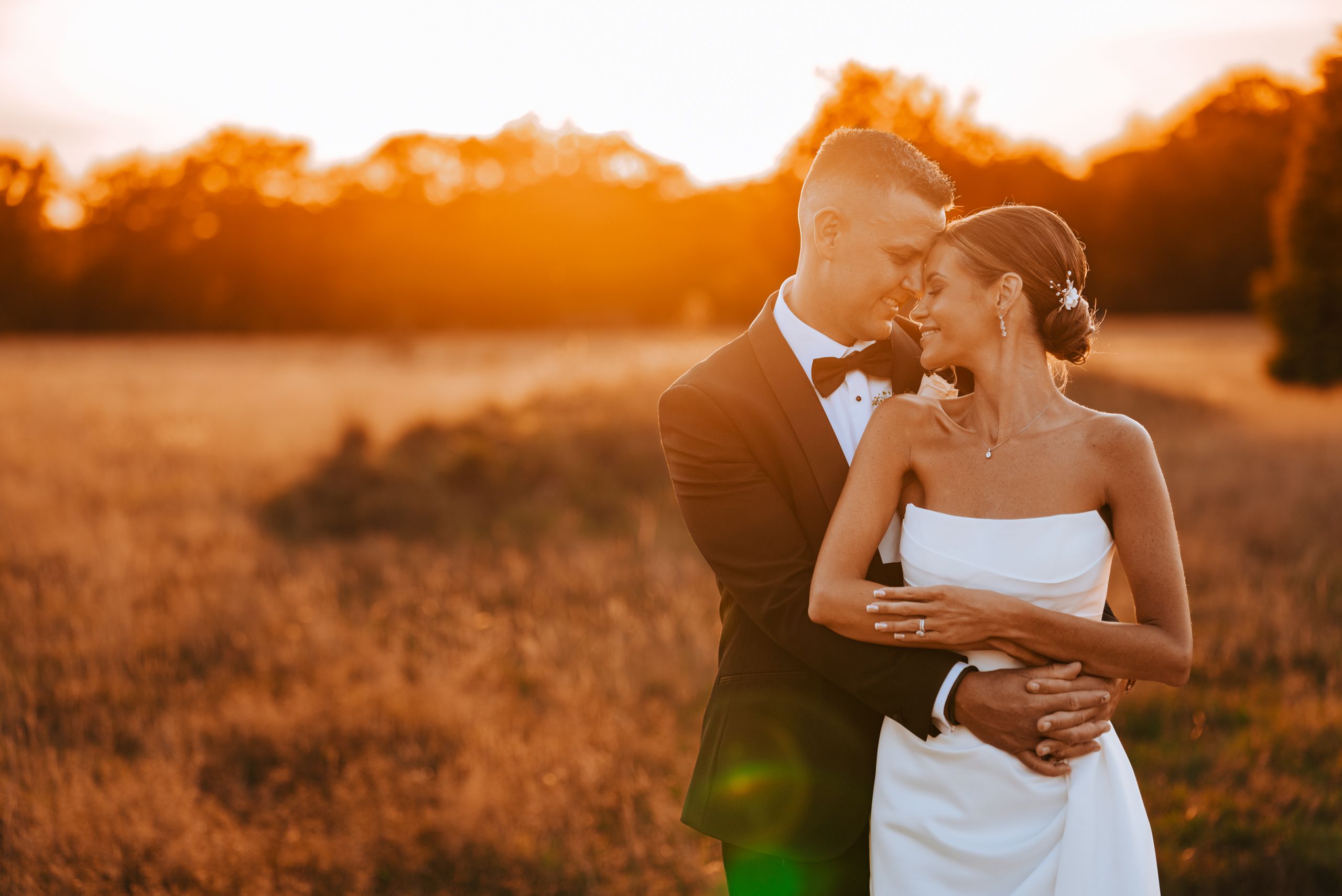
The UK average cost of a wedding photographer is £1,484 (Bridebook, 2026), but for a full wedding day expect to pay between £1,500 and £3,000. The average is lower because it blends short registry office coverage and part-time photographers in with full-day bookings. If you are planning a whole day, the higher range is the one to budget against.
I am a full-time wedding photographer based in Eastbourne, and I have photographed over 200 weddings since 2015 across Sussex, Kent, Surrey and Hampshire. I have written this because most pricing guides give you a number without telling you what sits behind it. Below I set out what the national figures actually measure, why one photographer quotes £1,200 and another £2,500 for the same Saturday, what changes as the price goes up, and what to ask before you sign anything. The published market figures are all here too, sourced and dated, so you can check them yourself.
Last updated: July 2026. Market figures are reviewed each January, when the national wedding reports are published.
How much does wedding photography cost in the UK?
If you want the short answer: for a full wedding day, expect £1,500 to £3,000. Below about £1,200 you are usually buying fewer hours rather than a bargain. Above about £3,500 you are paying for a photographer whose diary is in demand, which can be worth it, but it is a different decision.
The national averages sit lower than that, at around £1,500, and I want to explain why before you use one to set a budget. Here is what the main sources currently publish.
| Figure | Amount | Source | Date |
|---|---|---|---|
| UK average spend on a photographer | £1,484 | Bridebook UK Wedding Report, approx 7,000 couples | 2026 |
| What most couples spend | £1,200 to £2,500 | Bridebook | July 2026 |
| Full range across all bookings | £500 to £2,500 | Bridebook | July 2026 |
| Full-day coverage | £1,000 to £3,000+ | Guides for Brides | February 2026 |
| Shorter or registry office coverage | £400 to £800 | Guides for Brides | February 2026 |
| Experienced or editorial photographers | £3,000 to £6,500+ | Guides for Brides | February 2026 |
| Bracket the UK average falls in | £1,000 to £1,500 | Hitched, from platform research and couple reviews | July 2025 |
| Complete packages, London | Just over £2,000 | Hitched | July 2025 |
| Complete packages, north-east England | Just over £1,400 | Hitched | July 2025 |
Two things to take from that table. The published averages cluster around £1,500, and the coverage-based ranges start higher. Both are correct, and the gap between them is where most couples get confused.
The other thing worth knowing is that the national photography figure has barely moved in three years, going £1,464, £1,482, £1,484 across 2024 to 2026. Costs have risen for every photographer I know over that period. What that tells me is that the average is being held down by more people entering the market at the lower end, not by prices falling.
What the national average actually measures
Here is the problem with the number you came here for.
A national average blends every kind of booking together. A two-hour registry office job, a four-hour micro-wedding, a part-time photographer’s first summer, and a full Saturday in June at a country estate all go into the same pot. What comes out is roughly £1,500, and it describes none of them.
Think about what that means in practice. If half the bookings in the sample are short coverage, the average is telling you the cost of a wedding that is not the one you are planning. It also blends the country geographically, mixing a £600 booking in one region with a £4,000 booking in London and landing on a figure neither couple would recognise.
I am not suggesting the figure is wrong. The surveys behind it are large and the arithmetic is fine. I am saying it answers a different question from the one you are asking, which is what will a photographer charge to cover my wedding day. For that, use the coverage-based ranges in the table above, and ignore the average entirely.
One useful thing the averages do tell you: if a quote comes in at £700 for a full day, something has been left out, and it is worth finding out what. If it comes in at £5,000, that is a real market too, and it is worth asking what the extra buys.
Where the money actually goes
The other reason the numbers surprise people is that the wedding is a fraction of the job. The editing alone runs to three or four days for one wedding, which is the industry norm and matches my own. Add the planning beforehand, the venue research, insurance, equipment and backups, and the hours behind a gallery comfortably exceed the hours spent at the wedding. I break that down further below.
Why two photographers quote £1,200 and £2,500 for the same day
This is the question the national figures cannot answer, and it is the one that actually matters when you have three quotes open in three browser tabs.
The honest answer is that the difference is mostly experience and capability, not hours. A photographer at the higher end has usually photographed many more weddings. That means they have worked in venues like yours, in light like yours, and on days where the timings slipped by forty minutes. They know what to do about it because they have already done it.
The practical differences behind a higher quote tend to be these.
- Weddings photographed. Volume and range, not just years in business
- Public liability and professional indemnity insurance, which many venues now ask to see
- Backup camera bodies, lenses and cards, so a failure mid-ceremony is an inconvenience rather than a disaster
- Experience at higher-end venues, which often have stricter rules on where a photographer can stand and when
- Understanding of light, which is what separates a usable photograph from a good one in a dark church or a marquee at dusk
- The service around the day itself, planning conversations beforehand and proper support afterwards
- More inside the coverage, which can mean longer hours, a second photographer, or higher quality albums offered
None of that shows up in a price list. It shows up in a full gallery, which is why I would always ask to see complete weddings rather than a selection of best shots. You can see full galleries in my portfolio.
Full-time or part-time is the biggest single divider
This is the one I would tell any couple to ask about first. A photographer with a separate full-time job can afford to charge a few hundred pounds, because the wedding work does not have to cover their living. That is not a criticism, it is how I started out myself, and it is how most people gain experience. But it does explain a large part of the price gap you are looking at.
What you are buying at the higher end is someone for whom a wedding going sideways is not a novel experience. I have photographed over 200 weddings since 2015. I have worked in churches with almost no light, marquees at dusk, and days that ran forty minutes late from the first hour. The reason I know what to do is that I have already got it wrong somewhere and learned from it.
The skills that matter are not mostly about the camera. They are knowing which small things you will want to see later, getting a natural expression out of someone who hates being photographed, moving thirty people into a group shot without it taking twenty minutes, and staying out of the way for the rest of the day. None of that is visible in a price list, and none of it is quick to learn.
I also limit how many weddings I take, and turn down the day either side where travel makes it tight. That means fewer bookings a year, and it is part of why my prices sit where they do.

What you get at each price level
Prices sound abstract until you see what each level actually buys. This is the clearest national breakdown published, and it lines up closely with what I see in the market.
| Budget | Hours | Typically includes | Suits |
|---|---|---|---|
| Under £1,000 | 4 to 6 | One photographer, basic online gallery | Intimate ceremonies, registry office and reception |
| £1,000 to £1,500 | 6 to 8 | One photographer, online gallery, some optional extras | Half-day coverage, smaller venues |
| £1,500 to £3,000 | Around 8 | One photographer, second optional, gallery, album or keepsake | Standard full-day weddings |
| £3,000+ | 10+ | One or two experienced photographers, premium album, engagement shoot | Full-day venue weddings, luxury or destination |
Most UK couples booking a traditional full day land in the £1,500 to £3,000 band. Below it, you are usually trading hours rather than quality. Above it, you are usually buying either a second photographer, extended coverage, or a photographer whose diary is in demand.
What changes as you move up is rarely the number of photographs. It is the reliability of the outcome. Full wedding galleries in my portfolio show what full-day coverage looks like from start to finish.

Wedding photography prices in Sussex and the South East
Here is something most guides get wrong, and it matters if you are marrying in Sussex, Kent or Surrey.
You will be told the South East is expensive, and for a wedding overall that is true. Total spend here runs about 10% above the national figure, second only to London. So couples arrive assuming they must pay a regional premium on every line of the budget.
Photography is the line where that assumption breaks down. The supplier data puts South East costs at roughly 1% above the national average. London is 30% above. Those two numbers are not close, and the South East is not London. What makes a Sussex wedding expensive is the venue, the catering and the guest list, not the photographer.
That matches what I see. I am based in Eastbourne and I have shot across Sussex, Kent, Surrey and Hampshire for over a decade, and my prices are not set by a South East postcode. The genuinely expensive market is central London, where studio overheads and demand are on another level. The published figures bear this out: London packages run just over £2,000 against just over £1,400 at the cheapest end of the country. A £600 spread nationally, which is real, but nothing like the gap couples brace for.
One caveat, in fairness. At least one national source does claim London and the South East run £200 to £500 above the national figure, which sits awkwardly against the 1% supplier number from the same publisher. Where two figures conflict I would trust the supplier data, because it is measuring what suppliers actually charge.
| Measure | Figure | Source | Date |
|---|---|---|---|
| Average South East wedding, total | £22,637 | Bridebook UK Wedding Report | 2026 |
| Average South East wedding, total | £23,589 | Hitched Wedding Industry Report, 2,020 couples | January 2026 |
| South East supplier costs vs UK average | +1% | Bridebook UK Wedding Report | 2026 |
| London supplier costs vs UK average | +30% | Bridebook UK Wedding Report | 2026 |
| Photography packages, London | Just over £2,000 | Hitched | July 2025 |
| Photography packages, north-east England | Just over £1,400 | Hitched | July 2025 |
The practical takeaway for a Sussex couple: do not assume you must pay a South East premium for photography. Budget against the national full-day range, and put the difference towards the parts of the day that genuinely do cost more here.
Getting married in Sussex, Surrey, Kent or Hampshire?
I’m based in Eastbourne and these four counties are where most of my weddings happen. Each page shows the venues I’ve photographed there, real weddings from the county and what a full day costs. I also travel to Berkshire, Wiltshire, Dorset, Buckinghamshire and Greater London.
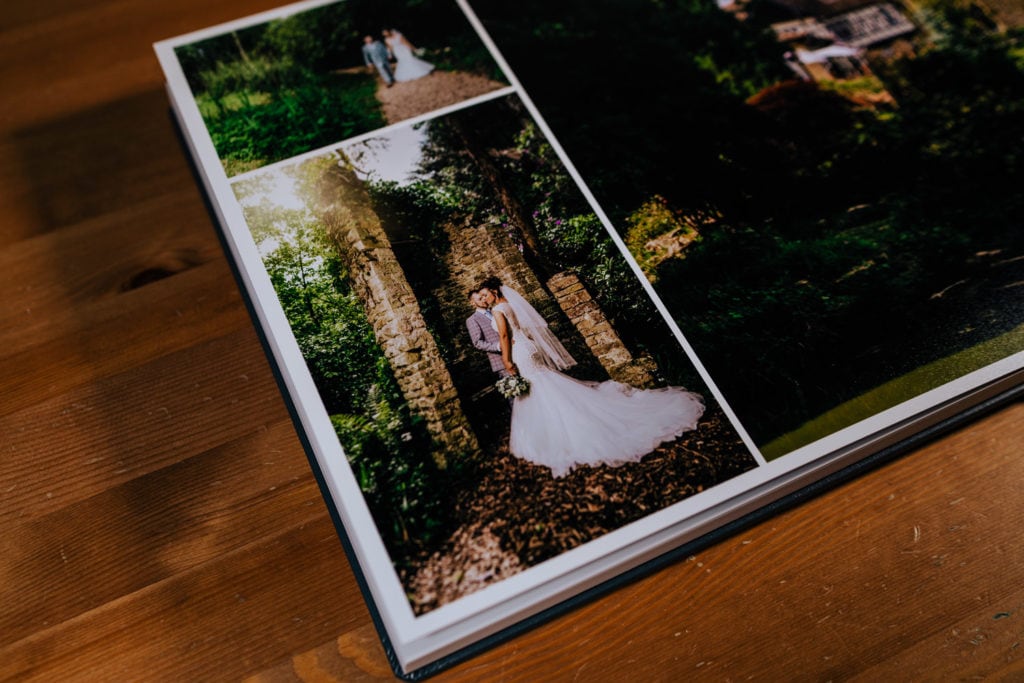
What is usually included, and what is not
Two quotes at the same price can contain very different things. Almost every UK package includes the same three basics.
- Coverage on the day, for the hours set out in the package
- Edited photographs delivered through a private online gallery
- A licence to print and share the images for personal use
Almost everything else is usually a paid extra. The common ones are a second photographer, a pre-wedding or engagement shoot, physical albums, prints and framed work, and transfer of copyright.
The work you are paying for that you never see
Most of the hours behind a wedding gallery happen when I am not at the wedding. This is the part that surprises couples most, so here is what actually goes into it.
- Before the day, I visit the venue where I can, to work out where to shoot and how the light moves through it. Where a visit is not practical I research it properly and speak to the venue directly. Group shots and portraits get planned and ordered with you in advance, not decided on the lawn
- After the day, editing is the long part. A wedding produces somewhere between 5,000 and 7,000 frames, and getting that down to a finished gallery of six to eight hundred takes three or four days. Albums and prints are more work again, on top
- Travel is inside my quote for local weddings and priced separately when a venue is well outside my usual area. I would rather tell you that upfront than surprise you
- Then the things you only notice when they fail: insurance, second camera bodies, spare lenses, duplicate cards, backed-up files in more than one place
The honest summary is that packages differ enormously, some all-inclusive, some built to order, so comparing two prices without comparing what sits behind them tells you very little.
The copyright point most couples miss
By default in the UK, your photographer owns the copyright in your photographs. What you normally receive is a personal use licence, which lets you print and share them freely. That covers what almost everyone actually wants to do. Buying full copyright afterwards can be expensive, so if it matters to you, raise it before you sign rather than after.
Digital images and albums
Most UK photographers now include digital images as standard, delivered in high resolution and ready to download. Albums and prints are usually priced separately, because a professionally made album uses materials and binding that will not fade or warp, and takes real time to design.
Many couples add an album after the wedding, once they have seen the full gallery and know which photographs they want in print. That keeps the booking simpler and spreads the cost. If you are unsure whether an album is worth it, ask to handle one in person before deciding.

Extra costs to check before you book
These are the costs that turn a £1,400 quote into a £2,000 total. None of them is unreasonable. The problem is only ever finding out about them late.
| Extra | Typical cost | Source |
|---|---|---|
| Second photographer | £400 to £600 | Bridebook |
| Second photographer surcharge | Charged as an addition to the package | Hitched |
| Travel beyond a photographer’s usual area | Mileage, plus accommodation if needed | Hitched |
| Specialist extra equipment, a drone for instance | Affects the package price | Hitched |
| Engagement or pre-wedding shoot | Varies, commonly a paid add-on | Bridebook |
| Physical album or printed products | Varies by size and materials | Bridebook |
| Copyright transfer | Can be expensive, ask upfront | Bridebook |
Beyond those, five things are worth asking about directly, because they vary from photographer to photographer.
- Travel. Most of us quote for a set radius and charge mileage, plus accommodation where the day demands it, beyond that. Ask where your venue sits relative to it
- Additional equipment. Anything beyond a standard setup can move the price, drone coverage being the usual example
- VAT. Whether the quoted figure includes it, if the photographer is VAT registered
- A supplier meal. The most commonly forgotten item on the list, and your photographer is with you for ten hours or more
- Overtime. What happens, and at what rate, if the day overruns
One reassurance on copyright. Very few photographers charge extra for it, and personal use rights, meaning you can share online and print for yourself, are standard. Confirm your images come without watermarks and you have covered it.
A good photographer will answer all four in one email. If the answers are vague, that itself is useful information.

How your date and coverage length change the price
Two variables move a photography quote more than anything else: how long you want covered, and when.
Coverage length
Most UK weddings run ten to twelve hours from morning preparations to the evening party. Full-day coverage usually means getting ready through to the first dance or shortly after, and it typically includes preparations, the ceremony, the drinks reception and group photographs, couple portraits, speeches and the evening celebrations.
Shorter coverage suits smaller weddings, registry office ceremonies, or days where you only want certain parts recorded. When couples reduce coverage, the parts most often lost are morning preparations, relaxed guest photographs and the later evening. Worth thinking about what you will want to look back on in twenty years, not only what feels essential while you are budgeting.
If you are planning a shorter day, moving the order of events can help. Bringing couple portraits or the cake cutting forward makes better use of the hours you have. My wedding day timeline guide covers how that works in practice.
Date and season
Summer Saturdays are peak, and the busiest photographers fill them first. Eighteen to twenty-four months ahead is now normal for a summer Saturday, and I would not leave it later than that if you have someone particular in mind. Winter and midweek dates are far more flexible, and some of us price them differently.
Daylight is the practical constraint nobody mentions. In summer, long evenings give you room to move portraits around. In winter, the light goes early, so portraits need to happen sooner. That changes the timeline rather than the quality of the photographs, but it does need planning for.

Questions to ask before you book
When two photographers quote similar prices, the answers to these questions are where the difference actually lives.
- How many weddings have you photographed, and how many at venues like ours
- Can we see two or three complete galleries, not a selection of favourites
- What exactly is included in this price, and what costs extra
- Are you insured, and can the venue see the certificate
- What backup equipment do you carry, and what happens if a camera fails
- What happens if you are ill on the day
- How long until we get our photographs, and are previews included
- What happens if the timings slip
- Do we get the full gallery, or a set number of images
- What usage rights do we have, and are printing rights included
Two photographers can both offer eight hours. The answers above are what tell you whether those eight hours will feel the same.

How I price my own work, as one example
For context rather than a pitch, here is where I sit in the picture above.
My full-day packages start from £1,797. That is above the £1,484 national average and inside the £1,500 to £3,000 full-day band. The reason for the gap is the one described earlier: the national average includes short coverage and registry office bookings, and I only photograph full days.
What that covers is planning support beforehand, coverage from morning preparations through to the evening, editing, and delivery of the full gallery, with no hourly limits and no extras appearing later. I limit how many weddings I take each year so that each couple gets proper attention from the first conversation to final delivery.
Whether that is the right number for you depends entirely on your day. The point of this guide is that you can now judge any quote, mine included, against what the national data actually says. Full details of what each package covers are on my wedding photography pricing page.
Planning a 2027 or 2028 wedding?
Everything I wish couples knew before their day, from 200+ weddings, in one free guide.
- The 12-month planning timeline
- A realistic 2027 UK budget
- The supplier booking order
- The final week countdown

No spam. Unsubscribe in one click. Your guide arrives in a couple of minutes, followed by five short planning emails over the next fortnight, then nothing more unless you want it.

Wedding photography pricing FAQs
For a full day, budget £1,500 to £3,000. The published national average is lower at £1,484 (Bridebook, 2026, around 7,000 couples), because it blends short coverage in with full days. Most couples land between £1,200 and £2,500 overall.
London is the one genuine premium market in the UK. Couples there spend just over £2,000 on a complete package, against just over £1,400 at the cheapest end of the country (Hitched, July 2025). Supplier costs in London run 30% above the national average.
May to September, with Saturdays hardest to get. Midweek and winter dates can be cheaper, but do not assume it. My overheads do not drop in January and nor does anyone else’s.
I shoot several thousand frames across a wedding day, typically 5,000 to 7,000, then cut that to a finished gallery of roughly six to eight hundred. The editing takes three or four days on its own.
It can be, for shorter coverage or a photographer building a portfolio. Under £1,000 typically buys four to six hours with one photographer and a basic gallery. For a full day with someone experienced, it is below the realistic range, and I would want to know what has been left out.
Mostly experience and capability rather than hours. A higher quote usually reflects more weddings photographed, proper insurance, backup equipment, experience at comparable venues, a better grasp of difficult light, and more support before and after the day.
Less than people assume. South East supplier costs run about 1% above the national average, against London at 30% above. South East weddings cost more overall because of venues, catering and guest numbers, not because photographers here charge London rates.
Barely, in cash terms: £1,464 in 2024, £1,482 in 2025, £1,484 in 2026. My own costs have risen over that period, which suggests the average is being held flat by more photographers entering at the lower end rather than by prices actually falling.
Photography and videography together come to about 10% of the average budget. Photography alone averages £1,484 against a total average wedding of £20,604 (Bridebook, 2026).
Most full-day weddings produce several hundred edited images, depending on coverage length, guest numbers and how the day runs. More important than the number is whether you receive the full gallery rather than a trimmed selection.
Turnaround varies. Many UK photographers deliver within six to ten weeks, with previews sooner. I typically deliver within four to six weeks.
You can, and plenty of good photographers start that way. I did. The trade-off is experience: someone doing this alongside another job has usually shot far fewer weddings, so a difficult venue or a day running late is more likely to be new to them. If your wedding is small and straightforward, the risk is low. If it is a full day at a venue with tricky light, I would pay for the experience.
Sometimes, and there is no harm in asking politely as long as you accept the answer. The same goes for winter and midweek dates. Rates can be lower, but do not assume it: my costs do not fall in January, and neither does anyone else’s.
Always. Ask for public liability and professional indemnity, and expect to be shown the certificate without fuss, because many venues now ask for it directly. Beyond the legal side, a photographer carrying proper insurance has usually been doing this long enough to know why it matters.
Usually yes, as a personal use licence. Your photographer normally retains copyright, while you can print and share the images freely for personal use. Albums and professional prints are typically separate.
Expect £400 to £600 as an addition. It earns its keep on larger weddings, where both of you are getting ready in different places, or where a lot happens at once. For a straightforward day I would not call it essential.
About a third of couples do, at an average of £1,514, almost the same as photography. If hearing the vows and the speeches matters to you, video gives you something a photograph cannot. If it does not, put the money into coverage instead.
Eighteen to twenty-four months is now normal for a summer Saturday. Off-peak and midweek dates need far less notice, and I do take later bookings when a date is free.
See what full-day coverage actually looks like
Prices only tell you so much. Full galleries tell you the rest. Have a look at complete wedding days, then check my packages if the work feels right for yours.

Check Your Date
Send me a few details about your day and I will come back to you with availability and pricing.